
Seawalls are a popular solution used along coastlines around the world to fight erosion and protect property. At first glance, they seem like a solid way to keep waves at bay and help prevent flooding. Behind the strong appearance, though, seawalls come with quite a few downsides that don’t always get the spotlight. Here’s my take on the top 10 disadvantages of seawalls that are worth understanding if you’re thinking about shoreline protection or are just curious about how they affect natural and human environments.
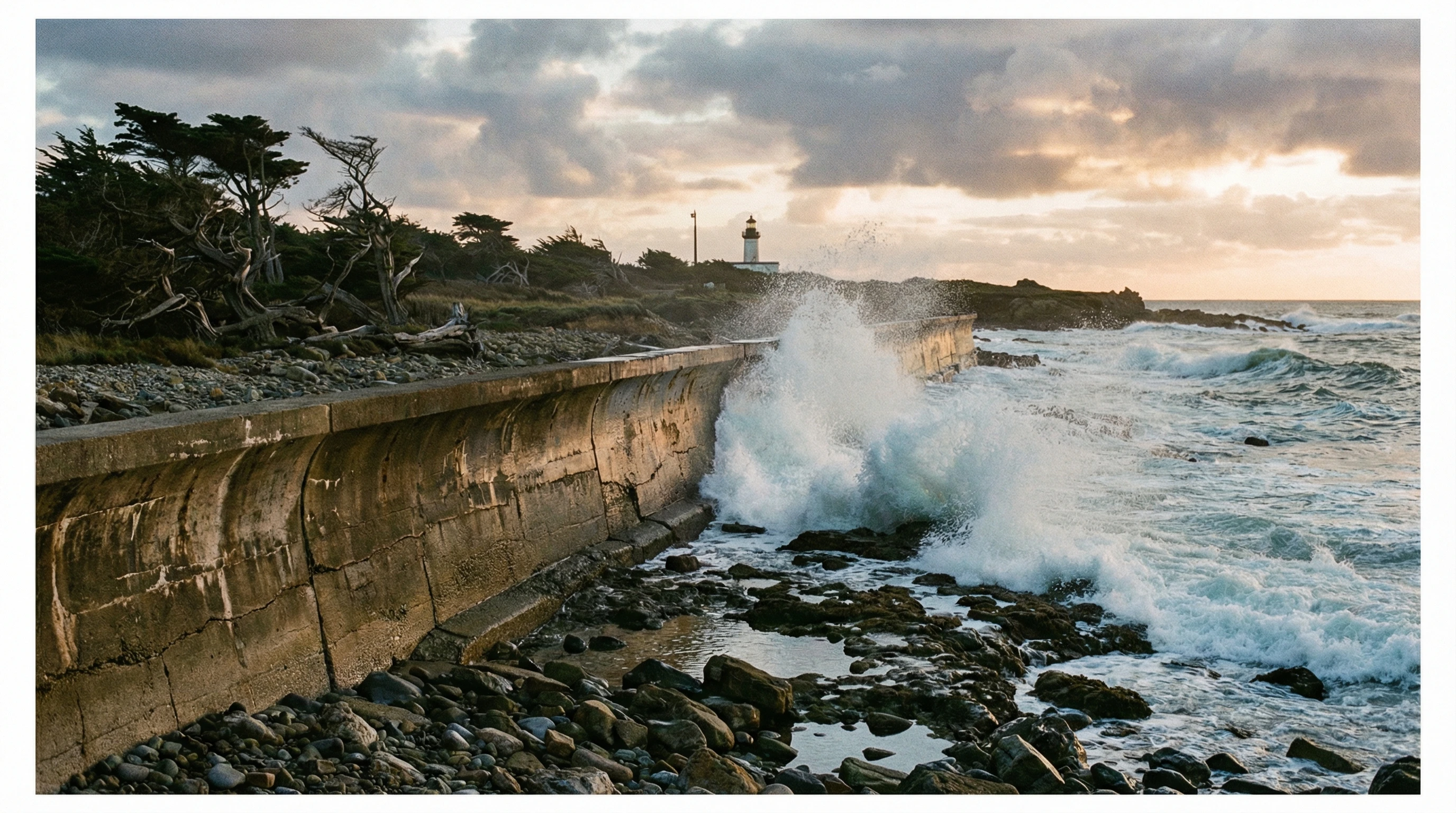
Why People Build Seawalls (and Where Problems Start)
The main goal of a seawall is to defend coastal properties from rising tides, storm surges, and land erosion. This sounds pretty handy, especially if your home or business is close to the water. Seawalls have been a traditional fix for centuries. Over time, though, experts and local residents have noticed side effects that can be hard to ignore. From hidden financial costs to environmental headaches, these structures can create bigger problems than they solve in some situations.
Seawalls come in all shapes and sizes, including concrete, rock, steel, or timber, but their purpose is about creating a hard protective edge. This hard edge interrupts the natural flow of water and sediment, which can ripple out to cause a lot of unexpected changes. Let’s start breaking down some of the key disadvantages you should know about.
The Top 10 Disadvantages of Seawalls
- High Construction and Maintenance Costs
Building a seawall is far from cheap. Labor, raw materials, and complicated engineering add up quickly. Even after it’s built, regular inspections and repairs are needed to keep the seawall in working condition. Storm damage, erosion behind the wall, or even just normal wear and tear can mean more ongoing costs. - Beach Narrowing and Loss
While a seawall might save the land behind it, the beach out front often suffers. Waves hit the hard wall and bounce back, taking sand with them. Over time, this can shrink or completely wipe out the beach, which is a big deal for both wildlife and people who use it for recreation. - Disturbance to Natural Sand Movement
Coastal areas rely on the regular movement of sand, carried by waves and currents, to maintain healthy shorelines. Seawalls disrupt this process, leading to beach erosion nearby or “downdrift” from the wall. The sand isn’t replaced as it should be, and these areas can erode much faster than before. - Negative Impact on Coastal Habitats
Many coastal animals and plants depend on the area where the land meets the water. Seawalls wipe out or fragment these habitats, displacing birds, turtles, fish, and other species that use dunes, marshes, or upper beaches as nesting or feeding grounds. - Undermining and Overtopping Risks
Instead of absorbing wave energy, seawalls reflect it, causing strong downward forces at their base. This can lead to undermining, where the wall’s foundation is eroded away over time. If storm waves or high tides are fierce enough, water may also just splash over the top, making the wall much less useful in actual storm events. - Encouragement of Coastal Squeeze
“Coastal squeeze” is a term used when rising sea levels press the shoreline up against a hard barrier, like a seawall. Since the wall prevents natural landward movement of beaches and wetlands, these habitats become squeezed out of existence, leading to a loss of buffering zones that help absorb storm impacts. - Restricted Public Access and Loss of Scenic Value
Seawalls often block natural access routes to the beach, and their industrial look can diminish the visual appeal of a coastline. This can impact tourism, limit recreational opportunities, and reduce the connection locals feel to the shore. - Reflection and Amplification of Wave Energy
With nothing to absorb the waves, the energy doesn’t just disappear. It often bounces outward and scours the sea floor or nearby beaches. This can make coastal erosion even worse right in front of or next to the wall. - Short-Term Solution with a Limited Lifespan
Seawalls don’t last forever. Most need major repairs or total replacement after a few decades. As sea levels rise and storms become stronger, even well-built walls face more frequent issues, making them only a temporary fix in the face of climate change. - Potential for Switching Problems Elsewhere
Putting a seawall in one spot doesn’t erase erosion, it just sends it further down the shore. Neighboring properties or natural areas not protected by seawalls can see a spike in erosion rates after a wall is built up the coast.
Extra Considerations If You’re Thinking about Seawalls
With these disadvantages in mind, it’s worth looking at a few more things before you decide on a seawall, or if you’re just observing what’s happening in your local area. There are plenty of factors beyond the upfront costs and construction.
- Permitting and Legal Hurdles: Many places now have tighter regulations around seawall construction because of their environmental impacts. Getting a permit might take longer than expected, and you’ll likely need to check in with both engineers and environmental experts. Inspections and compliance checks can add extra time and money to the process.
- Alternatives to Seawalls: Solutions like living shorelines, dune restoration, or breakwaters can create a better balance between human needs and a healthy coastal ecosystem. These “softer” approaches use natural materials and processes to reduce erosion and help maintain beaches. For example, building up natural dunes or planting marsh vegetation can slow waves and trap sand, preserving more habitat and keeping flood risk lower over time.
- Community and Social Impacts: A seawall might keep a single property safe, but the effects on neighbors, public spaces, and local wildlife are tough to ignore. Community involvement and a broader perspective help avoid choices that benefit one area at the expense of everyone else. It’s a good idea to talk to residents, local governments, and environmental groups so everyone’s concerns are heard up front. In some communities, these projects have sparked thoughtful debate about whose properties should be protected and how to maintain public beach access for all.
Understanding Sediment Transport and Erosion
When I first started digging into coastal engineering, it amazed me how a wall built to stop erosion can actually make nearby erosion worse. On open coasts, waves naturally move sand up and down the shoreline in a constant balancing act. Seawalls mess with that routine, creating erosion hotspots and sometimes even causing the beach to disappear in front of them entirely. Local landscapes can change surprisingly fast, and natural systems are often better at adjusting to those changes if hard barriers stay out of the way. This doesn’t mean every shoreline can be left untouched, but knowing the needs of local ecosystems and natural processes helps make smarter choices about how and where to build protective structures.
Experts have tracked down connections between hard barriers like seawalls and rapid changes in dune formation, tidal pools, and coastal plants within just a few years of installation. If you watch a renovated section of coastline over time, the way sand shifts along the shore and how the land responds to big storms can provide clues to what works best where you live.
Environmental and Economic Impacts on Local Communities
The cost of losing beaches and habitats isn’t always measured in dollars, but it can really hit local economies. Beaches draw visitors, support fisheries, and provide room for storms to play out safely. Seawalls can move these benefits out of reach. Even in places where protecting property is the top concern, it’s super important to look at the long-term costs and compare them with the loss of local resources and tourism dollars. Once recreation, fishing, and wildlife habitats are harmed or lost, entire communities may see fewer visitors and less economic activity. It’s a strong reason to look closely at both the tangible and less obvious costs and benefits when planning for shoreline defense.
Seawalls in Real Life: A Closer Look
Living in a coastal town for over a decade, I’ve seen how seawalls change the shoreline year after year. At first, the new wall draws attention, bringing fresh concrete, strong lines, and relief that flooding will be less likely this storm season. A few years down the line, though, the beach is noticeably thinner, and the next block over is fighting more aggressive waves. People start talking about how tides just seem higher, and some wildlife, like sandpipers or crabs, aren’t seen as often as they used to be. That changes the entire ecosystem and mood of the area.
It’s a classic example of what can happen when solutions are quick but don’t account for big-picture effects. Paying attention to all the ways a seawall can change a place makes it easier to make decisions that keep both property and local environments in mind for the long haul. Working together as a community and being open to a mix of solutions can bring more lasting results and stronger coastal resilience over time.
Frequently Asked Questions
Are seawalls the only way to protect coastal property?
Not at all. Other options include living shorelines, rock revetments, offshore breakwaters, and dune restoration. Each has pros and cons, and often a combination gives the best results for safety and environmental balance.
Why do beaches tend to disappear in front of seawalls?
The waves that hit seawalls reflect back with more force, pulling sand offshore. Plus, natural sand movement along the coast gets blocked, so the beach isn’t “replenished” as it normally would be.
Can seawalls increase flooding behind them?
In some cases, yes. If water regularly goes over the wall, or if drainage around the base isn’t managed well, flooding behind the wall can actually become worse than before.
What is a living shoreline?
It’s a shoreline management approach that uses plants, sand, and sometimes small structures to reinforce the land, helping control erosion while keeping habitats healthy.
Final Thoughts
Knowing about the potential downsides of seawalls can save a lot of disappointment and surprise. Everyone loves a solid defense against storms, but it’s really important to keep the long-term health of beaches, habitats, and communities in mind. Exploring new shoreline management methods or combining a few different tools often gets better results over time, for people and the planet alike. A bit of planning, community effort, and learning from past projects helps create a coastline that works for both nature and people who call it home.