
Dredging plays a pretty big part in keeping waterways, ports, and reservoirs in good shape. Whenever you’re out by a river, canal, or harbor, there’s a fair chance that careful dredging has helped keep things running smoothly. Even though it doesn’t always grab headlines, it’s a practice that keeps everything from commercial shipping to city drinking water moving without hiccups. Here, I’m walking you through why dredging matters, what the basics look like, and how it shapes both the environment and our everyday lives.
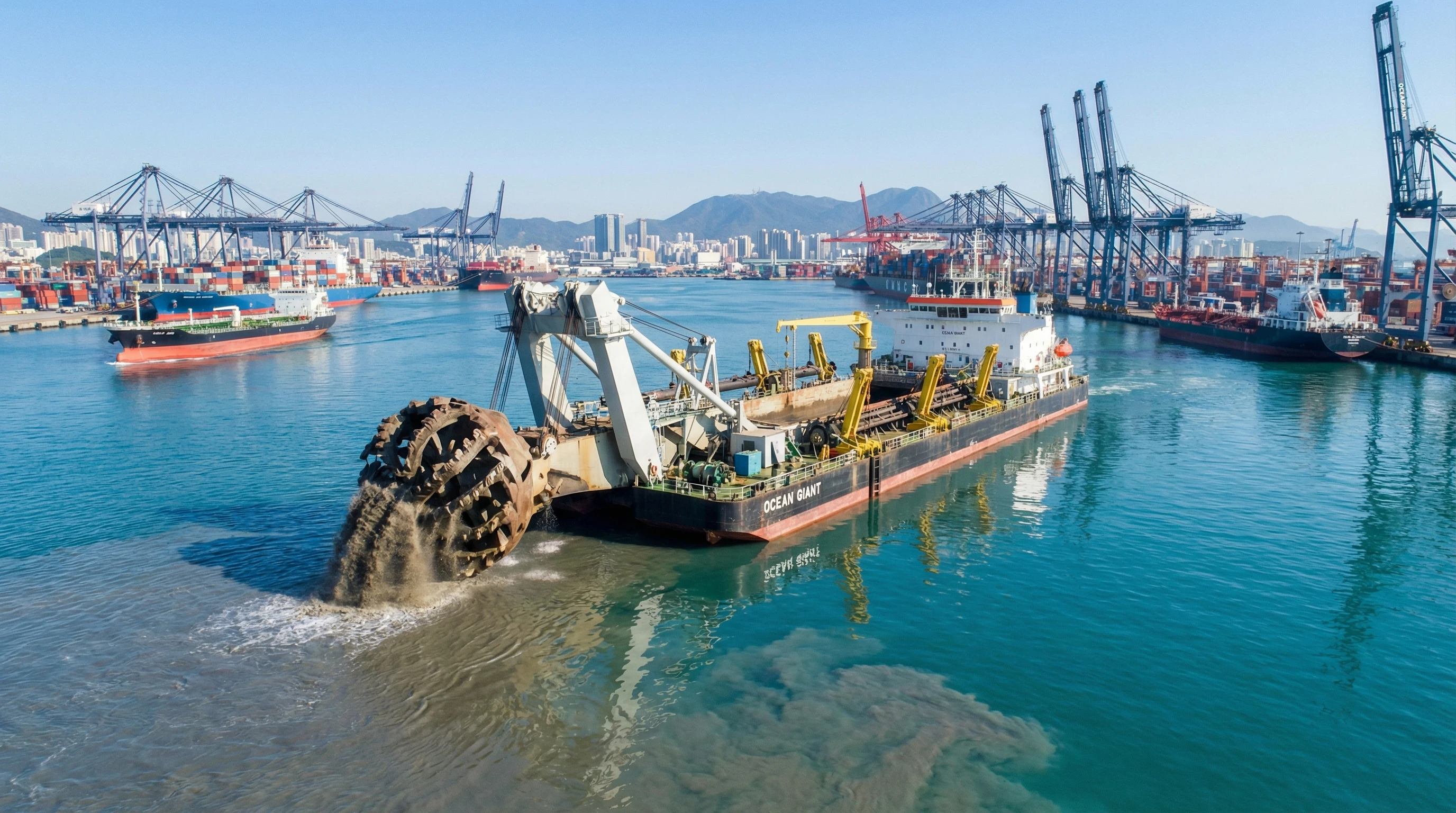
Understanding Dredging: The Core Idea
Dredging means scooping or sucking up sediment, sand, gravel, sludge, or debris from the bottom of bodies of water. It’s a technique that’s been around for centuries; it traces back to ancient river civilizations that needed clear, deep channels for safe boat travel and irrigation. These days, it’s a routine maintenance job in both natural and artificial waterways worldwide.
There are two main goals here: making sure ships, boats, and barges have enough depth to travel safely, and removing built-up gunk that could clog up water flow or even impact water quality. With global trade relying on busy ports and rivers, you can see why crews keep their eyes on sediment buildup. Dredging crews track down trouble spots before they cause bigger headaches, so there’s a real benefit to this kind of ongoing work for world trade and local communities.
Why Dredging Is Vital to Waterway Maintenance
If you stand by a busy shipping port or a smalltown marina, chances are the waterway is deeper than it would be naturally. Sediment settles over time, narrowing and shallowing the channel. Here’s where regular dredging makes all the difference; without it, commercial ships could get stuck, small boats might not reach their docks, and even city storm drainage could get blocked. Just to put it plainly, dredging helps avoid traffic jams on the water and helps cities prevent unexpected flooding after storms.
But it’s not just about transportation. Dredging is used for:
- Flood control: Digging out rivers or reservoirs increases their capacity to handle storm surges or meltwater in heavy rains. Clearing out builtup debris also helps water flow better, keeping low-lying areas drier during seasonal storms.
- Habitat restoration: Sometimes, returning an area to its natural depth or clearing invasive mud helps fish, birds, and plants come back or thrive. Restored marshes bring in wildlife and can even help absorb wave energy from storms.
- Water supply maintenance: Reservoirs fill with silt over the years. Dredging keeps them deep enough to store water and avoids contamination. Every so often, cities will plan to remove silt that could cut water supply during dry months.
Some experts estimate that ports worldwide handle almost 11 billion tons of cargo every year, and much of that depends on clear, dredged harbors. If channels become blocked or shallow, it slows everything down, from global ship traffic to a fisherman’s daily route.
Dredging Techniques and Equipment You’ll See
There’s more than one way to approach dredging, depending on what needs to be removed and where it’s happening. Here’s a quick breakdown of the common types:
- Mechanical dredging: Big scoops or buckets, often mounted on barges or cranes, are used to dig up and lift material from the bottom. These powerful machines remove compacted or heavy materials with brute force.
- Hydraulic dredging: Also called suction dredging, this uses pumps and pipes to vacuum up mud and water, which is sent to a disposal site. Hydraulic methods work well when you’re clearing softer sediment or sand and can move lots of material at once.
- Specialty dredging: Some situations use smaller, more precise machines for fragile or narrow areas, like canals through old cities or restoration in a marsh. Sometimes, remote-controlled or even autonomous machines are deployed to manage delicate spots.
Each of these tools has its trade-offs. Big mechanical dredges can move huge amounts quickly, but can stir up a mess if you don’t plan with care. Suction dredges work well for finer silt and mud, which is common in river deltas or slow moving lakes.
Getting Started: Planning and Challenges in Dredging Work
Dredging isn’t just about firing up a machine and hauling dirt. Proper prep work is really important. Crews first need to:
- Survey the location to see how deep the mud or debris has piled up and spot hidden obstacles that could slow down equipment.
- Test sediment for pollution or hazardous material; sometimes what’s on the bottom isn’t safe to dig up without special care.
- Check local wildlife schedules, like spawning seasons, to minimize the impact on fish and birds. Teams also keep an eye out for rare or protected species.
I’ve read about docks that faced unexpected delays just because teams found out the mud was contaminated with heavy metals. That meant they had to treat and dispose of it very differently than regular sand. Extra tests and meetings with regulators resulted in weeks of careful planning before shovels even hit the water.
Another common challenge is timing, because some areas fill up with silt after every big rain. Maintenance dredging becomes a regular event, almost like a city cleaning its streets after a storm. Sometimes, projects get pushed back if water levels run high, or if unexpected weather rolls in and impacts safety.
Environmental Concerns and Best Practices
Dredging changes the bottom of a river or harbor, and that means it always comes with some risks to ecosystems. If sediment gets stirred up too much, it can cloud the water or move pollutants. Plus, if not handled well, it can hurt fish, plants, or even protected bird nesting areas. Being mindful of the habitats, teams also make use of technology and natural barriers to help limit any negative effect.
However, with careful planning and modern gear, most projects now use barriers to keep suspended mud from floating downstream and time their work for seasons when wildlife is less likely to get disrupted. Sometimes, in partnership with environmental groups, the dredged material is even used to build up eroded wetlands, create bird habitats, or help rebuild beaches that have seen years of storm damage.
Agencies like the U.S. Army Corps of Engineers and local environmental organizations keep a close watch and set plenty of guidelines for how, when, and where dredging should take place (see more at the US Army Corps of Engineers). Local governments might work in tandem with these agencies to track any impacts on wildlife or water quality after projects finish. Keeping an eye out for endangered species or rare plant communities is part of the plan.
How Dredged Material Gets Used or Disposed
What happens to all the mud and sand that gets removed? It’s a good question. Sometimes, it heads to special disposal sites far from sensitive habitats, especially if it’s contaminated. In other cases, this material finds a second life:
- Beach nourishment: Dredged sand is often perfect for rebuilding eroded coastlines. Coastal areas struggling with erosion welcome this new sand, which serves as a buffer against future storms.
- Wetland restoration: Crews can use the soil to create new marshland or reinforce old ones, giving birds and fish new places to thrive. Over time, this can also boost the natural filtration of rivers as plants grow back.
- Upland disposal: If the sediment is clean, it might be used for landscaping, construction, or other projects further inland. Towns sometimes use this material to create walking paths or repair levees.
I’ve seen some towns transform dredged material into new recreational parks or walking trails; it’s a win-win when waste finds a fresh purpose. Reusing suitable materials keeps costs down and waste out of landfills.
Common Questions About Dredging Maintenance
People sometimes have questions about who decides when dredging happens, how often it’s needed, or what the long-term impacts are. Here are a few handy answers to clear things up:
Question: How often do waterways need dredging?
Answer: It varies a lot. Some busy shipping channels might need annual work, while smaller lakes or marinas can go years between projects. Local sediment flow, storms, and human activity all play a part. For example, a flood-prone area could require much more frequent attention than a quiet mountain lake.
Question: Is dredging safe for wildlife?
Answer: When done right, the impact can be kept low. Projects plan around animal life cycles and use barriers or silt curtains to contain disturbance. There’s always some risk, but modern guidelines are designed to keep it in check so habitats have the best possible chance to recover quickly.
Question: Who pays for dredging?
Answer: Costs are often shared between federal, state, and local governments (in the US, for example), but sometimes private businesses with a stake, like a port authority or marina, chip in as well. Funding can come through a mix of special taxes, grants, and business partnerships.
Question: Can dredged sediment be reused?
Answer: Absolutely! As long as it isn’t contaminated, it’s often used for beach restoration, construction fill, or land reclamation. Careful testing is what allows it to be put to new uses safely, helping build everything from roads to playing fields.
Everyday Examples: Where Dredging Makes a Difference
It’s easy to overlook dredging unless you spend much time around ports or rivers, but plenty of everyday trades and towns benefit from it:
- Shipping ports: Keeping these harbors deep enough means huge cargo ships can keep supplies coming and going without delay. The economic impact on local communities can be massive when shipping lanes are clear.
- Inland lakes: Cities use reservoir dredging to make sure everyone’s taps keep flowing during dry seasons. When storage is up, water shortages are far less likely.
- Flood prone towns: After storms, clearing out silted up creeks and drains helps prevent flooded basements and streets. This also reduces emergency repair costs for cities after heavy rainfall.
In a real-world scenario, think of a hurricane washing sediment downstream, clogging a harbor, and stopping cargo ships from reaching port. Only fast, effective dredging can get things moving again, which keeps jobs, food supplies, and exports steady. Without this quick response, businesses and families alike would feel the pressure.
Dredging’s Role in a Changing World
As climates switch up and coastal development rises, more rivers and waterways find themselves clogged or changing course faster than before. Regular dredging is one practical way societies deal with bigger storms, rising tides, and shifting silt. New tech, like GPS guided equipment and real time water monitoring, is making dredging more accurate than ever, helping crews avoid damage and cut costs. Innovations like real time sensors and advanced mapping software allow teams to spot clogged areas and work more efficiently, with less disruption to the local habitat.
Staying on top of dredging isn’t just a routine job; it keeps cities safer, shipping running, and ecosystems balanced. Next time you see a barge or backhoe out on the water, it’s worth remembering the intense planning, teamwork, and science that go into every dredging job. For many places, it’s a maintenance routine that makes life a lot easier, even if hardly anyone notices when it’s working as it should. The next stage of dredging will rely on cleaner methods and smarter technology, continuing a centuries-long tradition of keeping our waterways open and our communities safer.