
Ecofriendly seawalls are changing the game for shoreline restoration, and I’m seeing more folks ask about green solutions that actually last. Whether your shoreline is suffering from relentless waves, large boat wakes, or the slow creep of erosion, there are now smarter, nature based seawall options that support both a healthy environment and long term stability. I’m excited to share the main types of ecofriendly seawalls, what to expect with each, and some real world tips from my own experience.
Why Ecofriendly Seawalls Are Worth Considering
Traditional seawalls built from concrete or steel can make things worse over time. They reflect wave energy, worsen erosion further down the coast, and even cut off habitats for fish and critters. If you’re dealing with a crumbling old bulkhead or looking for a first time solution, ecofriendly seawalls are worth checking out because they often blend into the natural environment better and offer benefits to both property owners and local ecosystems.
Ecofriendly seawalls use materials and designs that work with natural forces instead of fighting them, including things like plants, wood, coir (which is coconut fiber), and recycled plastics. Some options also include hybrid designs that combine elements of both traditional seawalls and nature based strategies. Recent research from NOAA shows that living shorelines can stabilize banks as effectively as concrete walls while supporting more wildlife and better water quality (NOAA Living Shorelines).
Choosing The Right Ecofriendly Seawall: Main Types Explained
I’ve spent a lot of time comparing seawall options for both lakefront and coastal properties. The best choice often depends on your location, shoreline type, and how much maintenance you’re open to. Here are the main ones you’ll see:
- Living Shorelines: Use native plants, sand, and sometimes rocks. They form a natural buffer, absorb wave energy, and provide habitat for birds, fish, and insects.
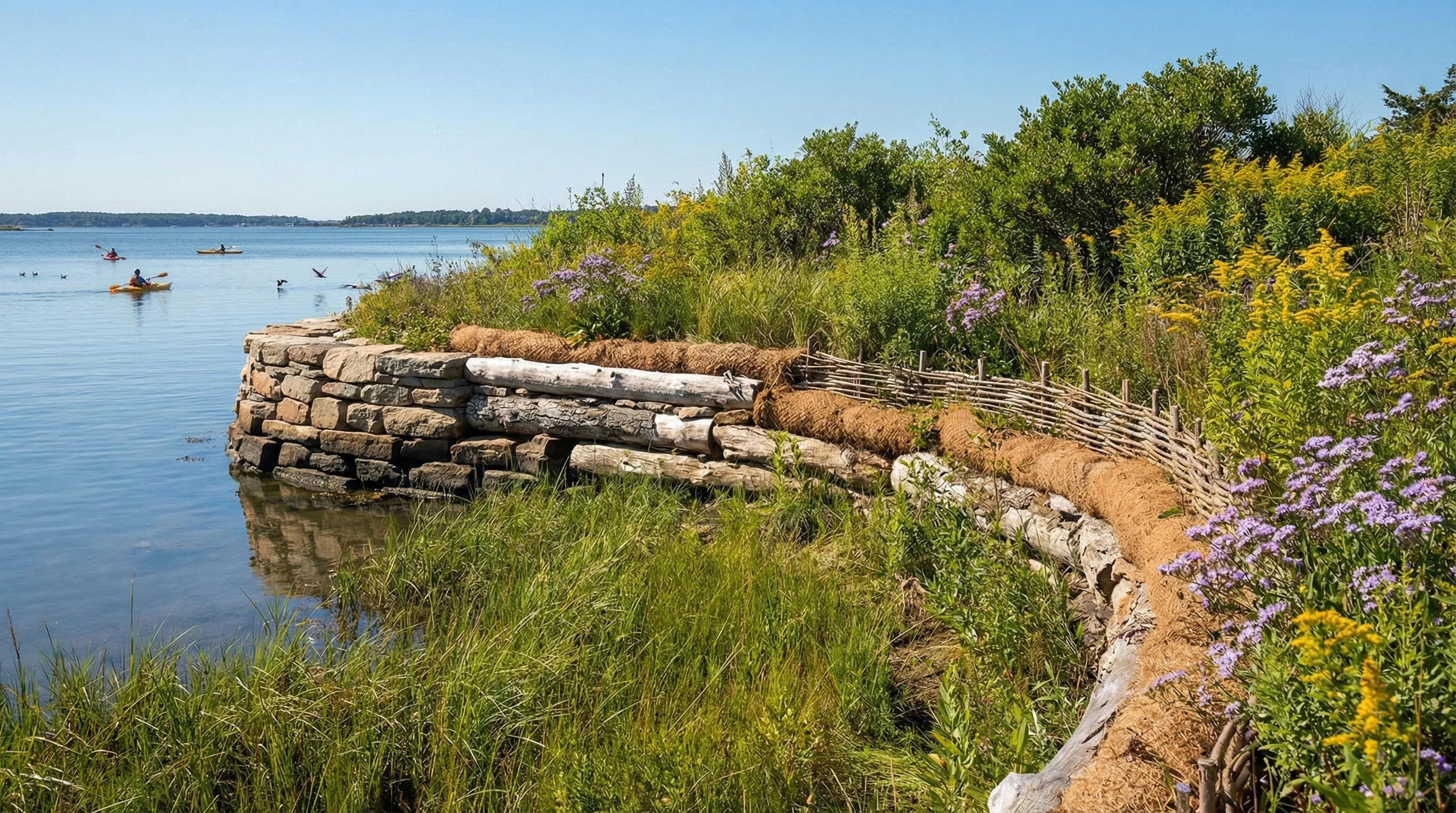
- Vegetated or Bioengineered Seawalls: Combine plantings with natural fiber rolls (like coir logs), biodegradable mats, or natural wood to stabilize slopes and prevent erosion.
- Recycled Plastic or Composite Seawalls: Made with recycled materials. They look similar to wood or concrete but last longer and don’t rust or rot.
- Hybrid Seawalls: Mix traditional hard materials (like lowprofile rock or concrete) with living plants or tidal pools. These help break up wave energy and offer wildlife habitat.
Getting Started With Shoreline Restoration Projects
Jumping into any shoreline project can feel a bit overwhelming, especially with ecofriendly approaches that require a bit of planning. Start with a shoreline assessment. Take a close look at erosion, soil type, tides, and currents. Local conservation groups or state extension offices often offer free or lowcost site visits, which are super helpful. I always recommend teaming up with a professional for design and permits, even if you want to tackle the actual work DIYstyle.
Ecofriendly seawalls sometimes need regular planting or maintenance at first, but they often require less longterm repair compared to traditional bulkheads. Here’s what you’ll typically need to consider:
- Permits: Most towns or counties require permits, even for green designs. Regulations are usually lighter for living shorelines, but it’s worth checking with your local environmental office.
- Installation Timeline: Some natural solutions can be installed in a matter of days and start working right away. Hybrid systems take a bit longer due to inspections and staging.
- Budget: Materials like coir and native plants are affordable, but labor and consulting costs can add up. The good news is that there are often grants or tax incentives for shoreline restoration (especially for living shoreline projects).
Great Ecofriendly Seawall Materials and Designs
There’s no one size fits all with seawalls, but here are some of the top options I’ve seen really shine in both busy coastal areas and quiet lake communities:
- Coir Logs and Fiber Rolls: These are super simple to install and do a good job holding slopes. They slowly biodegrade while plants grow through them, giving roots time to anchor the soil.
- Native Plant Buffer Zones: Planting marsh grass, rushes, or shrubs along the waterline helps hold soil and blocks runoff. Native species need less care and really boost local wildlife.
- Recycled Plastic Sheet Piling: This option is handy where space is tight. Made with recycled plastics, this piling won’t degrade like wood or leach toxins into the water. It can be installed just like olds chool bulkheads and then topped with plantings or stone for a natural look.
- Rock Sills or Lowprofile Revetments: These use sloped layers of rock or shell bags. They help break up wave energy so the shore behind them can support plants and not wash away.
- Oyster Reefs or Mussel Mats: Used mostly in saltwater, oyster reefs serve as a living barrier that filters water and creates habitat while buffering waves. They take a bit of patience to establish, but once they’re going, they last and self repair.
Common Challenges (And How to Tackle Them)
Switching from a classic concrete bulkhead to something greener can raise questions, so here are a few things I always keep in mind:
- Establishment Time: Living shorelines and plant based designs often take a season or two to look lush and stable. Mulching and temporary fences can help keep things in place while they establish.
- Maintenance: Most ecofriendly seawalls need a yearly checkup. Trimming plants, replacing washed out mulch, or replanting bare patches keeps things strong. Once established, they’re pretty low maintenance in my experience.
- Wave Energy: High energy sites sometimes need a hybrid design with stone or recycled plastic to handle storms. Consulting with a shoreline restoration expert helps design the right combo.
- Cost: Upfront costs can be higher for site analysis and design (especially for hybrids), but longterm upkeep tends to be less than concrete or steel walls that need frequent repairs.
Plant Survival and Growth
When I first tried a living shoreline, keeping plants from washing out was my big worry. Planting in late spring or early fall (when rains are lighter) and using jute netting to anchor new seedlings worked out really well. I always choose plants that are native to the local area. The roots go deep, and the wildlife benefits make it feel worthwhile.
Matching Materials to the Site
No two shorelines are identical. If your site gets battered by boat wakes or storms, go with well anchored stone sills or a plastic piling base and use native plantings behind them. Milder lake settings usually do great with just coir logs and layers of rushes and grasses. If you’re unsure, local extension agents or watershed councils are usually happy to give practical advice.
Advanced Methods to Give a Boost to Nature Based Seawalls
Once the basics are sorted, there are a few advanced tricks I keep in mind for making sure a green seawall does its job for years:
Switch In Some Plant Species: Mixing a few plant types boosts resilience against pests and storms. If one species struggles, the others will keep things in place.
Host Oyster Structures (Saltwater Only): If your spot gets brackish or salty water, simple oyster shell mats or reef balls can quickly build up a living breakwater that grows each year.
Add Woody Debris and Rocks: Mixing logs or sloped clusters of rocks creates microhabitats for frogs, herons, and crabs, plus adds extra holding power for the shore.
Monitor Evolving Needs: As the ecofriendly seawall matures, keep an eye on highstress spots after big storms. Adding new plant clusters or placing small rocks where erosion shows up can extend the life of the project.
Real World Uses for Ecofriendly Seawall Solutions
Ecofriendly seawalls help solve multiple problems at once. Here’s where they’re especially helpful:
- Residential Waterfronts: Blending in plant buffers makes backyards safer and offers space for kids and pets. Neighbors like that they look natural, and property values are often higher compared to concrete bulkheads.
- Public Parks: City and county parks are switching to living shorelines to reduce both erosion and mowing. They also attract songbirds and pollinators people love watching.
- Wildlife Habitat Projects: State and federal agencies now fund shorelines that provide breeding grounds for fish, turtles, or amphibians. Volunteers can help with plantings, making it a real community affair.
- Marinas and Small Ports: Many harbors now use hybrid seawalls that add both structural protection and green buffers, which cut down on erosion from boat wakes while improving water quality for shellfish and fish nurseries.
Frequently Asked Questions
I’ve pulled together answers to a few questions I hear all the time about green seawalls:
Question: How long do ecofriendly seawalls last?
Answer: Well-designed plant based and hybrid seawalls can last 20 years or more with basic upkeep. Recycled plastic and rock sills often last even longer with little attention.
Question: Can I install an ecofriendly seawall myself?
Answer: DIY is possible, especially with simple coir logs or plant buffer zones on gentle slopes. High energy shorelines or larger projects should be designed by pros to make sure they last and meet regulations.
Question: Are there funding or grants for shoreline restoration?
Answer: Yep, many state and federal agencies offer grants, especially for living shoreline projects that help fish or bird habitats. It’s worth checking with your local extension office or conservation district.
Question: How do ecofriendly seawalls impact local wildlife?
Answer: Unlike hard seawalls, nature based techniques let the shoreline stay connected to wetland habitats. This means fish, frogs, turtles, and birds get more space and food. Over time, the area becomes a small nature haven, especially when native plants are used.
Key Takeaways For A Greener, Safer Shoreline
Ecofriendly seawalls are practical choices for protecting property while supporting nature. Choosing the right materials, knowing your shoreline, and starting with a solid design makes all the difference. I’ve seen these approaches succeed with the right setup, patience, and a bit of local plant knowhow.
With more communities switching up to nature based designs, now’s a great time to explore options that look good, work better, and do right by the local ecosystem.