
Protecting your shoreline isn’t always about putting up a huge seawall. In fact, most homeowners and land managers want something more natural looking, costeffective, and less likely to disturb the ecosystem. There are plenty of options out there that work with nature, not against it. Here’s what I’ve learned about keeping shoreline erosion in check without having to rely on a concrete barrier.
Understanding Shoreline Erosion
Erosion is a slow but steady process where water, wind, ice, or even human activity chips away at the land along a water’s edge. If you’ve lived near a river, lake, or pond, you’ve probably seen this firsthand—banks slowly crumbling, trees leaning, and property lines shrinking. The good news is, you can do a lot to protect your shoreline by working with the natural flow of water and plants, instead of fighting it with hard barriers.
Natural shoreline protection does more than save soil. It also helps filter stormwater runoff, gives wildlife shelter, and keeps the view as natural as possible. The first step is figuring out what’s causing the erosion. Is it mostly from waves, boat wakes, rain runoff, or foot traffic?
Best Natural and Soft Engineering Options
I often recommend starting with the least intrusive methods and leveling up only if needed. Here’s a quick rundown of options that are pretty effective, and a lot friendlier to the local ecosystem than pouring concrete.
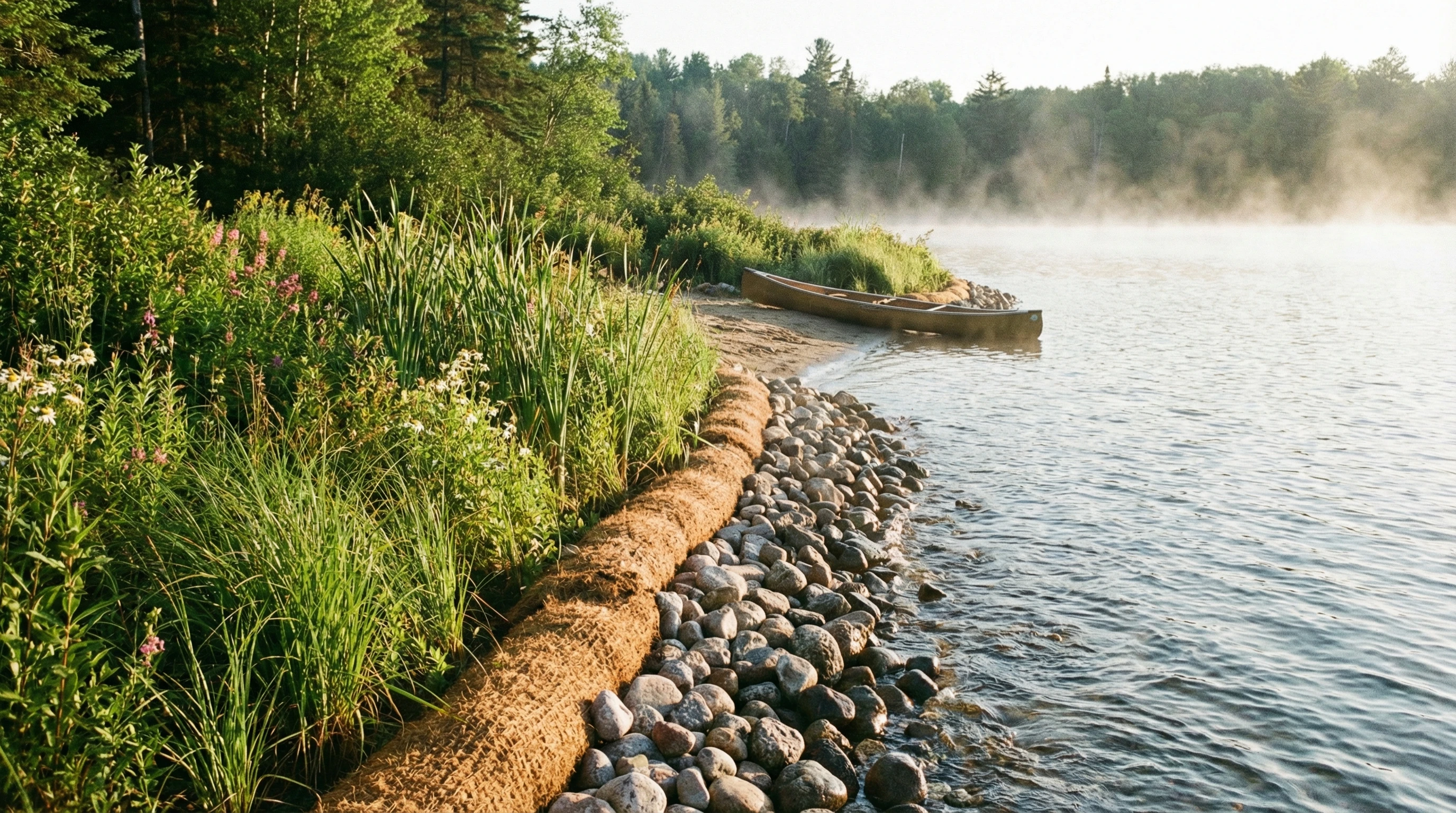
- Native Plant Buffers: Planting deeprooted native vegetation along your shoreline acts as a natural barrier. These plants not only hold the soil in place but also absorb wave energy. Grasses like switchgrass, wildflowers, willows, and sedges are solid choices depending on your location. Plus, these buffers can look pretty amazing in bloom.
- Coir Logs and Fiber Rolls: These biodegradable logs made from coconut fiber or jute are placed along the edge where erosion is worst. Coir logs slow down water, trap sediment, and provide a spot for native plants to root. Over time, as they break down, the vegetation takes over the job.
- Live Staking: For areas where water scours the bank, I’ve had great success with live staking. This means cutting branches from native shrubs such as willow or dogwood and planting them directly into the bank. These cuttings root fast and start stabilizing the soil pretty quickly.
- Brush Layering and Fascines: By laying bundles of sticks or brush parallel to the shoreline, sometimes even in trenches, you can build up layers of protection. These encourage sediment to settle and new plants to grow, giving you more stability over time.
- Rock Toe Protection: For places with strong wave action or flowing water, small, strategically placed rocks (not a wall) along the bottom of the slope can help absorb and diffuse energy. Mixing this with planted buffers often gives you the best of both worlds.
Combining planting, log barriers, and simple stone work usually gives you much better, longerlasting results than working with just one method. Many experts agree that using these methods together can prevent future problems and add value to your property by keeping landscapes intact and functional.
Getting Started With Shoreline Protection
Jumping into a shoreline project involves a bit of planning. Here’s a stepbystep game plan that’s worked well for me and probably will for you too:
- Assess the Erosion: Spot the places that are losing soil fastest and the likely causes. Sometimes you just need to redirect foot traffic away from vulnerable edges. Other times, the problem is waves or ice push.
- Talk to Local Experts: It’s super important to check if local conservation bodies or environmental agencies have guidelines. Some shorelines are protected, and you might need a permit.
- Choose Native Plants: Select species that are proven to grow in your region’s soil and climate. Many native plant nurseries offer shoreline mixes or can point you to what works best for your area. Doing some research at local extension offices can pay off in the long term.
- Install Fiber Logs or Brush Bars: If the bank is actively eroding, lay out coir logs or brush bundles parallel to the shoreline and secure them. These give young plants a better shot at surviving waves and runoff. You can add stakes for greater stability, especially in areas prone to high water or flooding.
- Monitor and Maintain: Like any garden, naturalized shorelines need a bit of care at first, especially through dry spells or heavy storms. Pull invasive weeds, replant bare spots, and make sure your bio logs stay anchored the first couple seasons. A few checkups each year will save you time later on.
Combining these steps builds shoreline stability over time, improves water quality, and creates better wildlife habitat. Remember that patience is key—the benefits grow every season.
Things Worth Considering Before You Start
Natural shoreline projects come with their own set of challenges. Knowing what you’re up against makes the process a lot smoother and helps you avoid setbacks down the line.
- Permitting: Projects near water usually need a checkin with your local government. Some places have strict rules to protect lakes, rivers, and wetlands, and it’s easier to ask up front than deal with fines. For added peace of mind, reach out to your local conservation authority.
- Choosing the Right Plants: Not all plants work for every location. Some may get eaten by wildlife, others may not survive repeated flooding, and some could be illegal invasives. Local extension offices or conservation groups are a great place to get advice and narrow your choices.
- Wave and Water Level Changes: Natural fixes work best where erosion isn’t too extreme. If you’ve got a spot with big seasonal water swings or heavy boat traffic, you might need to mix in some rock toes for extra staying power. Know your site’s typical water fluctuations before making decisions.
- Time to Establish: Natural fixes take patience. Plants need time (sometimes several growing seasons) to really lock in the soil. That means a little extra TLC at the start but way less work once things are established. The payoff is well worth the initial wait.
- Wildlife Impact: The right setup pulls in birds, frogs, and butterflies, which I personally think is a huge bonus. But remember, the wrong species can crowd out natives, so double check what you’re planting to keep your project ecofriendly.
Permitting and Local Regulations
Almost every area with a natural shoreline will be regulated in some way, especially around lakes, rivers, or coastal spots. I usually suggest checking with your local environmental agency or conservation authority before starting. They’ll tell you if permits are needed, what’s allowed, and can often suggest resources for plant selection.
Choosing Effective Plant Species
Pick deeprooted, native species adapted to your soil type and water levels. Favorites include willows, sedges, rushes, and some grasses, but it really pays to visit a nearby undisturbed shoreline to see what works naturally. Avoid popular landscaping species not adapted to wet feet, like some types of turf or ornamental shrubbery. Consider shrubs that develop dense root mats and can handle occasional flooding.
Advanced Tips to Give a Boost to Your Shoreline Protection
Once you’ve nailed the basics and your plants have taken hold, there are extra steps that can help give a boost to the protection, and the appearance, of your shoreline.
Incorporate Floating Wetlands: For ponds and slowmoving water, floating islands of vegetation help control bank erosion and filter runoff. These are available as readymade mats or can be DIY’d with native plant plugs. These wetlands aren’t just functional; they’re also nextlevel cool and add another layer of beauty to your property.
Install Rock Vanes or Revetments: If you’ve got strong current, placing low, angled rock structures partway into the water deflects some energy away from the bank. When mixed with plantings, these work quietly in the background and aren’t very noticeable, so they won’t disrupt your view.
Reduce Direct Runoff: Redirect gutters, paths, and downspouts so they don’t pour directly onto the shoreline. Slowing water with rain gardens or swales above the bank keeps soil from washing away after heavy rain. Consider planting rain gardens uphill, which also add habitat and eye catching color.
Little upgrades like adding more plant variety or using erosion control blankets on steep spots go a long way in strengthening a shoreline over time. These practical touches add resilience and keep your project looking tidy.
RealWorld Examples Where Natural Shoreline Protection Shines
I’ve seen natural approaches work just about everywhere, from simple backyard ponds to big lakeside parks. Here are some common perks I’ve seen firsthand:
- Improved Water Quality: Dense root networks filter fertilizer and runoff before it hits the water, making lakes and rivers cleaner and safer for swimming or fishing.
- Better Habitat: Birds, turtles, pollinators, and even fish use natural shorelines for shelter and food. This kind of landscaping does double duty for property owners who care about wildlife.
- Lower Long Term Maintenance: Once plants get established, they require very little mowing, watering, or fertilizer. That means less time working, and more time enjoying the view. Over years, you’ll see cost savings and a fuller looking shoreline.
Frequently Asked Questions
Question: What can I do if my shoreline is already badly eroded?
Answer: If you’re dealing with severe erosion, try a combination of coir logs, brush layering, and tough native plant plugs. Some situations might call for professional help, especially if your structures or utilities are threatened. Early action gives you more options and can head off expensive repairs.
Question: Can natural shoreline solutions work as quickly as a seawall?
Answer: Natural shorelines take longer up front, usually a couple of seasons, but provide stronger, more flexible protection over time and avoid most repair costs linked to seawalls. Give your project a couple of growing seasons, and you’ll see the results start to build up.
Question: Are native plants really better than regular garden plants for shorelines?
Answer: Native species have deeper roots and are adapted to cycling wet and dry conditions, making them way better at holding soil in place and surviving storms. They need less maintenance in the long run, which is a big advantage for busy homeowners.
Final Thoughts
Keeping your shoreline stable doesn’t have to mean building a concrete seawall or giving up on having a natural, beautiful view. With a mix of native plants, biodegradable barriers, and smart runoff control, you can enjoy a healthy shoreline that’s attractive, wildlifefriendly, and resilient for years to come. It’s worth checking out local examples, connecting with neighbors, or getting advice from natural shoreline projects in your area. The upfront work pays off in a landscape you’ll love for the long haul. And remember, nature has been handling shoreline management far longer than we have—sometimes working with the land instead of against it really is the best approach.