
Shoreline armoring, like seawalls, bulkheads, and riprap, is now a regular feature along coasts dealing with erosion. For those with waterfront homes, deciding to build these barriers seems like the only way to guard against threats from rising seas and harsh storms. But as climate change ramps up coastal erosion and damage, the financial and environmental downsides of hard shorelines are coming into focus. The question of who foots the bill—individual homeowners or public agencies—keeps popping up and adds fuel to the ongoing debate about our coasts. Let’s check out why this issue matters and what property owners and communities need to weigh when deciding their next move.
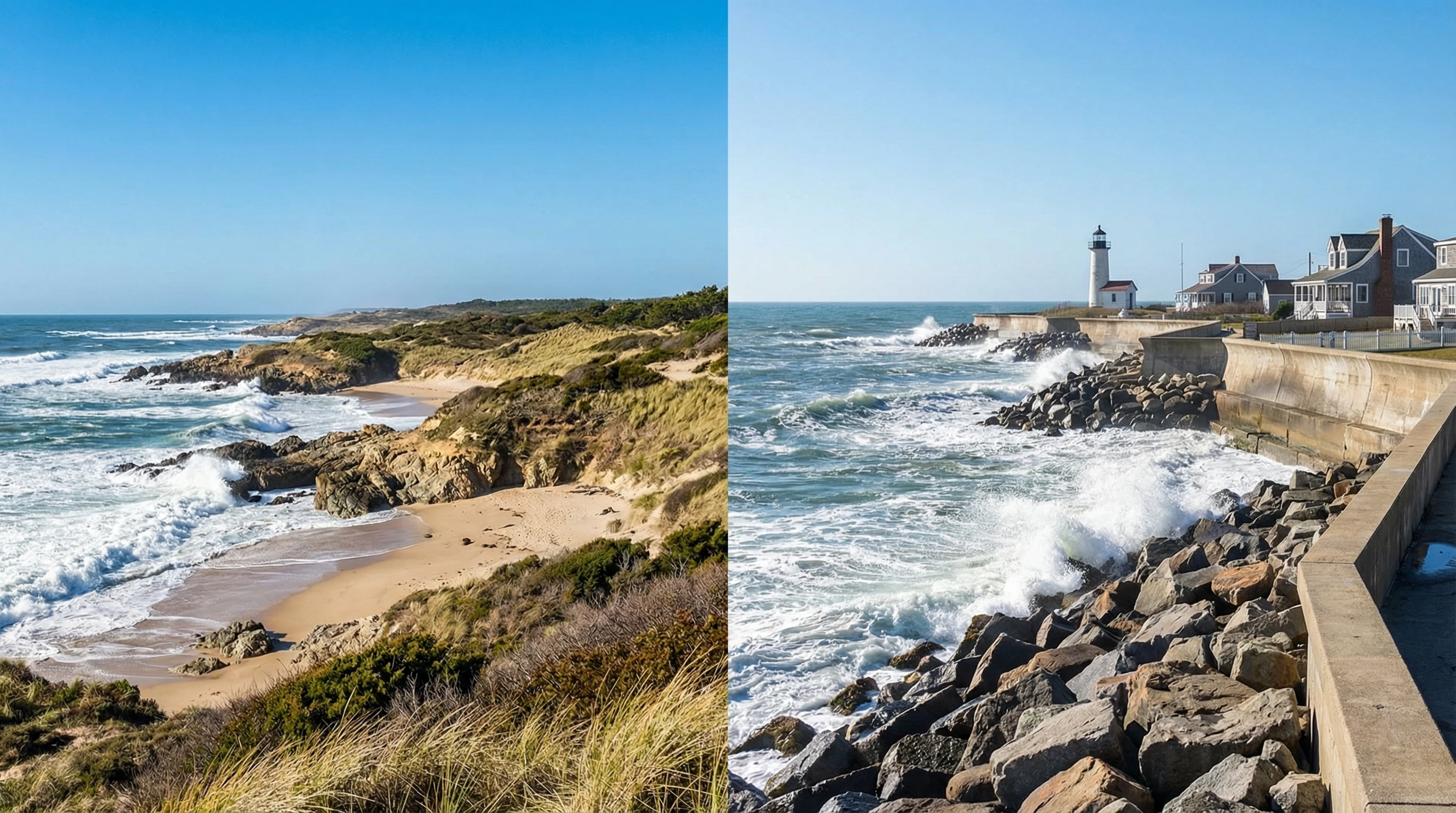
Understanding Shoreline Armoring
Shoreline armoring means building hard structures to protect land and nearby buildings from erosion caused by waves and tides. These barriers might temporarily stop the loss of soil and property, but they come with tradeoffs. While homeowners see these barriers as critical for securing their assets and peace of mind, scientists and coastal communities worry about the impact on beaches, habitats, and the delicate balance of shoreline processes.
The U.S. Geological Survey notes that tens of thousands of miles of U.S. shoreline have already been armored in some way. With sea levels climbing, more property owners want to put protection in place. Yet these projects range from a few thousand to over a million dollars to build. Should the person who benefits most be the one to pay, or is this a collective problem? If you want more info, check out NOAA’s overview.
Why Property Owners Turn to Shoreline Armoring
Nobody wants to see their backyard, home, or long-term investment get washed away. Shoreline armoring feels like a safe bet to keep their property and savings intact. For folks who have worked their whole lives for a waterfront spot or whose work depends on the land, the desire for quick security is real. Owners often handle the steep costs and tricky logistics to put these defenses in place, knowing they’re acting out of necessity.
Insurance rarely protects against erosion. Local permits can be tough to get, and the rules can be strict, but when your property is on the line, that urgency often pushes people to break ground. Since public funds don’t usually stretch to private lots, owners usually pay on their own when the clock is ticking.
The Broader Impact of Shoreline Armoring
There’s a catch: while shoreline armoring may hold the line for one property, it can lead to worse erosion next door—a ripple effect known as “coastal squeeze.” Public beach spaces shrink, neighborhood access gets cut off, and fragile ecosystems can be lost. Natural buffer zones—marshes, dunes, and tide flats—absorb wave energy and change with the seasons. Armoring interrupts those patterns, squeezing wildlife and making beaches steeper and less stable.
What starts as a private project can snowball into changes for an entire area. Because of this, some local leaders and coastal researchers push back on hardening the shore and instead suggest living shorelines, sand replenishment, or backing away from the coast. These alternatives try to slow erosion and keep shorelines healthy, while still giving owners some tools to manage risk and keep beaches open for everyone.
Arguments in Favor of Property Owners Paying
Many believe property owners should pay for their own shoreline protection. Here’s why:
- Direct Benefit: Since only the private owner reaps the reward, it feels fair for them to cover the costs themselves.
- Risk Awareness: If you’re buying right on the water, you probably know some erosion or flooding risk comes with the view.
- Control: When owners handle the expenses, they get to pick what works for them without waiting for slow-moving public fixes.
In some places, cities or counties require property owners to keep up seawalls and bulkheads at their own expense, leaving public money for solutions that help bigger groups. This can also discourage risky building in places where floods or erosion are most likely to do damage. Read more about this angle through the Nature Conservancy’s insights.
The Case for Spreading the Cost
However, others argue that shoreline issues cross property lines. The reasons folks back sharing costs or using public funds include these points:
- Community Impact: Losing a stretch of shoreline hurts tourism, business, emergency access, and public recreational areas. One weak spot can mean big trouble for the whole community.
- Equity Concerns: High costs can drive out longtime residents who can’t keep up, and that changes the face of coastal towns.
- Public Priorities: When shared resources like roads or wastewater systems are at risk, joint funding can help protect everyone and keep crucial services running.
This method usually means raising funds through local taxes or coastal programs that pull together money from many sources. Public proposals may even offer buyouts for properties in known danger zones—a way to encourage retreat and restore natural buffers, rather than walling off the water inch by inch. These programs spark big debates, but more and more cities are testing them as climate worries grow.
Alternatives to Hard Shoreline Armoring
If hard armoring isn’t the answer, what else can you try? Here are three standout alternatives:
- Living Shorelines: Mixing native plants, sand, and natural reefs builds up the shore and softens wave energy, while creating homes for wildlife.
- Beach Nourishment: Adding extra sand from offshore (or elsewhere) to rebuild beaches and absorb waves. It can be pricey and needs repeating, but people and nature both benefit.
- Relocation and Managed Retreat: Supporting homeowners financially so they can move away from risky areas. This gives up developed land but preserves open space and natural habitats in the long run.
Even though these ideas need upfront money and teamwork, they sometimes get public funding or grants—especially when the community stands to gain. Nature-based answers are becoming more popular among policymakers and homeowners alike.
Things to Consider Before Choosing Shoreline Armoring
If you own or are buying coastal property, don’t skip your homework. Here’s what you need to know before jumping into a shoreline protection project:
- Regulatory Hurdles: Expect plenty of rules at the local or state level. Permits take time and may cap what kind of structure you can build.
- LongTerm Costs: Repair and maintenance aren’t optional; expect expenses to keep piling up over time, which can turn a one-time fix into a real drain.
- Neighbors and Community: Whatever you build could change erosion nearby, which sometimes sparks disputes or pushes neighbors to armor too. Early conversations help avoid surprises.
- Environmental Impact: Any project that protects your lot should also try to keep harm to local habitats, wetlands, and shorelines to a minimum. You may stumble upon a smarter, greener solution if you look at all options.
Environmental Impact
Hard shoreline defenses often cost more than their price tag—they reshape habitats, block wildlife, and speed up changes to beaches. Turtles lose nesting access, birds and fish lose homes, and dunes can disappear. Carefully reviewing possible impacts and thinking about alternatives can give a boost to both people and local wildlife.
Legal Limits and Permitting
State and local laws may heavily limit certain kinds of shoreline development. Many places steer owners toward living shorelines or similar nature-based solutions. Figuring out the rules at the start keeps costs and headaches down. In some spots, you could even need to tear down new structures if they block paths or harm wildlife.
LongTerm Maintenance
Building a seawall is only the beginning; ongoing repair comes with the territory. Frequent storms and rising water levels can wear down even tough walls within years. Always budget for regular fixes to avoid bigger headaches later.
Frequently Asked Questions
Question: What’s the difference between public and private shoreline armoring?
Answer: Private armoring is paid for and managed by the property owner to protect their own land. Public armoring covers community spaces or infrastructure and typically comes from city or state budgets.
Question: Are there any grants or financial help for property owners?
Answer: Some states and localities offer programs for living shorelines or moving away from high-risk areas, though bulkhead or seawall grants are rare. Always check your regional agencies for new openings or assistance.
Question: Will new shoreline armoring affect my neighbors?
Answer: Often, yes. Water and wave energy go around new barriers, which can speed up erosion nearby. Honest discussions and a close look at the impacts should be part of any new project plan.
The Big Picture: Who Pays and Why It Matters
So, who should pay for armored shorelines? The answer depends on your location, the reach of the problem, and what you want for your community’s future. Sometimes, it makes sense for owners to handle the cost when only their land is at stake. Other times, when public benefit or environmental health are on the line, shared funding is the way to go. No matter what, the balance between private rights, group safety, and natural systems is something every coastal area needs to get right—especially as climate change sticks around.
Learning what works, speaking up at local meetings, and forming partnerships can all shape the future of coastline protection. Whether you live steps away from the surf, lead a local council, or just love visiting the beach, it pays to be alert when the tide starts to shift. Your choices today set the stage for safer shores, lasting neighborhoods, and coastlines that keep everyone coming back year after year.