
Building a dock often seems like a straightforward weekend project. Still, it can turn complicated if you rush or skip important steps. Whether your dock is floating, fixed, or modular, some mistakes keep turning up, and catching them early can save your wallet and your back. In this piece, I’m breaking down the blunders I’ve seen most often and offering practical tips for how to avoid them so your dock is sturdier, safer, and lasts much longer.
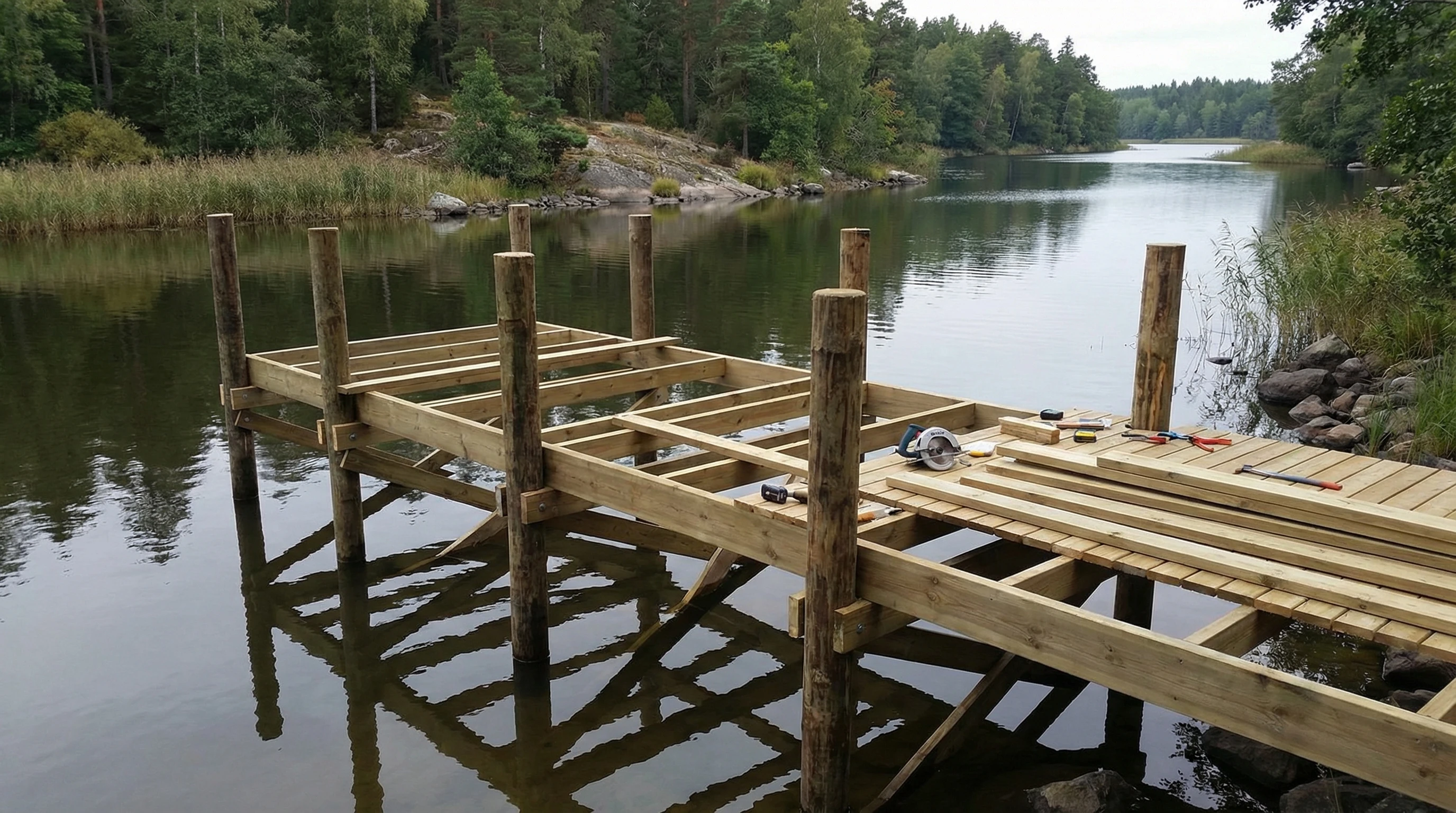
The Planning Phase: Where Most Mistakes Start
Most dock headaches start before you pick up a single tool. Rushing planning or ignoring groundwork steps is a recipe for future trouble. Here’s where folks often get tripped up:
- Ignoring Permits: Most local authorities require permits or sign-offs. Skipping this step can mean costly fines or having to dismantle your hard work.
- Not Checking Water Depth or Bottom Conditions: Planning without knowing the shoreline specifics—like shallow versus deep water or sandy compared to muddy bottoms—makes it likely you’ll end up with a dock that just doesn’t work or won’t stay put.
- Forgetting Environmental Impact: Failure to consider how your dock influences fish, local plants, or causes erosion can spark environmental problems or legal hurdles.
Designing Your Dock: Selecting the Wrong Type or Size
It’s tempting to jump into the design stage because you want to see your dock on the water as soon as possible. However, rushing here can cause years of frustration. Look out for these slip-ups:
- Choosing the Incorrect Dock Type: Floating docks work well in many places, but not everywhere. Likewise, fixed docks aren’t for every lake or river. Take into account tides, changing seasons, and possible ice movement.
- Building Too Large or Too Small: Oversized docks can overtake your shoreline or run afoul of regulations, while tiny ones leave you with no room for your boat or gear. Accurate measurements at this step make life easier.
- Neglecting Accessibility: Make sure your design includes safe and comfortable ramps or walkways, especially if someone in your circle has mobility concerns.
Common Construction Mistakes To Avoid
The building phase is critical. Construction missteps do more than just harm the dock’s appearance—they affect safety and can rack up costs in future repairs. These are the biggest offenders:
- Poor Foundation Setting: Pilings or footings set too shallow will likely come loose in storms or high water. Always check your site’s substrate and drive supports deep for stability.
- Using Incorrect Materials: Cheaping out on construction with the wrong fasteners or untreated wood can mean more repairs down the road. Go with treated lumber, galvanized bolts, and hardware designed to resist rot and rust.
- Sloppy Leveling and Alignment: Crooked or uneven docks aren’t just uncomfortable—they wear out faster and are at greater risk when exposed to strong currents or waves. Double-check for square, level assembly as you put together each section.
- Not Planning for Future Additions: Even a simple dock might get expanded. Build with flexibility in mind so you aren’t boxed in if your needs grow or change.
Maintenance Mistakes That Can Shorten Your Dock’s Life
A dock that goes neglected ages fast. I’ve seen many that could have lasted years longer with only a little regular care. Here’s where maintenance slips most often:
- Skipping Inspections: Catching soft boards, rusty bolts, or wobbly supports early can stop small issues from ballooning. Walk your dock every season looking for these telltale signs.
- Leaving Fasteners Loose: Wind, waves, and normal foot traffic shake bolts and screws loose. Checking them—and tightening or swapping any that are missing or rusted—keeps things solid.
- Ignoring Water and Weather Wear: Sun, rain, ice, and even algae damage wood and metal fast. Pressure washing, sealing, and little repairs keep your dock sturdy and decent looking.
Key Considerations Before You Get Started
Every shoreline is different, so your dock should fit your spot’s unique challenges. Before outlining your plans, keep these essential points in mind:
- Regional Climate and Seasonal Shifts: If winters freeze your waterway, your dock needs to cope with ice movement, or you may want a removable system.
- Typical Wave and Boat Activity: Regular boat wakes or constant chop call for stronger anchors and sometimes even a breakwater to keep your dock from working loose.
- How You’ll Use Your Dock: Plan for what you actually want from your dock, be it quiet reading, launching kayaks, or mooring a pontoon. Knowing this early avoids a design that’ll feel cramped or oversized.
Foundations and Anchoring Systems
Your shoreline’s soil type and depth really dictate what foundation and anchoring method you should use. Picking a setup that matches your site avoids future headaches. Sandy bottom? Screw pilings usually work. For mud, silt, or rocks, specialized anchors or heavier hardware might be necessary. It pays to spend time studying the best choices for your location.
Material Choices For Longevity
Saving money at the start sometimes costs big later. Your dock’s material should match your climate and the amount of time you want to spend maintaining it. Pressure-treated wood is traditional and durable, but composites or aluminum designs have become favorites for low maintenance. Choose what fits your budget and willingness for annual touch-ups.
Advanced Tips For a Dock That Lasts
If you’ve covered all the basic steps, there are a few extra tweaks to further boost the function and durability of your dock:
Build With Utility in Mind: Planning to run electricity, lights, or even water to your dock? Install conduit, channels, or sleeves now and you’ll avoid tearing up boards in the future.
Add Safety Features: Reflective tape, anti-slip surfaces, and well-placed handrails aren’t just helpful for guests. These details show forethought, especially when kids or older adults use the dock.
Wildlife-Friendly Choices: Look for fish-friendly supports and ensure your dock doesn’t block animal pathways. Check your region’s conservation guidance for more ideas.
Extra planning now keeps your dock easier to adapt, safer to use, and more eco-friendly for years. For technical guides or more project ideas, check resources from your state marine department or trusted suppliers like Dockbuilder Supply.
Frequently Asked Questions
Here are some questions that come up all the time when folks start thinking about dock projects:
How do I pick the right dock design for my shoreline?
Watch how waves move, how much the water level changes, and what you want to use the dock for. Floating docks tend to suit deeper water or fluctuating levels, while fixed docks are best for shallow, steady spots.
Do I really need treated lumber?
Treated wood holds up much longer in outdoor and wet environments, helping fend off rot and bugs. If you’re cautious about chemicals, there are ecofriendly alternatives to look into as well.
Is a permit always required to build a dock?
In almost every case, yes. Double-check with your local permitting authority before you spend a cent on materials—they’ll let you know the rules.
What’s the secret to avoiding a wobbly dock?
Deep, stable pilings, tough connectors, and keeping things level are your best defense. Add cross-bracing if you’re building in a spot that’s exposed to strong wind or current.
Bottom Line
One of the smartest moves before building a dock is to slow down and learn from common mistakes. Doing your homework, planning realistically, and picking the right materials up front give you a dock that lasts through any weather. There’s something satisfying about lounging on something sturdy you built yourself, and careful work today makes every future summer easier for you and your family.