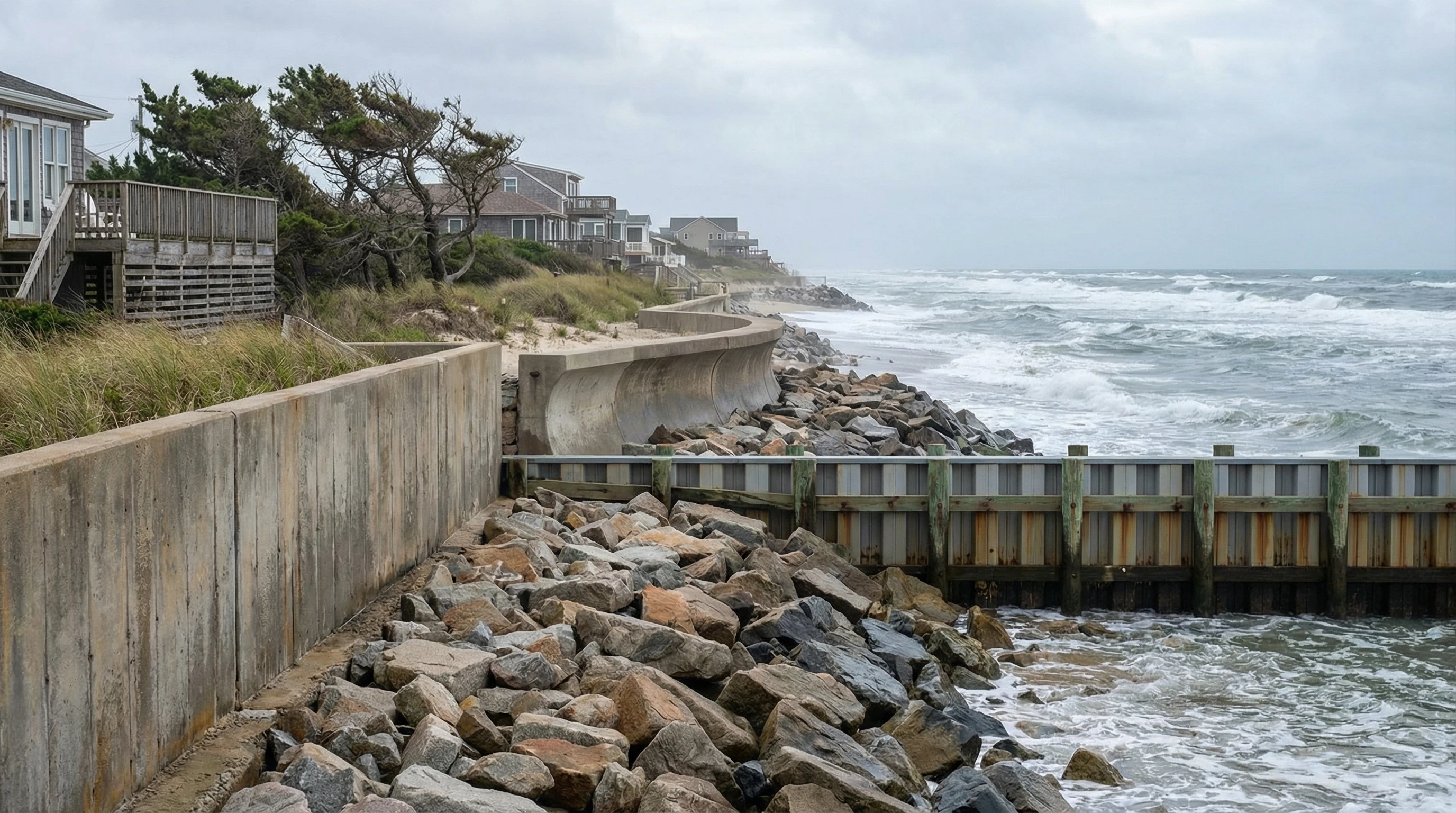
Seawalls play an important part in protecting waterfront properties from erosion and wave damage. If you live near the ocean, you might be curious about the different types of seawalls, how they work, and which style is the best fit for your property. I’ve spent a lot of time researching and visiting coastal communities, seeing firsthand how well-built seawalls make a difference in both safety and property value. Here, I’ll share insights into the main types of seawalls, their strengths, costs, and what property owners should check out before making a decision.
Understanding the Basics of Seawalls
Seawalls are barriers built along shorelines to prevent erosion and property loss from the sea’s force. People have constructed seawalls for centuries, but modern methods focus on both durability and environmental impact. The main idea is to absorb or deflect energy from waves, storms, and tides so water does not eat away at soil, landscaping, or structures built near the water.
I have seen how unprotected shorelines can quickly erode, especially after storms or during high tides. Without a proper seawall or erosion control, property edges can collapse or lose valuable land. Seawalls serve as a first line of defense, but it’s important to know which type fits your needs and budget best. The growing importance of climate change and rising sea levels also makes it even more important to check out effective shoreline protection options today.
Main Types of Seawalls
There are several types of seawalls, each built for certain conditions and budgets. The four most popular are:
- Vertical Seawalls
- Curved or Stepped Seawalls
- Revetment Seawalls
- Composite Seawalls
Vertical Seawalls
A vertical seawall stands upright, forming a solid wall between your property and the water. These are usually made with concrete, steel, or vinyl. The flat, vertical surface blocks waves head-on, bouncing their energy away from the land behind the wall. I find them often used in places with limited space, such as urban waterfronts or harbors where the shoreline is already developed and properties are close together.
Vertical seawalls work well for places with deep water and moderate to high wave action. However, over time, the direct pressure from waves may cause the wall to need more repair or even replacement. Maintenance is really important with this style because cracks or shifting can lead to larger issues later. If you notice early signs of cracks or movement, quick repairs can help stop further damage and keep your wall working correctly for years.
Curved or Stepped Seawalls
Curved (or recurved) and stepped seawalls are shaped to deflect wave energy more gently. Rather than stopping waves with a flat wall, the curve or steps redirect water downward or back toward the sea. This design can reduce how much force reaches the base of the wall, leading to less wear and damage over the years.
When I visited coastal cities with rougher seas, I noticed that curved or stepped seawalls seem to hold up longer than flat ones, especially during storm surges. The design helps tone down damage and costs related to ongoing maintenance. These seawalls are often made from reinforced concrete. For properties with frequent high-energy waves, this style is worth considering for its long-term durability and the potential to lower repair costs in the future.
Revetment Seawalls
Revetments are sloped structures built with rocks, concrete blocks, or riprap (loose stone). They look more like a protective blanket than a solid wall. The slope and loose material absorb wave energy and slow the water, making them a good option for protecting natural areas or wide lots with lots of shoreline.
In my experience, revetments not only protect the land but can also support wildlife habitat by creating nooks for plants and animals. They work well in places with mild to moderate wave action, especially where you want to blend erosion control with natural landscaping. Revetments usually cost less upfront but might need periodic adjustments or fresh materials after major storms. Plus, their design often offers a more natural look that complements the environment, making them appealing for those who want their seawall to blend in with the coastal scenery.
Composite Seawalls
Composite seawalls bring together more than one material or structure type. For example, you might see a steel sheet pile wall reinforced with a stone revetment at its base, or a vinyl wall with a concrete cap. This style lets you customize the wall for your site, matching both structural needs and appearance goals.
Composite seawalls are becoming more popular as property owners try to balance cost, looks, and long-term function. I’ve seen some creative coastal properties use composites to extend the lifespan of their old walls or add protection where the shoreline is uneven or irregular. In some cases, composite designs are the key to meeting strict local regulations while still getting reliable protection and curb appeal.
What to Consider Before Building a Seawall
Choosing the best seawall for your property takes more than just picking a style. There are a handful of factors that can make a big difference in how well your seawall protects your land and lasts over time. Careful planning at this stage can help you avoid headaches and extra costs down the road.
- Wave Energy and Water Levels: Sites with stronger or more frequent wave action need sturdier walls. Tidal changes and storm surges also play a role.
- Shoreline Slope and Soil Type: Properties with steep slopes or soft soils might need deeper footings or special engineering.
- Local Regulations: Many cities and counties have rules about seawall height, materials, and approved building plans. Getting permits and approvals is a process you should start early.
- Budget and Maintenance: Some seawalls cost more to build but need less work later. Others are cheaper but might need frequent repairs. Estimate both upfront and long-term costs to avoid surprises.
- Environmental Impact: Some seawall types, especially those using natural stone or revetments, can ease up harm to marine life compared to flat concrete or steel walls. Your location may also be covered by environmental rules that affect your choices.
Also think about how your planned seawall will affect not only your land but neighboring properties, as water can and does move in surprising ways along the shore.
Potential Challenges Owning a Coastal Property
Living on the waterfront offers amazing views and access to the ocean, but it does come with challenges. I’ve learned from property managers and long-time owners that some key challenges related to seawalls include:
- Ongoing Maintenance: Saltwater, storms, and tides cause wear and tear. Cracks, corrosion, and footing issues are common. Regular inspections really help spot problems before they get expensive.
- Storm Damage: Major storms can flood or break down seawalls. Insurance helps with some costs, but you need to plan for possible repairs or upgrades after big weather events.
- Property Access: Some walls can make it harder to reach the water or keep up beach access. Creative stairs or ramps can help, but they add extra cost and planning. It’s a good idea to talk to builders who have experience putting in userfriendly access solutions.
- Neighbors’ Seawalls: Seawalls on nearby properties can impact how water flows around your own wall, causing unexpected erosion or water pooling. Working with neighbors or the community may offer longer-lasting results than each person going it alone.
Costs and Longevity of Different Seawall Types
Costs for seawalls can vary a lot depending on material, size, and where your property is. Based on interviews with local contractors and my own online research, here’s a general idea:
- Vertical Concrete or Vinyl Walls: These typically cost more upfront and last 30 to 50 years if maintained properly.
- Curved or Stepped Walls: These have higher construction costs but can provide savings through fewer repairs. Expect a lifespan of 40 to 60 years.
- Revetment Seawalls: The initial cost might be lower, but ongoing touch-ups may be needed. They usually last 20 to 40 years before major repairs or replacement are necessary.
- Composite Walls: These are the most flexible in price, depending on how complex the design is. Their longevity depends on which materials you choose and how well they are installed.
It’s a good move to get several quotes from local experts so you really get a sense of the true costs, both short term and in the long run. Contractors can also explain the best materials for your area’s climate and wave activity, helping set expectations before you sign any agreements.
Real-World Examples: Applications for Every Need
Choosing the right seawall sometimes means getting advice from professionals or talking to neighbors who have already been through the process. For example, I spoke with a marina owner who prefers vertical steel seawalls for tight spaces and heavy boat traffic. On the other hand, families with larger backyards and mild wave action enjoy natural looking revetments that double as an area for beach plants or kids to play.
- Urban Waterfronts: Buildings pressed close to the water need strong, vertical seawalls to protect both foundations and roads. Urban projects often involve heavy engineering and deep pilings.
- Residential Homes: Gentle slopes and less wave action open up more natural looking options. Blending stone revetments with landscaping can add to curb appeal and property value.
- Community Projects: Some neighborhoods pool their resources for continuous, shared seawalls. These often use composite designs to balance price and durability across a larger stretch of coast.
In each setting, careful planning and teamwork often lead to the best long-term protection—not just for one property, but for the whole section of coastline. Getting involved with neighbors or local associations can both save money and create a stronger barrier overall.
Frequently Asked Questions
Here are some common questions that come up when choosing and caring for a seawall.
Question: How do I know which seawall is right for my property?
Answer: Talk to local engineers or contractors who specialize in coastal work. They’ll inspect your shoreline, look at wave action, and suggest designs that fit your lot, budget, and city rules.
Question: How often will I need to repair or replace a seawall?
Answer: Regular checkups every year are really important. Small repairs, such as patching cracks or replacing missing rocks, can make your seawall last much longer. Most walls last several decades if well cared for.
Question: Are permits required to build a seawall?
Answer: Nearly every city or county requires permits before starting seawall construction. The process often includes engineering plans, environmental checks, and approval from local authorities.
Best Practices and Next Steps
Choosing, building, and keeping up your seawall comes down to careful planning and steady work. I always recommend keeping good records of all inspections, repairs, and upgrades. Stay in touch with neighbors and professionals in your area, as shorelines are always changing. By staying proactive, you’ll get the most from your investment and protect your property for years to come.
Whether you’re building a brand new seawall or updating an older one, knowing your options and staying informed will help you make the right choice for your coastal property. Remember, the best defense is a smart, long-term approach. Keeping an eye out for changes and taking care of minor fixes will save time and money in the long run, while making sure your views stay beautiful for years to come.