
Geotextile fabrics play a big role in seawall reinforcement, and they’ve become pretty standard in coastal engineering projects. These tough, usually synthetic materials help stabilize soil, control erosion, and keep seawalls working the way they should—even with waves and tides constantly pushing against them. If you’re looking into seawall repairs or new construction near the water, knowing which geotextile fabrics to consider can make your project a whole lot more reliable and last longer.
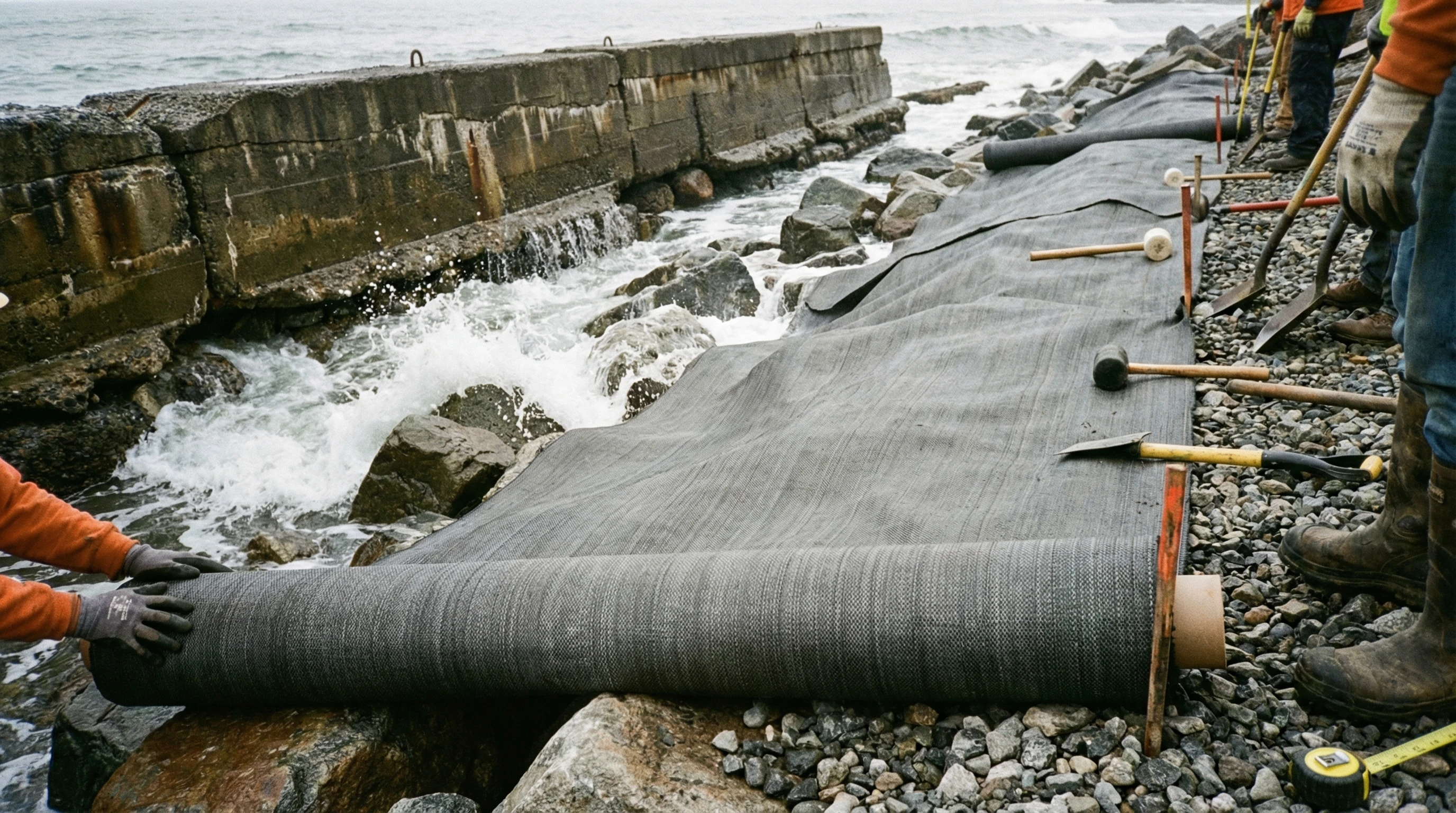
What Makes Geotextile Fabrics Important for Seawall Reinforcement?
Geotextile fabrics act like a trusty layer between the soil and the more rigid parts of a seawall such as concrete, stone, or vinyl sheet pilings. They don’t just stop the soil from shifting out into the water, which eventually causes erosion, but they also let water drain away from behind the seawall. This drainage cuts down on hydrostatic pressure, reducing the risk of wall failure or shifting over time.
Most of the geotextiles used for seawalls are made from tough synthetic fibers like polypropylene or polyester. These materials stay in good shape even when they’re constantly wet, and they don’t break down easily from saltwater or sunlight. Experienced engineers and contractors usually choose geotextile fabrics when they need a practical, cost effective solution for erosion control that’ll last for years. Thanks to their durability, these fabrics can handle the ebb and flow of tide cycles, and they help protect both the seawall structure and the land it supports.
Types of Geotextile Fabrics Used for Seawalls
If you walk down to just about any working marina or coastal repair site, you’ll probably spot two main types of geotextile fabrics: woven and nonwoven.
- Woven Geotextiles: These are made by weaving synthetic yarns together, kind of like traditional fabrics but much tougher. They have high tensile strength, the sort of thing you want when you need soil reinforcement or separation. Woven types are great if your primary concern is making sure the ground doesn’t shift or settle badly behind your seawall. Check out TenCate Mirafi and US Fabrics for reliable woven geotextile options.
- Nonwoven Geotextiles: These are made by bonding fibers with heat or chemicals. They’re a little fuzzier and softer to the touch, but they excel at letting water through while still trapping sediments. Nonwoven geotextiles are a smart pick if your project needs plenty of filtration along with some separation. Propex and GEI Works both offer nonwoven products that handle drainage really well.
Top Geotextile Fabrics for Seawall Reinforcement
I’ve had a chance to see a bunch of different geotextile products in action, and here are a few top picks worth checking out for seawall projects:
- TenCate Mirafi 600X (Woven Geotextile): Stands out for heavyduty reinforcing applications, especially when dealing with loose or sandy soils. Its tight weave blocks soil particles but still lets water pass through at a practical rate.
- Propex Geotex 401 (Nonwoven Geotextile): Reliable for filtration and separation in coastal environments. This fabric works well as a wrap behind stone riprap or under vinyl sheet piles, handling water flow without clogging up.
- US Fabrics US 200 (Woven): Commonly used under gravel or aggregate backfill behind seawalls. It’s sturdy and resists damage when placing rocks or heavy anchoring systems.
- GEI Works Nonwoven Geotextiles: Designed for easy installation and has good water permeability for drainage sensitive situations. The rolls are easy to cut and fit around corners or tight spaces.
Many hardware and construction specialty stores stock these geotextiles, but it helps to double check the specifications before ordering to make sure you’re matching the right fabric to your seawall’s site conditions. If you’re unsure, suppliers often offer sample swatches that you can touch and test before making a bigger purchase.
How to Choose the Right Geotextile Fabric for Your Project
Seawall projects aren’t all the same, so picking the right geotextile comes down to figuring out your site’s unique challenges. Here are a few things I always consider:
- Soil Type: Fine or silty soils usually need tight woven fabric to prevent loss, while coarse soils can often work with more porous options.
- Water Flow: If your site sees a lot of groundwater seepage, a nonwoven geotextile with high water permeability can reduce the risk of pressure buildup behind the wall.
- Load and Traffic: Think about what will rest against or move above the seawall. Heavy vehicles or foot traffic demand high tensile strength woven fabric to avoid longterm settlement.
- UV and Saltwater Resistance: Most geotextile brands now design their products for UV and salt exposure, but it’s worth double checking if you’re near tropical coastlines or harsh climates.
If choosing feels a bit confusing, local coastal engineers or reputable suppliers can often help narrow things down based on similar projects nearby or past local experience. Also, online product guides and comparison charts from big brands are super useful for matching your project specifications to the right product options.
Installation Tips for Geotextile Fabrics in Seawall Projects
Getting geotextile installation right makes a big difference in how well your seawall performs and how much work you’ll save later on repairs. Based on what I’ve seen, here are some pointers for a smooth install:
- Roll out the fabric with minimal wrinkles or folds. This prevents weak spots where soil or water can seep through over time.
- Overlap adjacent sections by at least 12 to 18 inches, especially where two pieces meet. If you’re building in areas with soft soils or heavy wave action, go for at least 24 inch overlaps.
- Secure the fabric in place with landscape staples, rebar pins, or carefully placed rocks. If you don’t pin it down, it can switch up during the backfilling process.
- Backfill gently, without dropping big stones or equipment directly onto the fabric. Punctures and tears really weaken the barrier function.
Proper installation means fewer surprises down the road like erosion holes, soil washing out, or uneven settling. Taking these extra steps at the beginning makes for a seawall that can stand the test of time.
Common Questions About Geotextile Fabrics and Seawalls
I get a fair amount of questions from property owners, contractors, and DIY fans. Here are some of the big ones:
How long do geotextile fabrics last in saltwater environments?
Most high quality geotextile fabrics easily last 20 years or more, assuming they’re installed correctly and not exposed to direct sunlight constantly. Providers like Mirafi and Propex lab test their products to handle salt, sun, and even some chemical spills, so you can trust their resilience for longterm applications.
Is it better to use woven or nonwoven fabric behind a seawall?
Woven fabric helps with soil separation and stabilization, while nonwoven types are typically used where drainage and filtration are more important. If in doubt, a combination of both, with woven closest to the wall and nonwoven further back, often works well for complex sites. Consulting with an engineer can help you figure out the best layer sequence for your needs.
Do geotextile fabrics need maintenance once installed?
Not really. They’re buried and protected from UV light, so maintenance usually involves fixing any visible erosion or damage that shows up on the surface. That said, checking for settlement issues every few years helps spot any bigger problems early on. If you ever uncover the fabric during repairs, give it a onceover for damage and patch if needed.
Real World Examples of Geotextile Fortified Seawalls
You’ll spot geotextile fabrics in lots of practical projects all around the world:
- Marinas in Florida rely on woven geotextiles to hold back fine sand behind wooden seawalls. Walking along the docks, you’ll notice the seawalls stay solid season after season with very little washout, helping protect valuable boats and structures along the coast.
- Coastal parks near the Great Lakes have switched to nonwoven geotextiles paired with riprap to reduce soil loss in heavy storms. The grass stays greener and walking trails don’t slump or collapse, creating safer and more appealing recreational spaces for the public.
- Private residents along Chesapeake Bay use basic contractor grade geotextile sheeting under vinyl panels to keep their yards dry and reduce soft spots around patios and driveways. This simple protection often saves thousands on later repairs by keeping water where it belongs.
Getting a peek at these projects often gives me inspiration about what might work best for smaller jobs, too. Communities continue to grow more aware of the benefits these fabrics offer, including better land preservation and smarter use of coastal space.
Final Thoughts
Choosing and installing the right geotextile fabric is really important if you want a seawall to last and perform well. These fabrics keep the soil where it should be, improve drainage, and help everything stay in good shape even after big storms. Looking at the soil, water flow, and the toughness needed for your project helps make sure you end up with a solution that makes sense for your site and your budget.
For anyone interested in building or maintaining a seawall, checking with local suppliers, coastal engineers, or well respected brands can get you started in the right direction. There’s a ton to like about geotextile fabrics, and they’re worth the extra step if lasting results are what you want by the water. With the right game plan and expert advice, your seawall can serve as a reliable barrier for years to come, keeping your property safe and looking great.