
Michigan’s shoreline along the Great Lakes is nothing short of stunning, but that beauty comes with a challenge: erosion. If you own waterfront property here, whether it’s on Lake Michigan, Lake Huron, or one of the many inland lakes, you probably know how important it is to keep your seawall in solid shape. Problems can sneak up fast, so seawall repair and maintenance really matter if you want to protect your property and keep those views for years to come.
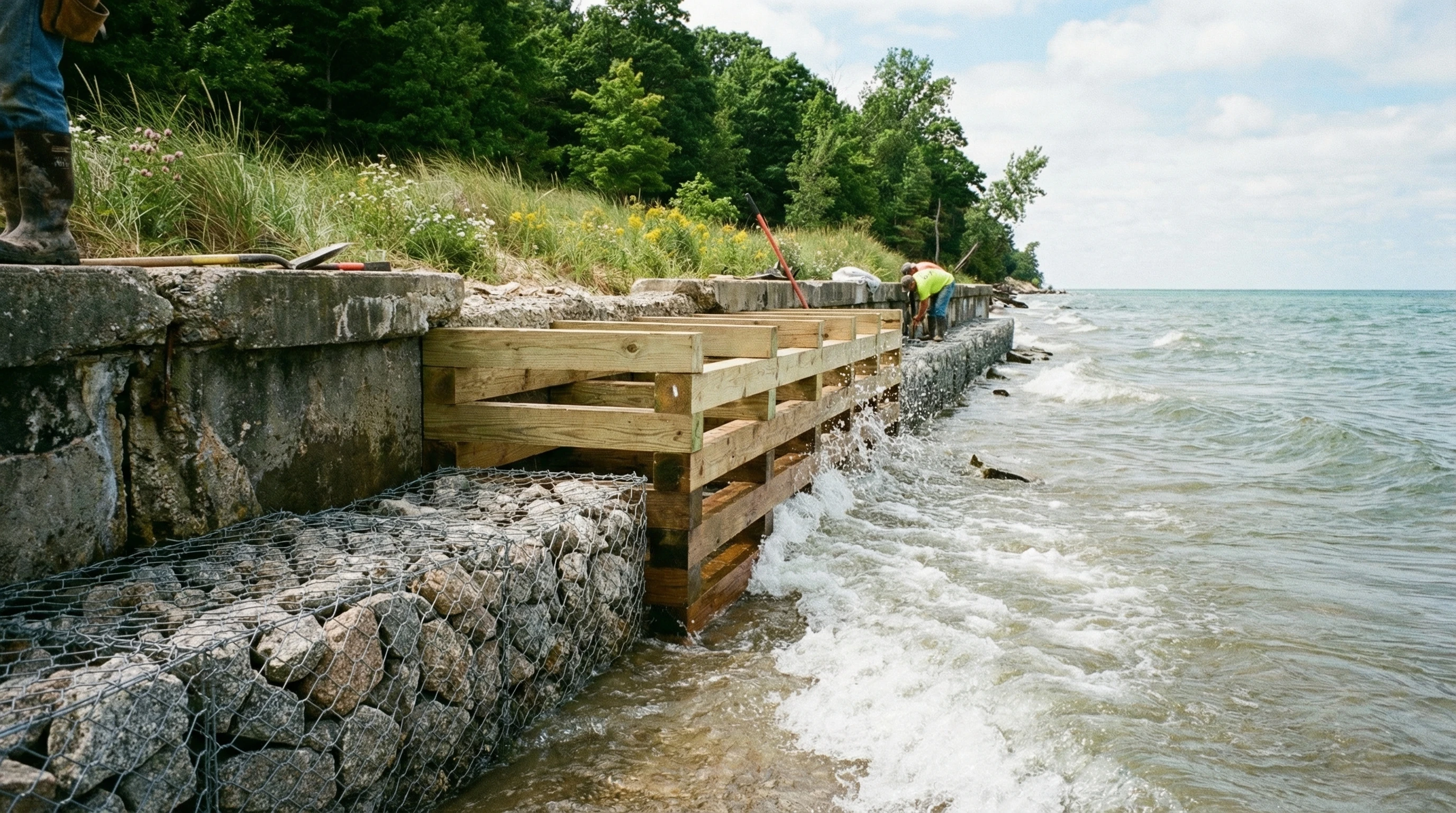
Why Seawall Repair in Michigan is Important
Michigan gets hit with waves, seasonal storms, and freeze-thaw cycles that can slowly break down seawall materials. Over time, cracks, shifting, or even sections collapsing are pretty common setbacks. Without proper repair, a damaged seawall can lead to rapid erosion, property loss, and sometimes even safety risks for folks enjoying the lake.
Most Michigan seawalls are made from concrete, steel, wood, or vinyl. Each material has its own quirks and issues when it comes to repairs. Concrete can crack and chip, steel can rust, wood can rot, and vinyl can warp from UV or ice pressure. No matter the material, catching and fixing issues early always works out better than waiting until there’s a much bigger (and pricier) problem.
How Seawall Damage Typically Shows Up
Keeping an eye out for early warning signs of damage helps you get ahead of things. Here’s what I watch for during spring walkarounds and after storms:
- Cracks in the Wall: Small or large, cracks show up as straight lines, spiderwebs, or even open gaps. Don’t ignore them; they can expand fast with more wave action or freezing water.
- Soil Loss Behind the Wall: If you notice the lawn sinking, soft spots, or holes near the back side of your seawall, you might have voids forming. That means water is leaking through and pulling soil with it.
- Tilted or Bowing Sections: Pressure from the water or loss of backfill can cause concrete, steel, or wood segments to start leaning toward the lake. That’s a sign the foundation is switching up.
- Exposed Rebar or Rust Stains: These clues mean the steel in your concrete wall is exposed to water and starting to rust or rot. That weakens the structure if not repaired.
- Loose or Missing Capstones/Boards: If the cap at the top of your wall is loose, water can get inside and do more damage, especially during spring melts and heavy rain.
Basics of the Seawall Repair Process
Every seawall is different, but repairs in Michigan usually follow a pretty clear process. Here’s how it usually goes with good repair services:
- Site Inspection and Assessment: The team checks out the full length of the wall, noting cracks, leak points, soil conditions, and how the water is interacting with the wall. They’ll often look at nearby structures, docks, or patios, too.
- Choosing the Right Repair Method: Repairs can involve anything from patching cracks and injecting polyurethane or epoxy, to driving in new steel tiebacks or replacing entire sections. Sometimes, adding riprap (big rocks) at the base or even soil grouting is needed to stabilize weak spots.
- Permitting and Approvals: In Michigan, you’ll need the right permits for repairs along public shorelines or major changes. Good contractors handle these details and make sure work is up to Michigan Department of Environment, Great Lakes, and Energy (EGLE) rules.
- Actual Repair Work: Crews use equipment like pumps, drills, and sometimes even small excavators to fix and reinforce your wall. The approach depends on the materials and damage severity.
- Site Clean Up and Ongoing Maintenance: After repairs, they’ll tidy up, replace lost soil, and sometimes plant erosion resistant grasses to help prevent the problem from coming back.
Common Types of Seawall Repairs in Michigan
The big question I get from clients is what types of repairs they might need. The main approaches in Michigan include:
- Crack Filling and Epoxy Injection: Fine cracks and small leaks are often sealed up with heavyduty waterproof epoxy or polyurethane foams. This blocks water from sneaking through the wall and washing away soil.
- Replacement of Rotten or Rusted Panels: Wood seawalls often need new boards spliced in, while steel walls have rusted sheets or tiebacks swapped out if they’ve thinned or broken.
- Adding Deadmen Anchors: New anchors are installed behind the wall in the soil to hold leaning sections upright. This is common for walls showing significant bowing.
- Bulkhead Replacement: When a section is just too far gone, sometimes the best move is to remove and replace that part. It’s more work, but it gives you a fresh start with modern materials and techniques.
- Riprap Installation: Lining the outside/base with large stones helps absorb wave impact, which takes some stress off the repaired seawall and can slow future erosion.
What’s Involved in Seawall Inspections?
Yearly or biyearly inspections are one of the best things you can do, especially if you’re not living lakeside year round. Inspectors look for surface cracks, loose hardware, soil loss, and overall wall alignment. They also check drainage systems and weep holes, since blocked drains can lead to big pressure build up and quick wall failures.
How to Choose a Michigan Seawall Repair Contractor
It helps to work with local contractors who really know Michigan’s shoreline issues. Here are a few tips I always share with friends and neighbors when searching for a pro:
- Check local reviews and references for seawall jobs in your county or along the same lake.
- Ask for proof of state licensing and insurance. Good contractors will provide it right away, and you’ll want to know you’re covered in case something unexpected happens.
- See if they handle permitting and compliance with EGLE regulations; it’s pretty important in Michigan.
- Request a detailed estimate and repair plan. It’s helpful when they break down the steps, materials, and timeline.
- Ask about warranty options on labor and materials. Repairs are an investment, so a solid warranty adds peace of mind.
Tips for Keeping Your Seawall in Good Shape
Regular maintenance is the best way to avoid big repairs. Here’s my maintenance routine after a decade on the lakeshore:
- Walk your seawall every spring and fall, and right after major storms. Flag new cracks, chips, or settling.
- Keep the backfill soil topped off and gently sloped so rain drains away from the wall, not toward it.
- Add or clear out weep holes as needed to let water escape from behind the wall. Blocked drains can cause surprising damage.
- Trim or remove large trees near the wall; big roots and falling branches are risky for seawalls.
- Consider having a professional walkthrough every year or two for anything you might have missed. Local pros spot things fast.
Seawall Repair Cost in Michigan: What to Expect
Costs vary in Michigan, but it helps to know a ballpark range. Small crack repairs and simple epoxy work might be under $1,000, while structural fixes or partial replacements can be $2,000 to $15,000 or more. Longer seawalls, special materials (like heavyduty steel), or major replacement jobs for properties on highenergy Great Lake shorelines can cost $20,000 and up. Getting multiple quotes can help you budget wisely and compare techniques or materials.
Sometimes, insurance policies or local grants may help cover repair costs, especially if erosion is threatening your main structures. It’s a good idea to check with your insurer and local municipality to see what’s available. Some communities around Michigan also organize group shoreline repair or improvement projects, which can bring bulk discounts.
FAQs: Seawall Repair Services in Michigan
How often should I have my seawall inspected?
Most property owners go with once or twice a year, especially in spring after the ice thaws, and after big storms. Year round residents might notice problems sooner than “summer people.”
Can small repairs wait until next season?
Minor maintenance like sealing hairline cracks can sometimes wait, but soil loss or shifting sections should be addressed soon. Like most home repairs, catching things early saves money and trouble down the line.
What permits do I need for a seawall repair in Michigan?
The Michigan Department of Environment, Great Lakes, and Energy (EGLE) issues permits for structural repairs or any work dealing with the shoreline. Good contractors handle this for you, but you can also learn more from EGLE’s official site.
Is it better to repair or replace my seawall?
If damage is limited, repairs work well and are less expensive. If a large section is sinking, leaning, or collapsing, a professional will probably recommend replacement for longterm stability. Many firms offer both options and can help you decide what makes more sense.
Final Thoughts on Protecting Your Michigan Shoreline
Maintaining your Michigan waterfront property isn’t just about keeping the view nice; it keeps your investment safe and helps protect all the fun lakeside activities that make local living so great. Staying ahead of repairs, choosing a trustworthy repair service, and committing to simple seasonal maintenance make all the difference. It’s always worth getting a second opinion if you spot something off, and a reliable local contractor often feels more like a neighbor than just a hired hand.
Michigan is lucky to have some of the most breathtaking lakes, and a sturdy seawall helps you enjoy them for years. If you’re not sure where to start, reach out to a Michigan based seawall specialist to set up an inspection and talk through your options. For more tips on shoreline protection and local services, check out resources from Michigan EGLE and local conservation districts; it’s always worth having the right info on hand.