
Owning a home along a river, lake, or oceanfront feels rewarding, but keeping that investment safe from land loss brings its own challenges. Erosion eats away at shorelines, damages landscaping, and threatens the stability of buildings and recreational spaces. Dealing with erosion early helps preserve waterfront properties for years to come. Drawing from what I’ve learned working with different shoreline landscapes and talking with experts, I’ve put together some practical erosion control techniques. These methods fit all levels of budgets and property types, and can be mixed based on your site’s needs.
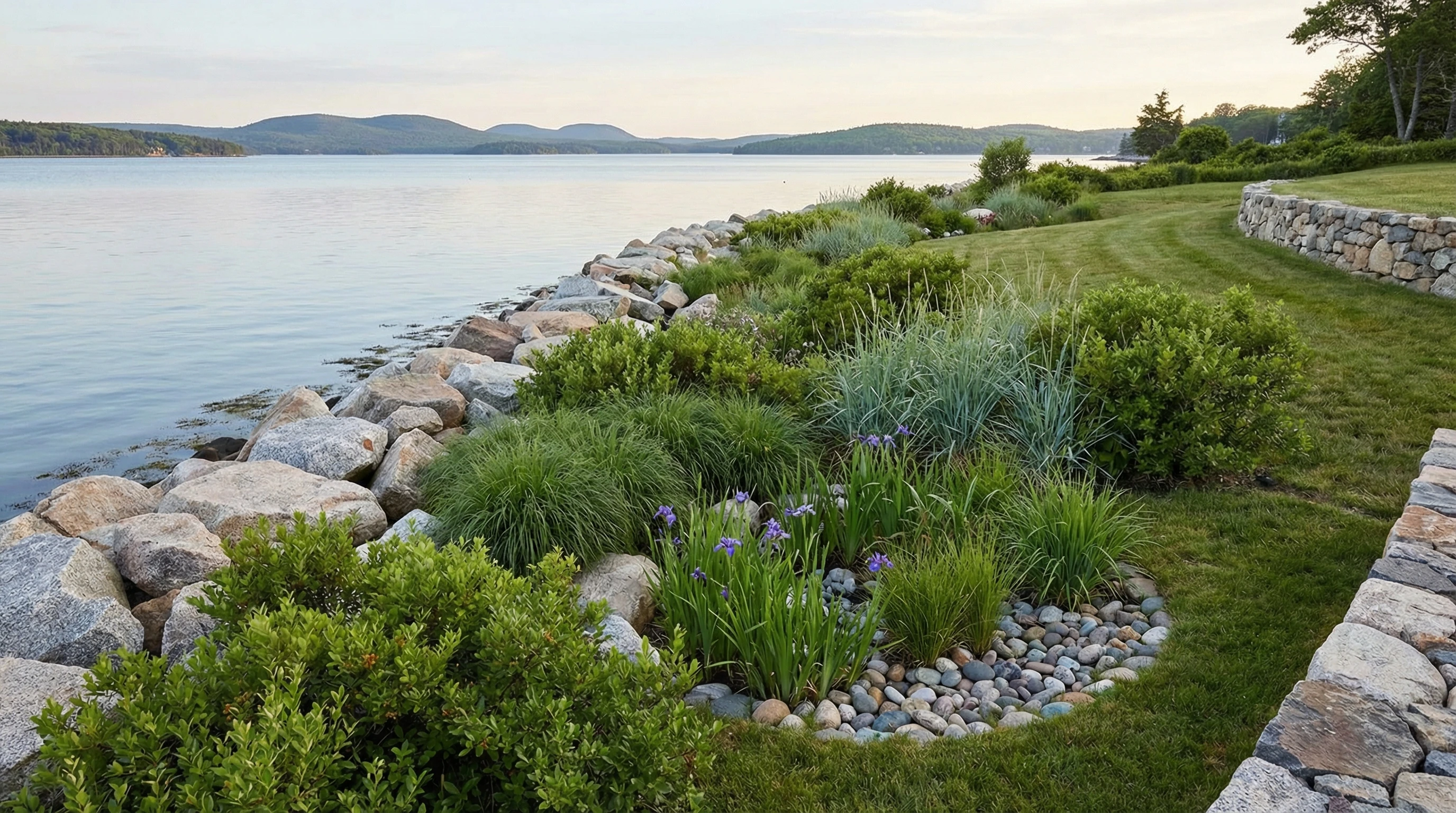
Understanding Waterfront Erosion
Erosion shapes land by wearing away soil and rock through water, wind, and even human activity. On waterfront properties, moving water, like waves, currents, and even boat wakes, can strip away soil quickly. Over time, this shrinking land means less usable space, possible property damage, and loss of mature trees. Even light erosion can put entire buildings and roads at risk if not addressed. Erosion rates depend on soil type, slopes, and nearby activity. Figuring out the source and speed of shoreline erosion is an important starting point because it helps you pick the best solution for your site.
Top 10 Erosion Control Techniques for Waterfront Properties
Choosing the right erosion control method depends on your shoreline’s situation and your goals. Some homeowners want strong, lasting protection, while others prefer natural looks that support wildlife and boost property value. Below are the top 10 techniques you’re most likely to see used on waterfront properties, along with tips for getting the most out of each method. You can mix several approaches to match your landscape and personal preference, blending ecofriendly appearance with robust prevention.
- Planting Native Vegetation
Planting deeprooted native grasses, shrubs, and trees helps hold soil together. I like to mix different plant types along the shore, such as willows, sedges, or bayberry, which can handle wet feet and high water. Roots help reduce water speed as it hits the shore, while dense foliage buffers wind and rain. You’ll find that a healthy, planted buffer not only looks good but also filters stormwater, supports birds and butterflies, and boosts privacy. If you stumble upon native species that thrive locally, your shoreline will blend in naturally. For help, your local extension office can suggest species that work in your region.
- Riprap Stone Barriers
Riprap involves laying out large rocks or boulders along the shoreline. These stones soak up wave energy and keep soil locked in place. Many homeowners use riprap for slopes with strong wave action or water traffic. I’ve seen riprap barriers last for decades when installed on a prepared base and spaced tightly together. Using a layer of landscape fabric under the rocks prevents weeds and stops sand from washing through. While riprap is strong and lowmaintenance, it is more visible and less naturallooking than vegetated options. Still, on highenergy shorelines, it’s one of the most reliable methods to step up your waterfront durability.
- Seawalls and Bulkheads
Seawalls and bulkheads are physical barriers, usually made from concrete, steel, vinyl, or wood. These walls offer serious protection for properties facing strong currents or storm surges. In places where space is tight or where erosion is rapid, seawalls can save a lot of land. Designs often include drainage holes to relieve pressure and may feature steps or ramps for water access. While they are among the costlier options up front, their effectiveness is hard to beat when dealing with aggressive erosion, especially near homes or docks. Routine maintenance is crucial to catch cracks or loose panels early and avoid expensive fixes.
- Fiber Rolls (Coir Logs)
Fiber rolls, also known as coir logs, are long, natural tubes made from coconut fibers. I suggest these for gently sloped areas or spots where you want plants to reclaim space over time. Coir logs absorb wave energy and provide a base where grasses and wildflowers can sprout. Installation is quick, and the logs eventually break down into organic material, blending in with the shore. While not suited for fastmoving water or heavy boat wakes alone, they work great with native plantings and help shorelines bounce back after storms or high water. Some homeowners add sturdy stakes to prevent logs from shifting during flooding.
- Live Staking
Live staking is a budgetfriendly method where you plant cuttings of hardy native shrubs, like willow or dogwood, directly into moist shoreline soil. These cuttings sprout roots and grow into living fences that trap sediment and block moving water. I’ve done this on smaller riverbanks and found that it works best during the dormant season so the cuttings root before spring growth. It’s a simple way to restore eroded banks with minimal equipment. Over time, these shrubs fill out, support wildlife, and give a boost to natural scenery.
- Terracing and Grading
Terracing creates a series of small steps on a steep slope. These flat areas slow water, reduce runoff speed, and make planting easier. When used on hills or bluffs, terracing prevents soil from collapsing and lets rain sink in, instead of washing away soil. Adding terraces does take some work with excavation or retaining walls but can really improve both protection and property access. When planned well, terraces make yard upkeep simpler and open up spots for gardens or outdoor seating with an eye-catching view.
- Floating Breakwaters
Floating breakwaters are structures anchored a short distance offshore. Made from sturdy floating modules, they break up waves before they hit land. These can be especially helpful where building seawalls is not allowed or desired. I find that floating breakwaters protect fragile shorelines, boat docks, and small beaches from erosion without changing the shoreline’s look. They also provide calm water for swimming and boating. On busy lakes or marinas, owners sometimes add lighting or reflective markers for extra safety at night.
- Bioengineering Mats
Bioengineering mats combine natural fibers and mesh grids. You roll them over the soil on eroding slopes, often under a new seed or plant layer. These mats stabilize soil while new plants take root, which really helps in areas where seedlings would otherwise wash away. They break down naturally and can be cut to fit any shoreline shape. Some types even come preseeded, making it even easier to get a thick, protective plant cover started right away.
- Permeable Pavers and Paths
Paths or patios near the shoreline often add to runoff, so replacing solid surfaces with permeable pavers or gravel paths can minimize this. These materials let rainwater soak in instead of washing downhill in sheets. I’ve worked with homeowners to redesign walkways using stone, porous brick, or spaced stepping stones surrounded by gravel. The result slows runoff and reduces longterm erosion around buildings and activity areas. You also cut down on puddles and ice patches after heavy rain by switching to permeable options.
- Rain Gardens and Drainage Swales
Rain gardens and swales are shallow, planted areas that collect stormwater and let it soak into the ground. For waterfront homes, building a rain garden a safe distance from the bank helps catch roof and driveway runoff before it reaches the water’s edge. Filling these gardens with native flowers or grasses creates a beautiful buffer that also helps reduce erosion. A swale, a shallow, grassy ditch, can reroute water away from vulnerable slopes, giving it a chance to filter through soil instead of running directly into the shore. Pairing rain gardens with proper gutter and downspout placement boosts their benefits even more.
How To Choose the Right Erosion Control Solution
Picking the best method for your needs starts with looking at your property’s shoreline features. I usually recommend checking the slope, soil type, water activity, and how you use your land. You might find that a mix of structural approaches, like riprap, paired with natural methods, such as planting buffers, works well. Smallscale erosion often gets better with simple planting and grading. For bigger threats, a professional shoreline contractor can help with seawall, riprap, or breakwater installation. Careful research helps ensure your investment lasts, supports a healthy environment, and keeps the shoreline stable. Remember, shoreline protection is rarely a onetime fix and may need touchups as the landscape and water activity switch up over time.
Common Challenges and Tips For Success
- Permits and Regulations: Many areas require permits for shoreline changes, especially for hard structures or work near the water. Talking with your local zoning board or conservation department helps you avoid fines and design mistakes. Consulting neighbors who have done similar work can offer practical tips and help you track down required permissions.
- Costs and Maintenance: Some options, like seawalls, cost more up front but last longer. Others, like planting, cost less but may need replanting or extra care in early years. Knowing your longterm plans makes it easier to budget and prioritize. Take time to estimate both initial investment and yearly upkeep when making your choice.
- Natural Habitat: Natural buffers and coir logs support wildlife, while seawalls can limit plant growth and fish habitat. If enjoying nature is a big part of living by the water, focus on solutions that blend structural support with native planting. Butterfly gardens, birdhouses, and small fish habitats are simple ways to take up a notch your shoreline’s ecosystem value.
- Storm Preparation: Even wellbuilt shorelines face damage from rare, severe storms. Clearing debris, fixing gaps, and checking drainage each season goes a long way for property safety. Keep a small toolkit handy for emergency repairs or sandbagging before storms roll in.
Taking time for yearly checks and acting quickly on small problems is really important. Regular attention keeps erosion under control and stops little issues from growing into costly repairs. Organizing beforeandafter photos makes it easy to spot changes and plan future steps. Some property owners even ask neighbors or community groups to help keep an eye on shoreline health.
Real-Life Results of Erosion Control
I’ve seen how combining several techniques makes a real difference for waterfront homes. For example, one property I worked with used riprap along steep banks, but also planted native grasses at the water’s edge. After three storm seasons, the owners saw far less soil loss, and new plantings gave the area a more natural look. Another lakeshore cottage used terracing, combined with live staking, creating garden beds that provide both erosion control and a relaxing outdoor area for the family. Solutions like these show how small projects can add up to big, lasting benefits. Over time, consistent care delivers both beauty and stability for any water’s edge home.
Frequently Asked Questions
What’s the most naturallooking way to control erosion on a waterfront property?
Planting native vegetation is usually the most seamless way to blend erosion control with natural views. Combining plantings with biodegradable fiber logs can help, especially on gentle slopes. Wildflowers, grasses, and low shrubs mixed together offer a resilient barrier that showcases nextlevel cool environmental care.
Do I need a permit to install riprap or seawalls?
Permits are usually needed when installing structures along the shoreline. Checking with your local environmental office or county planning department is the safest way to get the right paperwork before starting work. If in doubt, ask a contractor or consult your area’s building authority for advice on local rules.
How can I prevent erosion without blocking my water access?
Using fiber rolls, live staking, or planting strips of low, hardy plants lets you protect the shore but still leave clear access paths for swimming or boating. Spacing your plantings strategically keeps your waterfront open for kayaks, fishing, or simply enjoying the view without giving up protection.
Next Steps for Waterfront Homeowners
Protecting your waterfront property calls for ongoing attention and some up-front planning, but the results pay off with a safer, more beautiful, and more valuable home. Combining two or more methods often brings the best results, especially as your site changes over time. Staying in touch with local experts and other homeowners is a great way to keep up with new products and regulations. Starting small, learning about your shoreline, and acting before problems get out of hand can make all the difference for your property’s future. Keep records of what you try, as this helps with future maintenance and guides neighbors dealing with similar erosion risks. With regular checks, careful upgrades, and an eye for both ecofriendly and sturdy solutions, you’ll keep your shoreline secure for years ahead.