
Owning a waterfront property can be a dream come true. I get to enjoy stunning views, spend time by the water, and take part in lots of outdoor activities right in my own backyard. But living by the water also means taking special care of my home, land, and any gear I use there. Having the right tools makes life a lot easier and helps me protect both my property and the beautiful environment it surrounds.
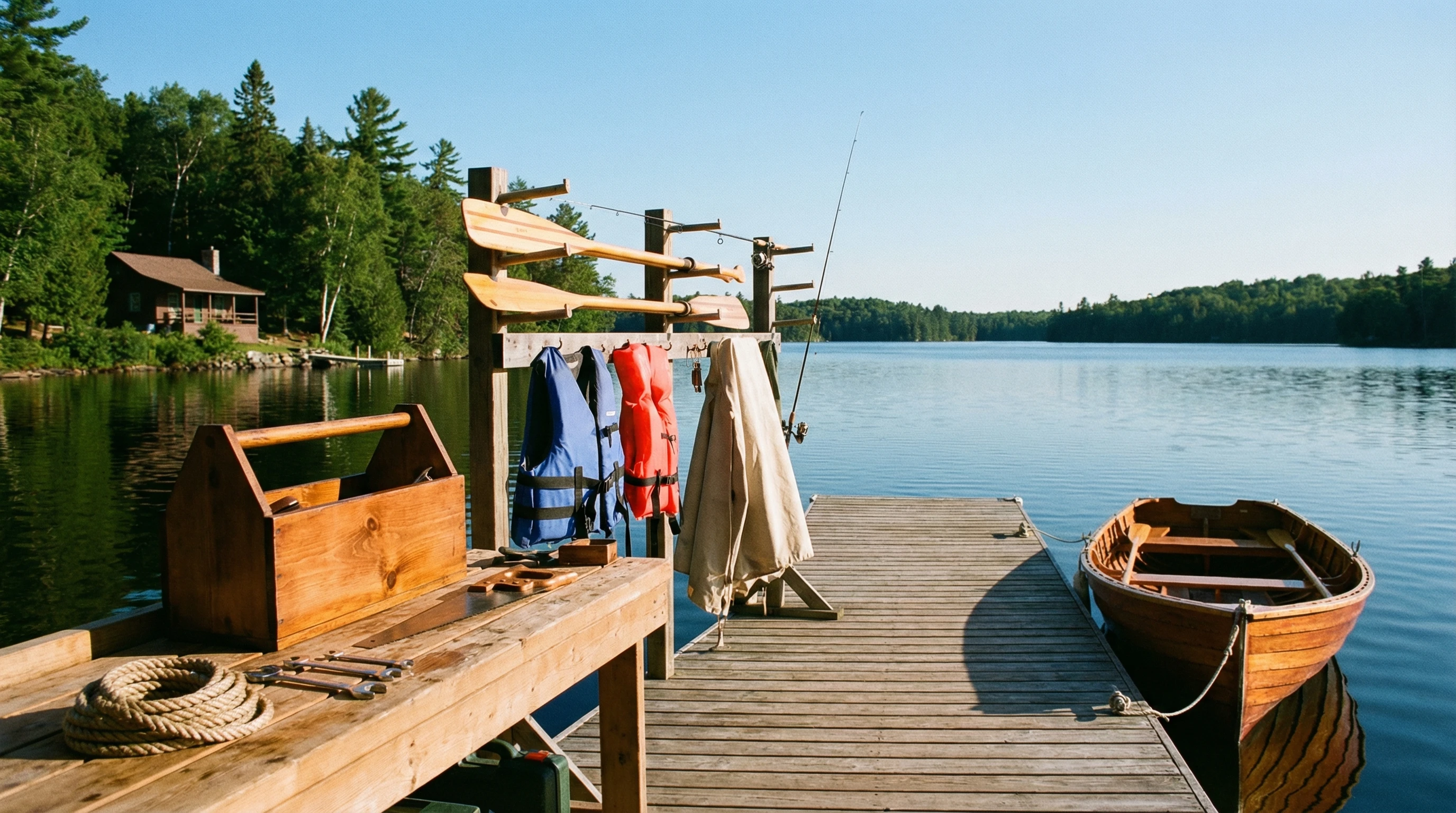
Key Tools for Everyday Waterfront Maintenance
The daily upkeep of waterfront property comes with specific responsibilities. Saltwater, humidity, plant overgrowth, and shifting water levels all affect how I need to care for my lot. Choosing my tools thoughtfully lets me handle challenges while saving time and hassle.
Properties located near water often need extra attention to docks, boats, bulkheads, and shorelines. Simple jobs, like removing driftwood or fixing a loose board, can be a big deal if I don’t have the right tools handy. Investing in some solid basics means my property stays safe and enjoyable year round.
Here are some essential tools that I find really useful for everyday upkeep:
- Long handled loppers and pruning tools: These help with trimming waterside bushes, branches, or invasive plants so the view stays clear and the shoreline stays neat.
- Portable pressure washer: Useful for cleaning docks, decks, and boats. It removes algae, mildew, and salt buildup quickly, keeping surfaces safe and good looking.
- Sturdy wheelbarrow or cart: Hauling stones, tools, or debris from the shoreline is a lot less work with a durable cart that rolls well on uneven ground.
- Multibit screwdriver & socket set: I keep a versatile screwdriver and a full socket set available for tightening dock bolts, boat fittings, and fixing outdoor furniture.
- Extension pole net or skimmer: Fetching floating debris or trash from the water is easier with a long handled net, keeping my waterfront clean and welcoming.
Essential Gear for Dock and Boat Maintenance
My dock and any watercraft I keep nearby are a big part of why I love my property. They need special care, especially since the combination of sun and water can wear out materials quickly. Over time, I’ve learned which tools make repairs and upkeep a lot less stressful.
- Water resistant tool bag: I store wrenches, pliers, and fasteners in a bag that won’t get ruined if it gets splashed.
- Cordless drill with marine grade bits: Fixing dock planks or mounting cleats is much faster with a powerful, rechargeable drill and rust resistant drill bits.
- Marine sealant and caulking gun: Sealing gaps or cracks prevents wood rot, water intrusion, and helps my dock, ramps, or boat stay strong even during storms.
- Heavy duty rope and bungee cords: I use these for tying off boats, securing ladders, or temporarily binding anything that needs to stay put at the water’s edge.
- Boat hook: Handy for pushing off, retrieving ropes, or guiding a boat into a tight slip.
Protective and Safety Equipment Every Owner Needs
Spending time near water can come with some risks. I always keep safety in mind, especially if friends and family are enjoying the shoreline too. Having the right emergency equipment ready makes me feel more confident and prepared for any situation.
- Life jackets: Well maintained, Coast Guard approved life jackets are essential, especially for kids and guests who may not be strong swimmers.
- Throw ring buoy: I keep one attached to the dock for quick rescue in case anyone falls in unexpectedly.
- First aid kit: Cuts, scrapes, or insect bites are more common at the water’s edge, so I keep a waterproof first aid kit in an accessible spot.
- Emergency air horn or whistle: These tools are useful for quickly signaling for help if needed.
- Fire extinguisher rated for marine use: Fires can happen near boats or grills, and having a fire extinguisher within easy reach adds an extra layer of safety.
Specialty Tools for Shoreline and Erosion Management
Natural changes in water level, storms, and even waves from passing boats can erode my shoreline over time. Managing this is part of keeping my property safe. With a few specialty tools, I can prevent minor problems from turning into bigger ones.
- Shovel and heavy rake: These help with reshaping or reinforcing soil near the shoreline, especially after high water or strong storms.
- Sandbag filler tool: Filling and placing sandbags is faster with a simple tube style sandbagger, giving me much more control during flood season.
- Post driver: I use this for installing fence posts, erosion barriers, or new dock footings when needed.
- Soil test kit: Understanding what kind of soil I have helps with choosing the right grasses, erosion matting, or plants that will stabilize the ground.
- Biodegradable erosion netting: For fresh plantings or slopes, this netting keeps seeds in place and helps grass take root faster.
Shoreline Landscaping Considerations
Maintaining a healthy, attractive shoreline goes beyond mowing the lawn. I research native plants that hold soil in place and don’t need much maintenance. Swapping out invasive species for local grasses or reeds has made a big difference in the stability and appearance of my shoreline. A tip I always share with newcomers is to check out local conservation resources; in my experience, they help you pick the best plantings for longterm success and guide you in keeping your shoreline both sturdy and eye-catching year after year.
Troubleshooting Common Waterfront Property Challenges
Unexpected problems can show up at any time when I own waterfront land. Knowing how to handle issues like flooding, algae blooms, or equipment breakdowns means I can respond without panicking. Along with basic tools, it helps to have a game plan and a list of trusted local contractors or experts in your area.
- Flood response: I keep tarps, sandbags, and a submersible utility pump on hand just in case sudden heavy rain or rising water threatens my property.
- Algae and aquatic weed control: Having a rake or aquatic weed cutter helps keep swimming or boating areas clear and healthy.
- Routine dock inspection: Walking my dock every week with a flashlight and simple pry bar lets me spot loose boards or rusted fittings early, before they become safety problems.
- Backup power: Power outages are common during big storms by the water, so I invested in a portable, outdoor rated generator that can handle the basics like lights, a fridge, or medical equipment.
Staying prepared also means checking out weather apps and tide charts often, especially during storm season. Simple habits like these let waterfront owners spot changes early and protect their investments even when conditions switch up quickly.
Tips for Making the Most of Your Waterfront Tools
Learning how to use and maintain my gear really helps me get the most out of every purchase. Here’s what I’ve found helpful after years of living by the water:
- Store tools out of the elements: I use a lockable, weather resistant storage box or shed so tools don’t rust or wear out as quickly.
- Rinse after use: Salt and silt are tough on even the best equipment. I rinse off tools and allow them to dry before putting them away.
- Sharpen blades regularly: Tools like pruners, weed cutters, and shovels get a quick sharpening every month during busy seasons.
- Invest in quality: I’ve found that paying a little more for stainless steel or marine grade materials saves money and hassle down the line.
Every now and then, I also oil moving parts and inspect handles for splits or weakness, which keeps older tools working like new for much longer. These habits take just a few minutes and can save you the cost and trouble of frequent replacements.
Frequently Asked Questions
Owning waterfront property can bring up lots of specific questions about the right gear and maintenance routines. I’ve answered a few common ones I get from new neighbors and friends.
Question: What is the single most important tool for routine dock maintenance?
Answer: I find that a cordless drill with marine grade bits makes most dock repairs much faster and easier. With the right bit, I can swap out boards, tighten bolts, or attach cleats with minimal effort.
Question: How do I keep the shoreline from washing away?
Answer: Regular use of erosion netting, native plants, and sandbags helps me fight shoreline loss. If erosion is bad, I recommend working with a local expert for bigger projects.
Question: Is a pressure washer safe for my wooden dock?
Answer: I use a medium setting and a fan tip spray on my pressure washer to clean without damaging the wood. Tougher stains may need a cleaning solution made for docks or decks.
Making Waterfront Living Easier
Having the right tools on hand has made all the difference in how much I enjoy and care for my property. When I take the time to invest in quality gear and learn how to use it, owning a piece of the shoreline becomes a lot more relaxing. Whether I’m fixing up a boat, trimming plants, or just enjoying the view, these tools mean I spend less time on chores and more time soaking up life by the water. If you’re new to waterfront property, building up your own toolkit is a smart way to protect your investment and enjoy every moment outside. With a bit of practice and the right preparation, you can make the most of every sunrise and sunset on the water, while keeping your property safe, beautiful, and stress free for years to come.