
Taking care of a seawall protects property, prevents erosion, and helps preserve value over time. I’ve spent a lot of time looking into different ways to secure seawalls, and I’ve found that the right sealants and coatings make a big difference. The choices can get confusing if you’re new to maintaining waterfront structures, so I’m going to break down the basics and share what to look for before spending money on any product.
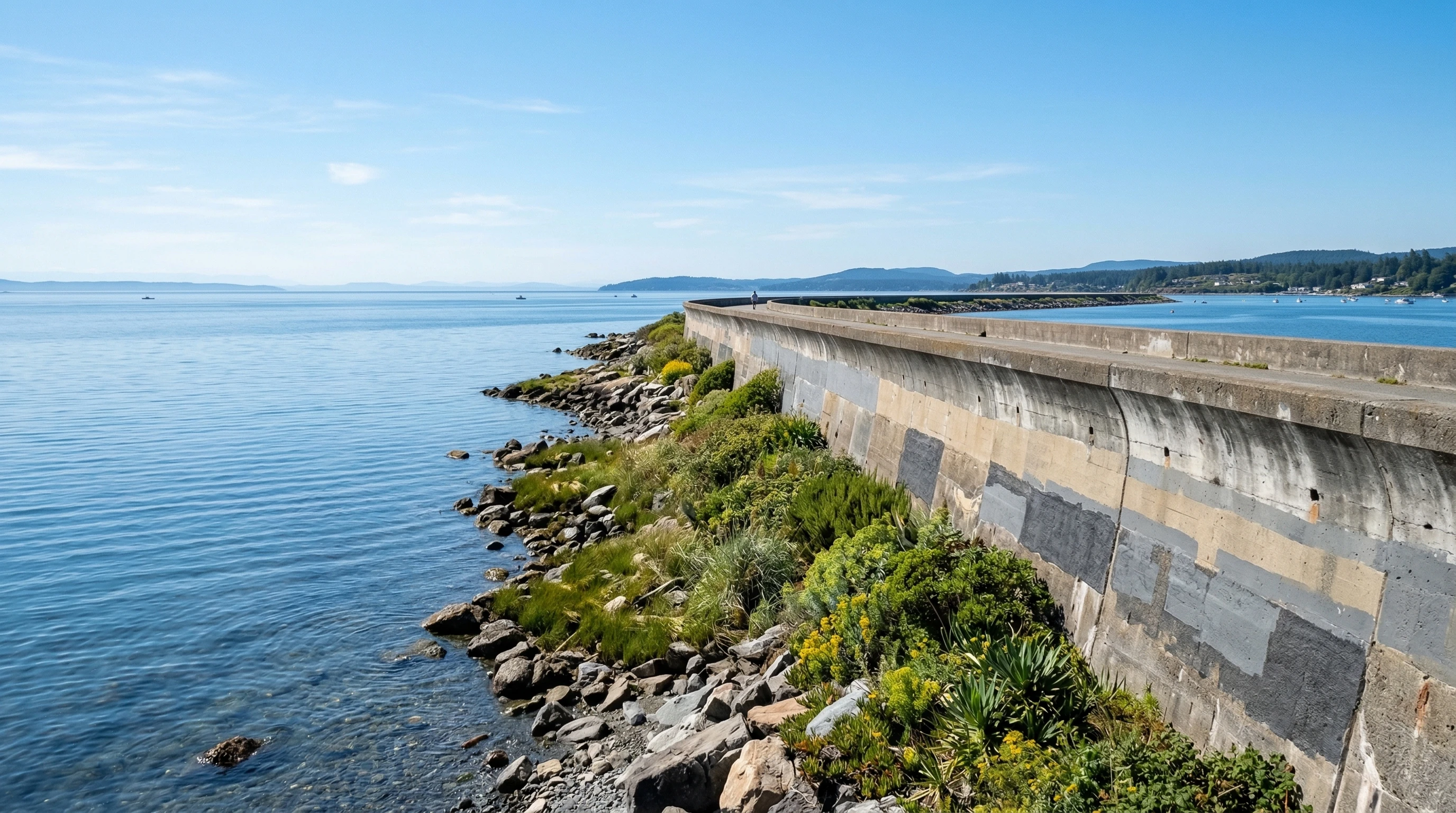
Why Sealants and Coatings Matter for Seawall Protection
Seawalls stand up to constant water, changing tides, and harsh weather. Over time, water can break down concrete, metal, or wood if they aren’t treated properly. I’ve learned through experience that a good sealant or protective coating provides an extra layer, locking out moisture and reducing wear from salt and UV rays. Skipping this simple step will often lead to repairs in the future.
Seawall sealants are used to fill cracks and joints so water can’t seep in. Protective coatings add a shield across large surfaces, making the wall more resistant to erosion, algae growth, and surface damage from sun and salt. Research shows that protective treatments can double the lifespan of a seawall if they are applied correctly and refreshed regularly.
Most seawalls are concrete, steel, vinyl, or wood. Each one reacts differently to the environment and needs a specific type of treatment. Understanding the basic material helps homeowners or property managers make solid choices for long-term protection.
Types of Sealants and Coatings for Seawalls
The main products for seawall protection fall into two groups: sealants for joints and cracks, and coatings for overall surface protection. Both are really important, and I always recommend using them together for the best results.
- Polyurethane Sealants: These are flexible and do well filling gaps in concrete or between slabs. I like them because they stretch with the wall, which helps prevent leaks if the wall moves a bit.
- Epoxy Sealants: Epoxy products bond tightly and give a very solid seal. I’ve used them on bigger cracks or spots with heavy pressure. They’re also good for underwater repairs but can take longer to cure.
- Acrylic Coatings: Acrylic coatings work great on concrete and masonry. They go on smoothly and provide solid coverage against UV and moisture. I appreciate how they dry quickly, making it possible to apply two coats in a day.
- Coal Tar Epoxy Coatings: These are often used on steel seawalls or metal parts. I’ve found coal tar epoxies give tough protection from saltwater, but they need careful application and good ventilation during use.
- Elastomeric Coatings: These coatings stretch a bit when the material underneath moves. I notice fewer cracks and peels when I use elastomeric products, and they’re especially good for areas with temperature swings.
- Silicone Sealants: I turn to silicone for minor cracks in concrete, metal, or wood. These sealants resist UV rays and stay flexible, but sometimes dust and dirt can stick to them more than other options.
Product selection usually comes down to the wall type, local climate, exposure level, and frequency of saltwater contact. It’s also worth checking if your area has specific environmental rules that limit certain coatings near water. Some lakes and marinas have banned certain products because of runoff, so a quick call to local authorities can help you stay in compliance and avoid headaches later.
How to Prepare Your Seawall for Sealants and Coatings
The key to success with any sealant or coating is doing the prep work right. Even the highest-quality product can peel, crack, or wash away without a clean and secure surface. Here’s how I usually get a seawall ready:
- Clean the Surface: I always scrub away dirt, algae, and old peeling coatings. For big jobs, I’ll rent a pressure washer. Let the wall fully dry before moving to the next step.
- Inspect for Damage: I walk along the entire wall, checking for cracks, erosion, or open joints. Marking damaged spots keeps repairs organized and avoids missing hidden leaks.
- Repair Larger Flaws: Fill big cracks with a patching compound or concrete filler before applying any sealant. Allow these repairs plenty of time to cure according to the product label.
- Tape and Mask: If I’m worried about getting product where it doesn’t belong, I’ll tape off nearby trims or surfaces, especially if working next to plants, walkways, or docks.
- Check the Weather: I schedule work for a stretch of dry days. Most protective coatings need a full day to cure without rain or splashing from waves.
Each extra step in prep makes the sealant or coating last longer and perform better against the elements. Shortcuts here usually end up in more work later.
Common Problems and How to Avoid Them
Seawall maintenance gets easier when you know the common issues and how to dodge them. I’ve seen several problems pop up again and again, especially when products are used for the wrong materials or in the wrong weather.
- Poor Adhesion: Sealants or coatings won’t stick if there’s dust, oil, algae, or loose concrete bits. I fix this by cleaning well and double-checking product labels for any special prep instructions.
- Product Mismatch: Using a coating meant for concrete on a steel wall, or vice versa, can lead to flaking and failure. Reading the product spec sheet has saved me a lot of trouble.
- Trapped Moisture: Applying coatings on a damp surface often leads to bubbling and weak spots. I test for moisture by taping a piece of plastic to the wall; if condensation gathers after a while, it’s not dry enough yet.
- Missed Joints or Cracks: Even small missed cracks become big problems. I always run a finger along each joint before calling a job finished, making sure every spot has coverage.
- Sun and Salt Damage: If I skip regular inspection, sun and salt start to break down protection within a few seasons. Once a year, I check for soft spots, color fading, or peeling to decide if recoating is needed.
It’s a lot easier to spot these problems early and fix them than tackle a big repair when it’s already failed.
Pro Tips for Getting the Most out of Sealants and Coatings
Real-world experience makes a big difference in how long a seawall lasts. Through my hands-on work, I’ve learned that a few simple habits make protective products go further and save money in the long run.
Apply Two Thin Coats: One thick coat of product almost always underperforms two thin ones. The first soaks in, and the second gives full protection. I save extra product for touch-ups later in the season.
Schedule Regular Inspections: I set reminders twice a year; spring and fall—to check over the seawall. These quick looks help catch minor wear before it gets complicated or expensive.
Keep Sand and Debris Away: After investing in protection, it’s annoying to see sand or debris piling against the wall. I sweep away loose material weekly to limit abrasion and keep the product working its best.
Stick to Product Instructions: Instructions may seem long, but following them means longer life and fewer touch-ups. Each brand or product may have specific cure times, recoat windows, or weather guidelines that really affect performance.
Opt for UV Protection: Always choose a product with UV resistance if your seawall faces full sun most of the day. The extra defense against sunlight helps the coating last and prevents fading or brittle surfaces.
Keep Records of Your Work: I keep notes on what products I’ve used, the dates of application, and any issues that came up—this helps when it’s time to recoat or troubleshoot a future problem.
Practical Examples of Effective Seawall Protection
I’ve seen waterfront property owners use products like SikaFlex, Rust-Oleum Marine Coatings, and SealKrete offerings with great results. For example, a friend and I coated a concrete seawall with a twopart epoxy and used elastomeric sealant for the joints. Five years later, with just a simple annual touchup, the wall still looks solid and shows no sign of rust or major cracks.
In salt-heavy regions, I often reach for a coal tar epoxy or a special marine grade polyamide epoxy. They’re pricier but have outlasted cheaper options and kept steel parts rust free for nearly a decade in some of my projects.
On the wood seawalls, clear waterproofing sealants that soak in and harden naturally have helped keep boards from popping, rotting, or splitting, especially through hot summers and freezing winters.
Another neighbor chose an acrylic coating for his old concrete seawall and paired it with a polyurethane sealant for joints. The result was a visually eye-catching finish that has held up under tough conditions without much need for touch-ups. When coatings and sealants are matched to both the wall material and local elements, upkeep becomes much smoother and the results are longer lasting.
Frequently Asked Questions
Question: How often should I reseal my seawall?
Answer: Most sealants and coatings last between 3 to 7 years, depending on sun, water exposure, and type used. I check the surface annually and patch up any problem spots as soon as I see them.
Question: Can I apply sealants and coatings myself?
Answer: Many products are made for DIY use, especially on concrete or wood. Large steel seawalls might need a professional because of special equipment or local rules.
Question: What is the most important step for a long-lasting seal?
Answer: Prep work is super important. The cleaner and drier the wall, the better any product will stick. I always make sure not to rush the surface cleaning and drying process.
Final Advice for Seawall Protection
The right sealant or coating can add years of life to a seawall, especially when paired with regular checks and smart maintenance. Whether working with concrete, steel, or wood, I stay on top of issues and trust manufacturer instructions for best results. A little effort up front helps avoid much bigger problems and keeps waterfront property safe and looking good for a long time. Regular attention, combined with the right materials and a careful application, are keys to keeping any seawall—and the valuable land behind it—protected and strong for years to come.