
Boat lifts can make life a lot easier for anyone who owns a boat, whether you’re handling a small fishing boat or a larger pontoon. Moving a boat in and out of the water without extra help can get old really fast, especially if you visit the lake or river frequently. Over time, boat lifts help protect your investment by keeping your boat out of the water when it’s not in use, reducing damage and expensive maintenance. Choosing the right boat lift is a decision that has a lasting impact, so I’ve pulled together this guide on what to look for and how to match your lift to your real needs.
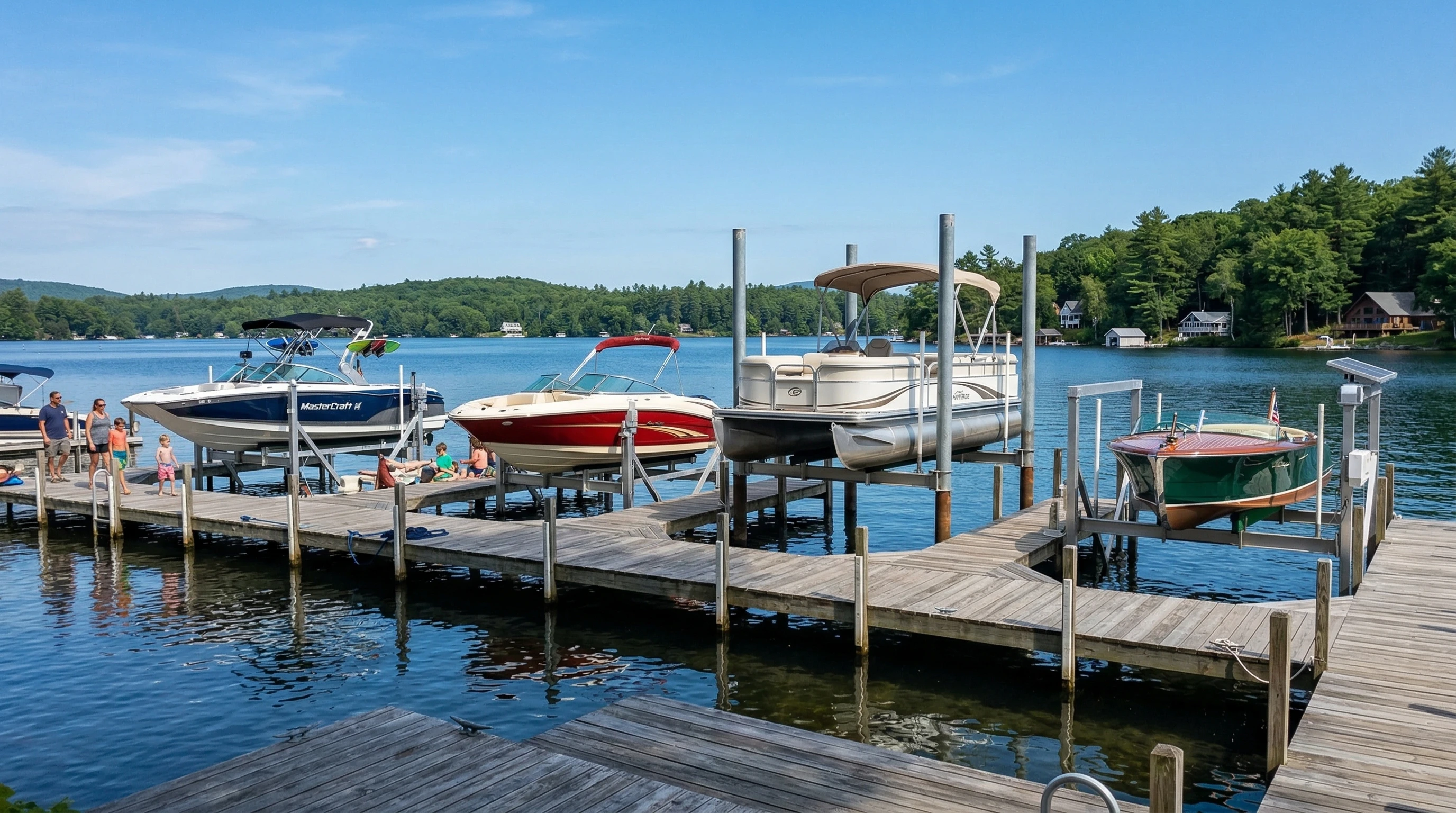
Why a Boat Lift Matters for Everyday Boaters
Storing your boat in the water all the time can lead to hull growth, staining, and corrosion. I ran into these headaches myself before using a lift. Even with routine cleaning, long-term water exposure leads to repairs that could easily be avoided. Boat lifts hold your boat above the water line and keep it ready to go, all while avoiding most typical water-related wear and tear.
Having a lift also makes launching your boat a whole lot smoother. I’ve found that boat lifts cut down docking time, letting me get back to enjoying the water instead of wrestling with ropes or bumpers. If keeping your boat looking good and ready to use is important to you, the right lift truly makes a clear difference. With a proper lift, you’ll also skip a lot of the stress that comes with regular cleaning and repairs caused by leaving your boat docked for days on end. In the end, it’s about protecting your investment and spending more quality time on the water.
Main Types of Boat Lifts
There are several basic types of boat lifts, and which one you pick depends mostly on your boat size, the water depth, and the setup of your dock. Here are the most common options that many boaters choose from:
- Vertical Boat Lifts: These lifts move straight up and down. They work best in areas with fluctuating water levels and are popular in lakes and rivers where shorelines change.
- Cantilever Boat Lifts: Using a lever system, these lifts push backward and upward to raise your boat. They often cost less and have fewer moving parts, which keeps maintenance simple, but work best in shallow water.
- Floating Boat Lifts: Made for deep water or floating docks, these lifts use air chambers to float your boat up or down as needed. They’re especially useful in marinas or locations without a fixed dock.
- Piling Mount Lifts: Attached directly to dock pilings, these lifts stay in a fixed spot and are common in saltwater locations and deep water. They support heavier boats but cost more to install.
Knowing these basic styles makes it easier to match a lift to your waterfront setup. I’ve tried both cantilever and vertical lifts over the years and found that water depth and boat weight are key when deciding which design fits best. Your neighbors or local marina staff can also give good insight into which styles work best for your specific shoreline or lake conditions. Sometimes, what’s common in your area will point you toward the most reliable choice for your needs.
Key Things That Influence Your Boat Lift Choice
Selecting a boat lift seems simple at first glance, but there’s a lot to factor in. Before making any decision, I always look at these main points:
- Boat Weight and Size: All lifts have a set weight capacity. I always check the actual weight of my boat, including fuel, gear, and any extra equipment, to make sure I’m within that limit. I also make sure the lift can handle the length and beam (width) of my boat.
- Water Depth and Bottom Conditions: Shallow water is a good fit for cantilever lifts, while deeper water or soft, muddy bottoms may need a floating or piling mount lift to provide strong support. Experience taught me that ignoring water depth leads to unstable installations.
- Dock Setup: Some lifts are designed to connect to permanent docks, while others float or sit on the lake bed. I check which system will play nicely with the dock I have or plan to build.
- Manual vs. Electric Operation: Manual lifts need effort to operate, which works for lightweight boats but not so much for bigger ones. I switched to electric lifts as my boat got heavier, and now just push a button to raise or lower it.
Other factors like how exposed your dock is to wind and waves, and what type of materials your dock is made of, can also play a role. The environment around your dock can affect the longevity and stability of your boat lift, so take those things into account as well. In the long run, being thorough here will pay off by avoiding costly changes later on.
Step-by-Step: Matching Your Boat and Dock to a Lift
After narrowing down the basic type of lift that works with your dock, I go through this checklist to make sure the fit is right:
- Verify the Actual Boat Weight: I check the boat’s dry weight, then add the average amount of fuel, batteries, and loose gear I typically keep on board. This final number is the real weight the lift will need to hold.
- Measure Dock and Slip Size: It pays to actually measure the slip, dock, and any overhead clearance. I make sure the lift leaves enough room for boarding and for raising the boat out of the water without scraping anything nearby.
- Check for Power at the Dock: If considering an electric lift, I confirm the dock has access to electricity. Some docks don’t have power nearby, so a manual or solarpowered system becomes the best option in that case.
- Ask About Local Conditions: I like to ask neighbors with similar boats what type of lift they use. Getting info from someone who actually uses their lift in the same water saves a lot of headaches.
I found that being a bit extra careful with measurements and weight checks saves me time and money in the long run, especially when it comes to installation and long-term use. Sometimes it helps to speak with a pro for one last check as well. Lifts are an investment, so it’s better to doublecheck details upfront.
Common Boat Lift Features and Accessories
Modern boat lifts come with a bunch of features that add to their value and convenience. Some of the add-ons I recommend include:
- Canopies: Keeping sun and rain off the boat helps prevent fading, cracking, and stains. My canopy has easily doubled how good my boat looks over the seasons.
- Bunk Options: Look for carpeted or adjustable bunks for better hull support. I once owned a lift with basic metal bunks and ended up with scratches along the hull. Upgrading to carpeted bunks was a simple fix.
- Remote Controls: Many electric lifts now offer remote or Bluetooth operation, which is handy when I want to get things ready by myself or when helping others dock their boats.
- Lighting and Safety Features: Options like dock lights and safety rails make it easier and safer to dock or load gear after dark.
These features aren’t always required, but they make life on the water more enjoyable. I suggest thinking about how often you’ll use the lift and during what conditions before picking which upgrades to add in. There are plenty of clever options out there these days, from solar battery chargers to wireless controllers, so shop around for items that fit your boating lifestyle.
Challenges When Selecting and Installing a Boat Lift
Choosing a boat lift isn’t always as straightforward as it seems. Here are a few issues I’ve run into, and worked through with some planning:
- Surprises with Boat Weight: Underestimating the total weight, especially with gear loaded up, can mean paying for modifications later. I always double-check with the manufacturer’s specs and add some room for error, so I don’t have to upgrade unexpectedly.
- Dealing with Water Fluctuations: In regions with strong seasonal water changes (like big lakes), some lifts can get stuck or end up unusable in the dry season. Floating lifts help in these areas, because they adjust to water height automatically.
- Regulations and Permits: Many states require a permit before installing a boat lift, especially for fixed and piling mount systems. I check in with the local marina office or county authorities before locking in any contractor or ordering parts, to avoid costly fines.
Most of these issues get solved with a bit of research and by talking to experienced lift installers. The more local info I have, the smoother the process runs from the start. Keeping an eye out for these common pitfalls will help you sidestep delays and extra costs.
Practical Examples and Use Cases
For someone with a 16foot aluminum fishing boat on a quiet lake, I find a simple cantilever lift provides an affordable, easy to use solution with minimal moving parts and low maintenance needs. On the other hand, a 24foot pontoon in a deep lake or river works better on a vertical or piling mount lift, which carries greater weight and deals easily with water level changes.
I’ve worked with boaters who use floating lifts to handle large wake boats at community marinas, where slip depth isn’t always stable. These lift types make raising and lowering the boat practically effortless, even after long days on the water. It’s important to match your lift style and size to your typical boating routine and location for the best experience season after season.
- Fishing Boats: Favor basic, reliable cantilever or manual vertical lifts for value and simplicity.
- Pontoon Boats: Success depends mostly on getting a wide enough bunk system. I advise double-checking bunk adjustability to avoid future headaches.
- Wake Boats and Heavy Cruisers: Use piling, vertical, or floating lifts with a solid electric system for higher weight and big hulls, to make docking safe and easy even in less than ideal weather conditions.
Frequently Asked Questions
Question: How do I know what size boat lift I need?
Answer: The best way is to weigh your boat fully loaded and measure the full length and width. Always go a bit higher in weight capacity for added safety and to cover possible future upgrades.
Question: Can I install a boat lift myself?
Answer: Some lifts, like basic cantilever models, are DIY friendly if you have experience with tools and docks. For electric, piling, or floating lifts, or when dealing with tricky shorelines, I usually hire a professional to avoid costly mistakes and ensure a safe setup.
Question: Are boat lift permits required everywhere?
Answer: Not everywhere, but most public lakes, rivers, and coastal areas require some type of permission or permit for permanent installations. I always check with the local marina or county to avoid extra fees or legal issues—getting this sorted before installation avoids problems down the line.
A good boat lift fits the boat, the water, and your day-to-day needs. Taking a little extra time to research and plan helps keep your boat safer, cleaner, and ready for more eye-catching adventures for years to come.