
If you live near water, you probably know that a seawall protects your property from erosion, flooding, and storm damage. Over time, seawalls need repairs or even full replacements to keep doing their job. Picking the right seawall contractor goes beyond finding someone with a couple of tools. It’s about trusting your safety, property, and investment to someone with the proper know-how.
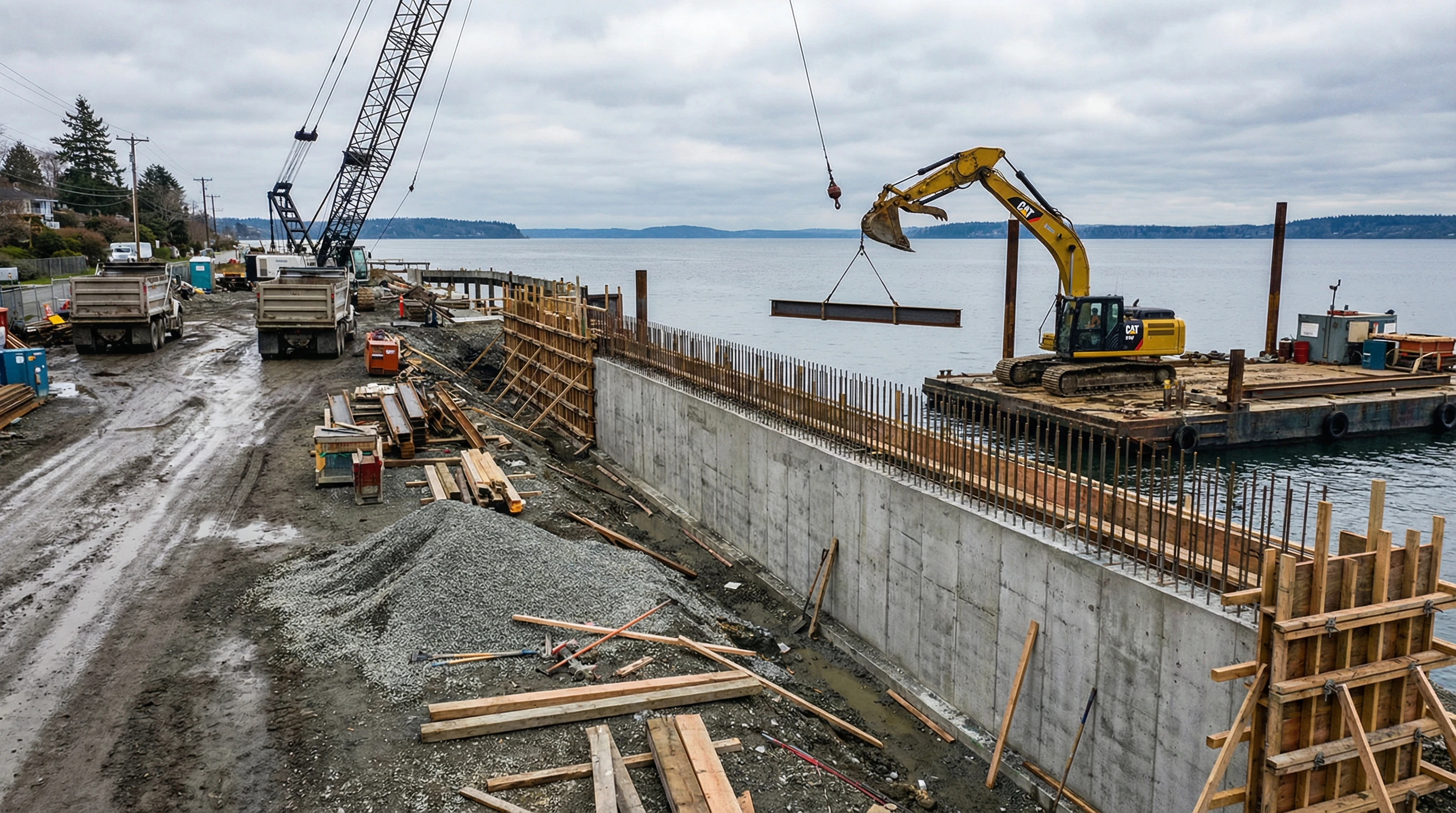
Why a Reliable Seawall Contractor Matters
Choosing a seawall contractor with real experience and expertise can have a big impact on whether your seawall stands firm over the years. Quality workmanship helps your wall hold up through storms, tides, and changing water levels. A poorly built or patched wall might fail sooner, leading to more damage and higher future costs. When my neighbor went cheap on their repairs a few years ago, their seawall washed out during the first bad storm, and the flood ruined their yard. That situation taught me how important it is to check a contractor’s background before making any decisions.
Seawall construction standards have changed over the years. Where basic concrete blocks or wooden planks were once common, many contractors now use vinyl, steel, or composite materials for added longevity. Understanding these changes helps homeowners know what questions to ask and what solutions could be best for their property. Local guidelines sometimes require specific materials due to environmental protections, so it’s good to know what’s allowed in your area. If you aren’t sure, a reputable contractor should have the most current information.
Having a sturdy seawall isn’t just about peace of mind—it can also boost your property value. Local buyers often ask about waterfront protection. Real estate agents have shared that well-maintained seawalls with up-to-date materials can make a difference when it comes time to sell.
How to Start Your Search for the Right Contractor
Before making calls, I find it really helpful to figure out what I need: repairs, a replacement, or a brand new seawall. This affects which contractors to look at and what kinds of questions I ask. For major projects, it’s best to find specialists who focus on marine construction, not just general home contractors.
Here are some steps I find useful:
- Ask Around: Trusted friends, neighbors, or local marinas often have good recommendations if they’ve had work done recently.
- Check Online Reviews: Reviews on Google, Yelp, or Angie’s List can reveal patterns about reliability and quality.
- Look at Local Listings: Many municipalities provide lists of licensed and insured contractors for marine work.
After narrowing my search, I usually check if the company is licensed, carries the correct insurance, and has experience with local soil and water conditions. Local expertise really matters, since every coastline can be a little different. In my experience, contractors familiar with the unique challenges of your shoreline can make a world of difference when it comes to repairs or full installations.
Key Questions to Ask a Seawall Contractor
I always set up in-person meetings or calls with my finalists. Here are questions I like to ask, to make sure I’m getting someone qualified and reliable:
- How many years have you been building seawalls in this area?
- Can you share recent references or completed projects like mine?
- What materials do you recommend, and why?
- What sort of warranty or maintenance support do you provide?
- How do you handle permits and local approval processes?
- What’s your crew’s typical size, and do you use subcontractors?
- How do you handle unexpected issues or delays—are there extra fees?
I always take notes so I can compare answers later and spot any red flags or differences. A reliable contractor should answer these questions clearly and confidently. Don’t hesitate to ask follow-up questions if their responses seem vague or incomplete—clear details give you a better idea of what to expect.
Comparing Seawall Construction Materials
The type of material you use for your seawall affects the price, looks, and how long it will last. My area shifted away from wood years ago because it rots in salty air and attracts bugs. Here is a quick breakdown of popular options:
- Concrete: Lasts a long time when installed correctly, but can crack in shifting ground and might need repairs in a couple of decades.
- Vinyl or PVC: Resists rot and rust, easy to install, and good for moderate erosion. Usually comes with warranties up to 50 years.
- Steel: Very strong and used for walls that need to hold back a lot of water, but can rust over time unless coated well.
- Composite: Made from recycled plastics and fibers, these walls balance durability and look without much maintenance.
- Natural (Riprap or Boulders): Looks natural and is great for mild shorelines but doesn’t always work where tides are high or current is strong.
Each type comes with trade-offs in cost, installation time, appearance, and how well it withstands local weather. When talking with contractors, I ask them for real-world examples of each material on properties like mine so I can better picture how they’ll perform. A walk along your neighborhood waterfront can also give you a visual sense of how different materials age in your local climate.
Common Mistakes When Choosing a Seawall Contractor
Buying on price alone is a common pitfall. It’s tempting to go with the lowest bid, but sometimes that means corners get cut, or the crew lacks real skill. I almost made this mistake myself until I asked for references and saw that the cheaper contractor used fewer pilings and didn’t prepare the foundation well. Choosing someone with the right certifications and insurance is really important too, since marine jobs have higher risks than regular landscaping or fence work.
- Skipping Written Agreements: Always get a detailed proposal that spells out materials, labor, timelines, and costs. If a contractor is hesitant about giving things in writing, that’s a sign to keep looking.
- Ignoring Permits: Local agencies usually inspect seawall projects. Contractors who skip permits could land you in legal trouble later on. Proper paperwork can also help if you need to deal with insurance in the future.
- Not Checking Past Work: A contractor might talk a good game but seeing recent jobs in person gives me peace of mind. If possible, go check out at least one completed project in your neighborhood.
Other mistakes include not asking about post-installation support or maintenance agreements. It’s also important to clarify how disputes will be handled if something doesn’t go as planned.
Project Timelines and What to Expect During Construction
Most seawall projects don’t happen overnight. Between getting bids, permits, and waiting for good weather, schedules can stretch from a couple of weeks to a few months. Reliable contractors are clear about their timelines and keep me in the loop throughout. During my last repair, I found that delays usually come from surprise issues under the old wall or while waiting on special order materials.
Good contractors explain the steps involved: designing the wall, getting permits, prepping the shoreline, driving pilings, building the main structure, backfilling, and cleaning up. I always ask for a daily or weekly update, and I make sure the yard, neighbors, and access points stay as undisturbed as possible while work is happening. Knowing the general sequence of work lets you plan ahead—you might need to move boats, outdoor furniture, or landscaping before construction starts.
Seawall Maintenance Tips After Construction
Once the seawall is in place, the contractor should show me how to keep it in great shape. Simple maintenance usually involves checking for cracks, leaks, shifting soil, or rust. I also keep an eye on drainage systems because blocked drains often lead to erosion behind the wall. Scheduling a yearly inspection with the contractor keeps small issues from turning into big problems. If storms are expected, I inspect after rough weather, just in case.
Beyond the basics, some contractors recommend using ecofriendly landscaping near your seawall to reduce runoff and soil loss. Regularly trimming back shrubs or roots can also prevent cracks, and making sure heavy items or vehicles stay clear of the seawall helps avoid unexpected damage. Little habits like these can add years to your wall’s service life.
Frequently Asked Questions About Hiring a Seawall Contractor
Over time, people have shared common questions with me:
Question: How do I know if my seawall needs repairs or full replacement?
Answer: Look for obvious cracks, leaning, soil erosion behind the wall, or visible rust. If issues are widespread or the wall is more than 30 years old, ask a contractor for a professional opinion.
Question: Will the contractor handle all permits and approvals?
Answer: Most reliable contractors manage the local paperwork for you, but I always double-check before signing anything. If they expect you to do it, consider finding someone else.
Question: How long does a new seawall typically last?
Answer: Well-built concrete or vinyl seawalls can easily last 30-50 years with proper care. Cheaper materials or rushed jobs may need major repairs much sooner.
Question: What can I do to spot problems early?
Answer: Walk along your seawall every few months looking for bulges, cracks, or soil settling on either side. Early action saves money in the long run.
Final Thoughts
Choosing a seawall contractor is a big decision when you live near water. I focus on companies with strong reputations, proper licensing, and experience with my local shoreline. Having a detailed plan, asking questions, and staying involved during the project helps me get results I can trust for decades. Taking time now can save huge headaches and expenses down the line, and keeping my property protected no matter what the tide brings in.