Seawalls play a really important role in protecting waterfront properties from erosion and flooding. When a seawall starts to show signs of age or damage, property owners are often faced with a key decision: should I tackle repairs myself or call a professional? My goal here is to help you understand the differences between DIY and professional seawall repair approaches, so you can decide what makes sense for your situation.
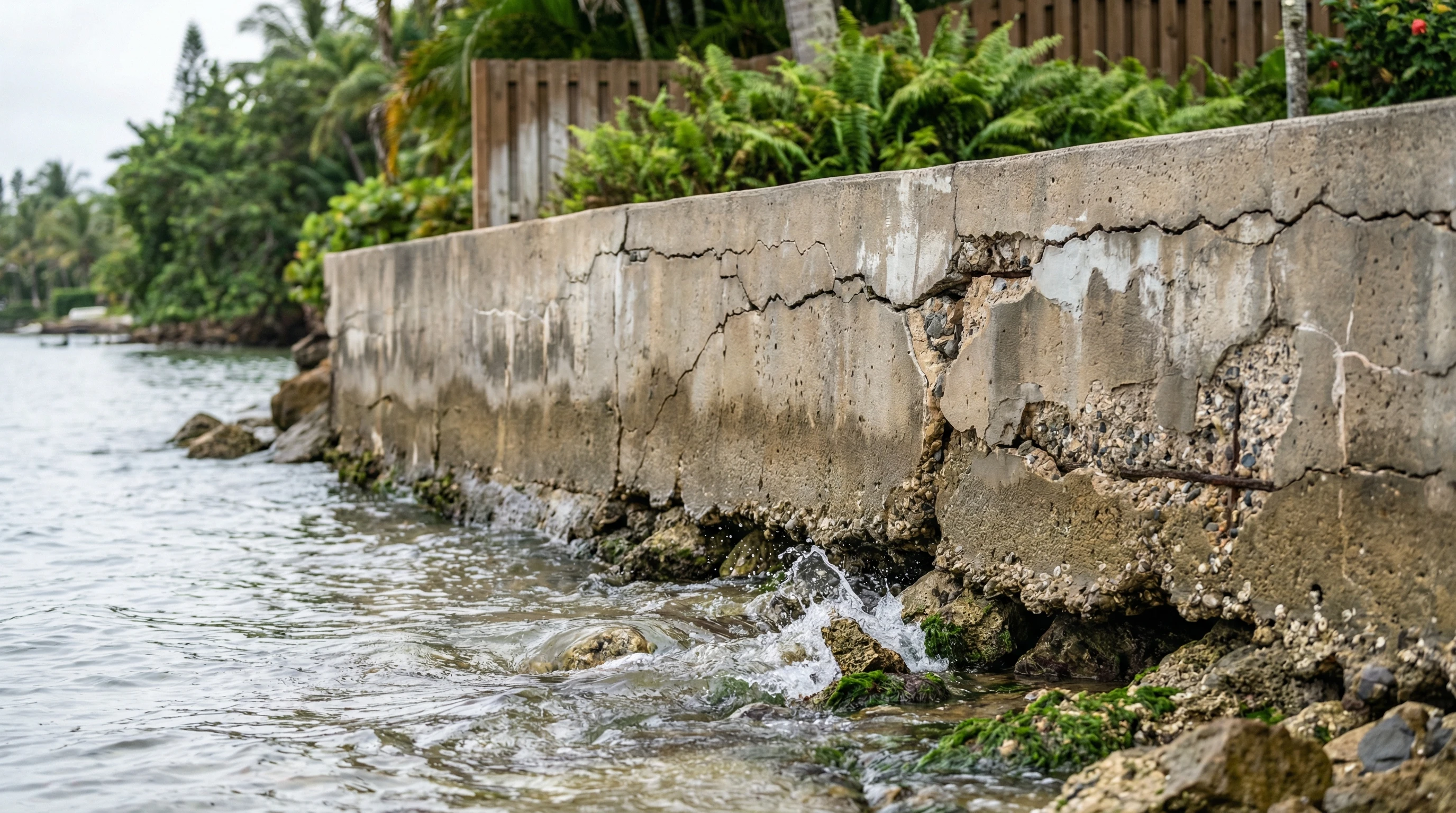
Why Seawall Repair Matters
Seawalls are structures built along coastlines and waterfronts to keep soil in place and prevent land erosion. Over time, regular exposure to waves, tides, and even small storms can cause wear and tear. If cracks, leaning sections, or holes develop, delaying repairs can put your property at risk. Acting early usually saves both time and money in the long run.
I’ve seen property values dip and nearby landscapes change when seawall problems aren’t addressed quickly. That’s why understanding your repair options is super important before issues get worse. Taking care of a seawall now often reduces headaches that might come up later. Small fixes can keep the rest of your waterfront landscape undisturbed, helping you avoid expensive re-landscaping or property value loss down the road.
Signs Your Seawall Needs Repair
Some signs of seawall problems are easy to spot, while others can sneak up on you. Here are a few things I always keep an eye out for:
- Visible Cracks or Gaps: Even small cracks can quickly grow if ignored.
- Leaning or Bowing: Sections that aren’t upright usually mean soil and water pressure is pushing behind the wall.
- Soil Loss: If you notice sinkholes, soil washout, or plants dying near the base, water might be slipping through or under the wall.
- Rust Stains or Exposed Metal: Corroded tiebacks and steel rods are a warning sign for many seawalls.
- Water Pooling: Puddles or standing water behind the wall can show drainage issues.
Spotting these early lets you choose between a basic repair or calling in backup for something more serious. In some cases, even minor problems like discoloration or a slight misalignment could be the first signs that your seawall’s structure needs attention.
DIY Seawall Repairs: What’s Possible?
Making simple repairs by yourself can feel rewarding and save money. I’ve handled a few small fixes on my own seawall, especially when problems were minor. DIY methods might work well for:
- Filling Small Cracks: Marine-grade epoxy or cement can patch small cracks if caught early.
- Patch Kits for Concrete or Vinyl Walls: Many home improvement stores have readymade kits for surface level damage.
- Replacing Minor Hardware: Tightening or swapping out the odd bolt or tierod may not need a professional, as long as structural damage isn’t present.
- Installing New Drainage Holes: Sometimes, adding relief holes or clearing out clogged ones can solve water buildup problems.
DIY repairs often require work during low tide and careful use of safety equipment, such as gloves, boots, and sometimes even a life vest. I’ve found that knowing my physical limits and the tools required keeps me from tackling jobs that might be a step too far. For example, working with heavy stones or driving lengthy anchor rods probably means you need more muscle and experience than most DIYers have. It’s also a good idea to ask for help from a friend or family member when lifting or moving large pieces.
Professional Seawall Repair: What the Pros Handle
When repair needs go beyond basic fixes, calling in a professional makes a lot of sense. I’ve worked with experts a few times, and the peace of mind from having a job done right is hard to beat. Here are situations where a pro is probably your best option:
- Major Structural Damage: If large sections are leaning, have collapsed, or serious erosion is visible, professionals use special equipment and materials not available to the average DIYer.
- Complete Replacement or Rebuilding: Professionals handle entire wall rebuilds, footing repairs, or replacement with new materials.
- Foundation Problems: If soil is washing out under the wall, you might need subsurface work or advanced techniques like pressure grouting.
- Engineering Assessments: Sometimes, local codes require engineer reports or permits, which a contractor arranges and provides.
- Persistent Water Issues: Professional solutions can involve reengineering drainage with better technology than off the shelf options.
Most professionals guarantee their work and use long lasting materials, which gives property owners some security. Licensed contractors also carry insurance, which protects you if something doesn’t go as planned. Often, professional repairs mean a thorough assessment by an engineer, making sure the seawall is designed for your property’s unique shoreline and water conditions.
Pros and Cons of DIY Vs Professional Repairs
I usually weigh costs, effort, and my longterm goals before making a decision. Here’s a quick comparison based on my experience and research:
DIY Repairs
- Lower Upfront Cost: You can often fix small issues for the cost of materials and a few hours of work.
- Learning Opportunity: DIY repairs can teach valuable skills, but might require learning about seawall materials and marine safety.
- Tools and Safety: Rental tools are sometimes needed, and working over water means extra caution about slips and accidents.
- Risk of Incomplete Repair: If the root cause isn’t found, the problem can keep coming back or become worse down the line.
Professional Repairs
- Expertise: Contractors use specialized knowledge and equipment to get repairs done faster and more reliably.
- Warranty and Insurance: Most professionals provide guarantees so you’re not stuck with surprise costs if issues return.
- Time Savings: They can often finish jobs that would take me a week or longer in just a couple of days.
- Higher Price Tag: Labor and material costs for pros are generally much higher, especially for extensive repairs.
Weighing these can help you decide which style works for your property, your schedule, and your comfort level.
What to Think About Before Starting a DIY Repair
I’ve learned that planning is really important. Here are some extra factors that I always check before lifting a hammer or buying supplies:
- Permits and Local Rules: Some communities have strict rules for working on structures in or near water. Check with your city or county before you begin.
- Material Compatibility: Not all fillers, patch kits, or fasteners work for every seawall type. Always look at the manufacturer’s recommendations.
- Weather and Tides: Most work should be done at low tide and on dry days to avoid dangerous conditions and wasted effort.
- Longterm Durability: A DIY fix might hold for a season, but professional grade repairs often last much longer. Estimate how long you need the repair to last.
Taking a careful approach means the time and money you spend isn’t wasted. You may want to keep a maintenance journal so you remember when you’ve done checks or repairs, making it easier to spot trends over time. Revisit your repairs regularly, especially after storms or big weather events.
Common Questions About Seawall Repairs
There are always a few things I hear most from neighbors and friends who live by the water. Here are some answers based on my own experience and advice from contractors:
Question: Can I repair any seawall by myself?
Answer: Small cracks or surface issues are possible for homeowners with the right tools, materials, and safety gear. For bigger problems or any sign of failing support, a professional assessment is a good idea.
Question: How much do professional repairs cost?
Answer: It depends on the material (concrete, vinyl, wood, or steel) and the size of the job. Minor patch work may be a few hundred dollars, while full replacements often climb into the thousands. Always get several quotes.
Question: What causes most seawall failures?
Answer: Age, storm damage, poor drainage, and improper installation are top causes. Regular inspection and good drainage extend a wall’s life.
Question: How often should I inspect my seawall?
Answer: I do a thorough check at least once a year, and after big storms. Early detection usually means simpler repairs. If you live somewhere with rapidly changing water levels, consider doing more frequent inspections as conditions demand.
RealWorld Examples and When to Get Help
Years ago, I patched a hairline crack with marine epoxy. The work went smoothly, and the wall held up for several more years. But a neighbor who ignored a bowing section ended up needing a full replacement after a winter storm washed out the soil. That repair took weeks and cost far more than a quick call to a contractor would have. Bringing in professionals earlier could have protected the property and saved money.
- DIY repairs work best for: Small cracks, sealing surface gaps, minor hardware swaps, and clearing/weeping holes.
- Professional repairs are best for: Major cracks, leaning walls, severe soil loss, foundation issues, or anything that raises safety concerns.
Experience helps homeowners recognize the early signs, but professionals are ready for bigger challenges. Ask your neighbors about their experiences and take notes—sometimes lessons learned from others help make a better plan for your own repairs. Pay attention to the local climate, water activity, and how these might affect your specific type of seawall. Frequently, regular preventive maintenance and small touchups slow down the need for major overhauls.
Making the Right Choice for Your Seawall
The best repair approach depends on the state of your seawall, your budget, time, and experience level. Minor repairs are often manageable and budgetfriendly for those comfortable with handson work. But, when safety, property value, or serious damage is involved, working with a contractor often pays off.
Deciding between DIY and professional seawall repairs keeps your waterfront property safe and the shoreline in shape for years to come. Regular checks, careful planning, and knowing when to call a pro all help extend the life of your investment. By keeping an eye out for warning signs and acting quickly, you step up your odds of maintaining not only your property but also your peace of mind for years to come.