Hiring a seawall contractor nearby can be a big decision, especially when trying to understand what goes into the overall cost. Building or repairing a seawall is a major investment in safeguarding your property from erosion, flooding, and water damage. Having gone through this process myself, I’ve learned how important it is to be aware of the many different factors that can influence how much you pay.
What Goes Into the Cost of Hiring a Seawall Contractor?
Getting a clear price for a seawall job isn’t as simple as quoting a flat rate per foot. The costs can change quite a bit depending on where your property is, how challenging the shoreline conditions are, and what sort of wall you need. In my own experience, two neighbors living just a block apart on the same lake ended up with quotes that differed by thousands of dollars, mostly because of access, soil, and material choices.
Careful research helps buyers make informed decisions, so it’s really important to know the different elements that contractors look at when preparing their estimates. Talking through each of these points helps you understand where your money is going and where you might have some choices.
Key Cost Factors for Seawall Construction
- Material Choice: The type of material you select can have a massive effect on your budget. Vinyl, concrete, steel, and natural stone all come with different price tags and maintenance needs.
- Wall Height and Length: The bigger the wall, the more it costs. Both height and length contribute directly to how much material and labor is needed.
- Site Accessibility: If contractors need special equipment or have trouble getting to your shoreline, expect the labor costs to go up. Tight spaces and steep banks usually cost more than flat, open lots.
- Soil and Water Conditions: Unstable soil, high water tables, or areas with strong wave action may require extra engineering or deeper foundations, adding to the price.
- Permitting and Inspection Fees: Local regulations might require permits and inspections, each adding fees that are sometimes easy to overlook at first.
- Demolition of Old Structures: If there’s an existing seawall that needs removal, include the cost of demolition and disposal in your calculations.
Material Options and Their Impact on Cost
Material is probably one of the first choices you’ll make with your contractor, and it really shapes your final price. Here’s a breakdown based on what I experienced and what local contractors discuss most often.
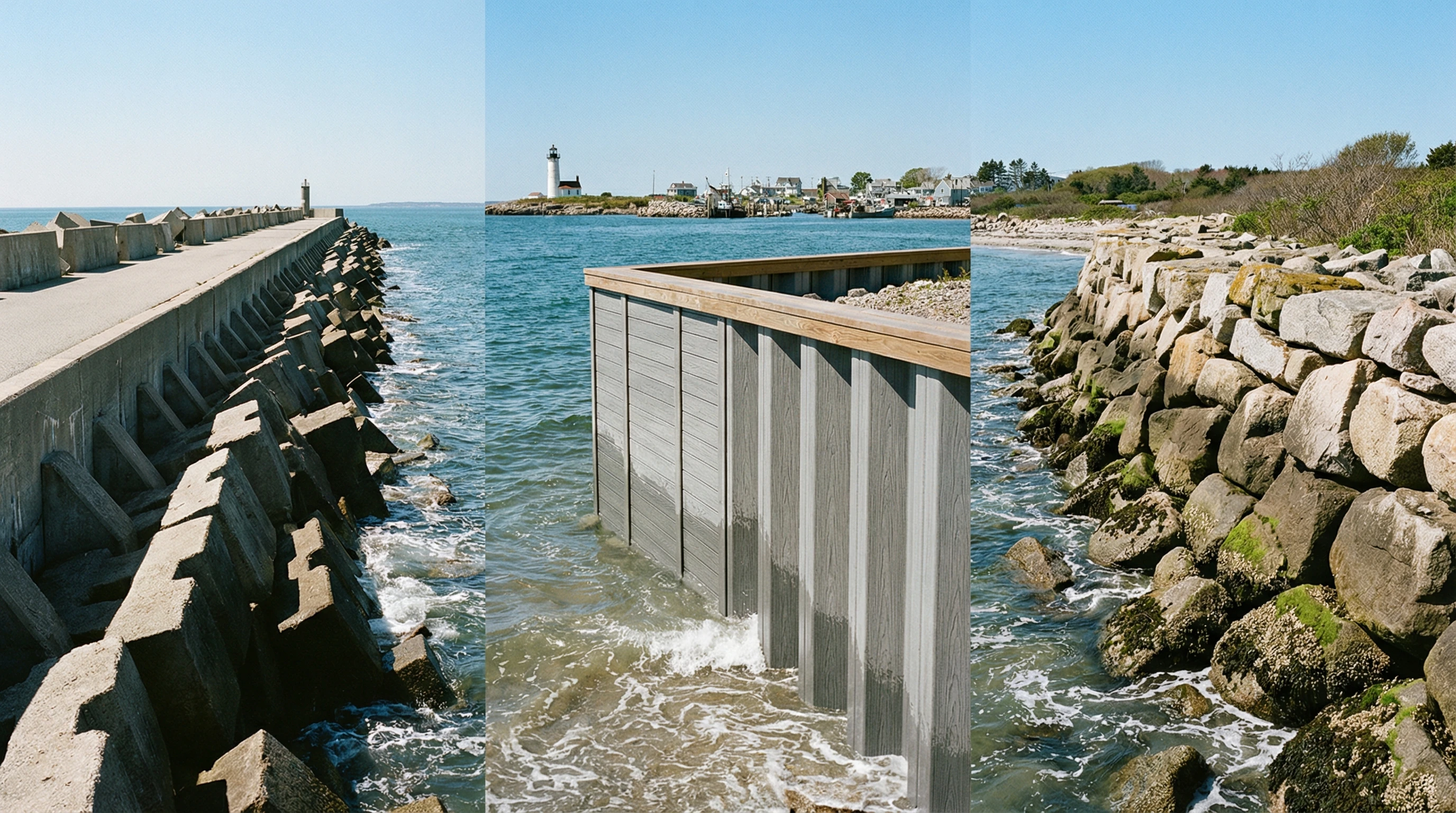
- Vinyl: Vinyl seawalls are popular for lakefront or calmwater properties because they are resistant to rot and corrosion. They tend to be one of the more affordable options, although prices rise as thickness and reinforcements increase. Installation goes relatively quickly, which can save a bit on labor.
- Concrete: Concrete costs more up front but lasts a long time, making it good for coastal areas with strong waves. Installing concrete takes more time and equipment, leading to higher labor costs. Repairs can be a little tricky if cracks develop, though regular maintenance helps.
- Steel: Steel is usually the priciest option but provides serious strength. It’s common on larger lakes or commercial properties where durability is a top concern. While steel lasts a long time, it can rust unless properly coated.
- Natural Stone and Riprap: This choice blends in with the environment and is often used when local ordinances require a natural look. While smaller stones (riprap) are cheaper, larger boulders or custom masonry can add up fast. Maintenance and adjustments may be needed if the rocks shift over time.
Labor and Site Preparation Costs
After materials, labor takes up the next biggest chunk of your budget. Based on what I learned from hiring local contractors, preparation work and labor hours can vary a lot from project to project.
- Excavation and Grading: Some properties need just a little work to prepare, while others might require major excavation to level the ground and support the wall.
- Access Challenges: If trucks or equipment can’t get close to the shoreline, you might have extra costs for barges, smaller equipment, or hand-carrying materials.
- Specialized Crews: Experienced workers can make a difference in project quality, but they cost more per hour. In my case, I paid more for a crew with local experience, but their work held up better during storms.
- Time of Year: Contractors often charge more during peak building seasons. Scheduling your work outside the busiest months, when possible, can help save a bit.
Permits, Engineering, and Inspections
I quickly learned that you can’t just start building a seawall without getting city or county approval. Most areas require permits, and some even ask for engineering studies or environmental impact assessments, especially on larger bodies of water.
- Permitting Fees: These range from around $100 to several thousand dollars, depending on the location and project size.
- Engineering Plans: If your site is complicated or has unique features, a licensed engineer might need to develop custom plans, which adds another line to your budget.
- Inspections: Inspection fees aren’t huge, but you need to budget for them. Sometimes, multiple inspections are required at different stages of the build.
It’s a wise idea to ask contractors if they’ll handle permits for you, or if you need to take care of paperwork yourself. Fees, time needed for approval, and specific requirements can vary widely from one jurisdiction to another.
Hidden or Overlooked Costs
Every project has surprises. In my case, a hidden layer of clay beneath some sand caused our contractor to dig deeper and bring in extra support, bumping up both the time and cost. Here are some common unexpected expenses:
- Discovery of debris or large buried objects that must be removed
- Higher than expected dump fees for demolition or soil
- Additional erosion control materials, such as extra filter fabric or backfill
- Landscaping repairs after the wall installation is finished
I always suggest setting aside a contingency budget—around 10 to 15 percent of the original estimate—for any surprises or small changes you decide on after work begins. It might feel unnecessary, but you’ll appreciate the cushion if something unexpected pops up. Even your contractor will probably thank you for factoring in some wiggle room, because rarely does a project run exactly as planned.
Maintenance and Long-Term Care Costs
Even the sturdiest seawalls need attention over time. Regular inspections, minor repairs, and cleaning help bumps down longterm expenses. Some materials, like vinyl and concrete, require very little maintenance. Others, such as stone, might need occasional repositioning. Reinforcing washes or making small crack repairs early can prevent bigger, costlier problems down the road.
In addition to quick repairs, scheduling a routine inspection every couple of years is smart. An expert can pick up on early warning signs before they become big problems. Things like checking for loose stones, gaps, or cracks can help you avoid emergency fixes later on. This proactive approach protects your initial investment for the long run and makes budgeting for repairs easier, too.
Practical Tips for Managing Seawall Costs
- Get Multiple Quotes: I always suggest asking for at least three bids from reputable nearby contractors. Detailed estimates help you spot big price differences and ask follow-up questions.
- Check Experience and References: Contractors with strong local knowledge can anticipate hidden costs better, which may help you save money over time even when their quote seems a bit higher at first.
- Be Clear About Your Needs: Making design changes mid project can drive up costs, so say it clearly early on.
- Ask About Phase Construction: If you’re on a tight budget, see if your project could be split into phases or managed in stages without risking shoreline damage.
Another helpful tip is to ask your chosen contractor if certain materials or construction techniques might save you money in the long run. Sometimes a small upfront investment can mean a lot lower maintenance costs down the road. Compare options based not just on price today but on how long they’ll last and what they’ll cost you over time. Thinking this way can really help you make the best choice for your property and wallet.
Frequently Asked Questions
How much does a seawall usually cost per foot?
Costs vary a lot, but most residential seawalls fall between $100 and $800 per foot, depending on material, location, and access challenges. Always get a detailed quote that breaks down all costs.
Do I need a permit for a new or replacement seawall?
Yes, almost every area requires permits for new construction or major repairs. Failing to get the correct permits can mean fines or even a stopwork order. Local seawall contractors can help walk you through what’s required.
Can I save money by doing some of the work myself?
Some property owners choose to handle demolition or minor site prep to save on labor. Just make sure your contractor agrees and that you don’t compromise any warranty or code requirements.
How long does a seawall last?
With proper care, vinyl and concrete typically last 30 to 50 years. Steel might last even longer if properly protected from rust. Natural stone varies, but maintenance every few years is common.
Wrapping Up
Hiring a seawall contractor brings up many decisions, each shaping the final cost of your shoreline project. Asking questions, getting detailed estimates, and planning for both the visible and hidden costs can help you move forward with confidence. My own experience taught me the value of patience, preparation, and trusting local experts to guide each step. Doing the legwork up front really pays off in lasting shoreline protection you can count on.