
Choosing the right materials for seawall construction really matters if, like me, you want to keep waterfront property safe from erosion, wave action, and changing water levels. Seawalls are practical barriers that shield land, prevent flooding, and often support walkways or recreation areas. I notice that the materials picked for a seawall shape how well it stands up over time, what kind of upkeep it will need, and how it fits into the coastal environment. Here, I’m going through the most common materials used in seawall construction and why they’re chosen for different projects.
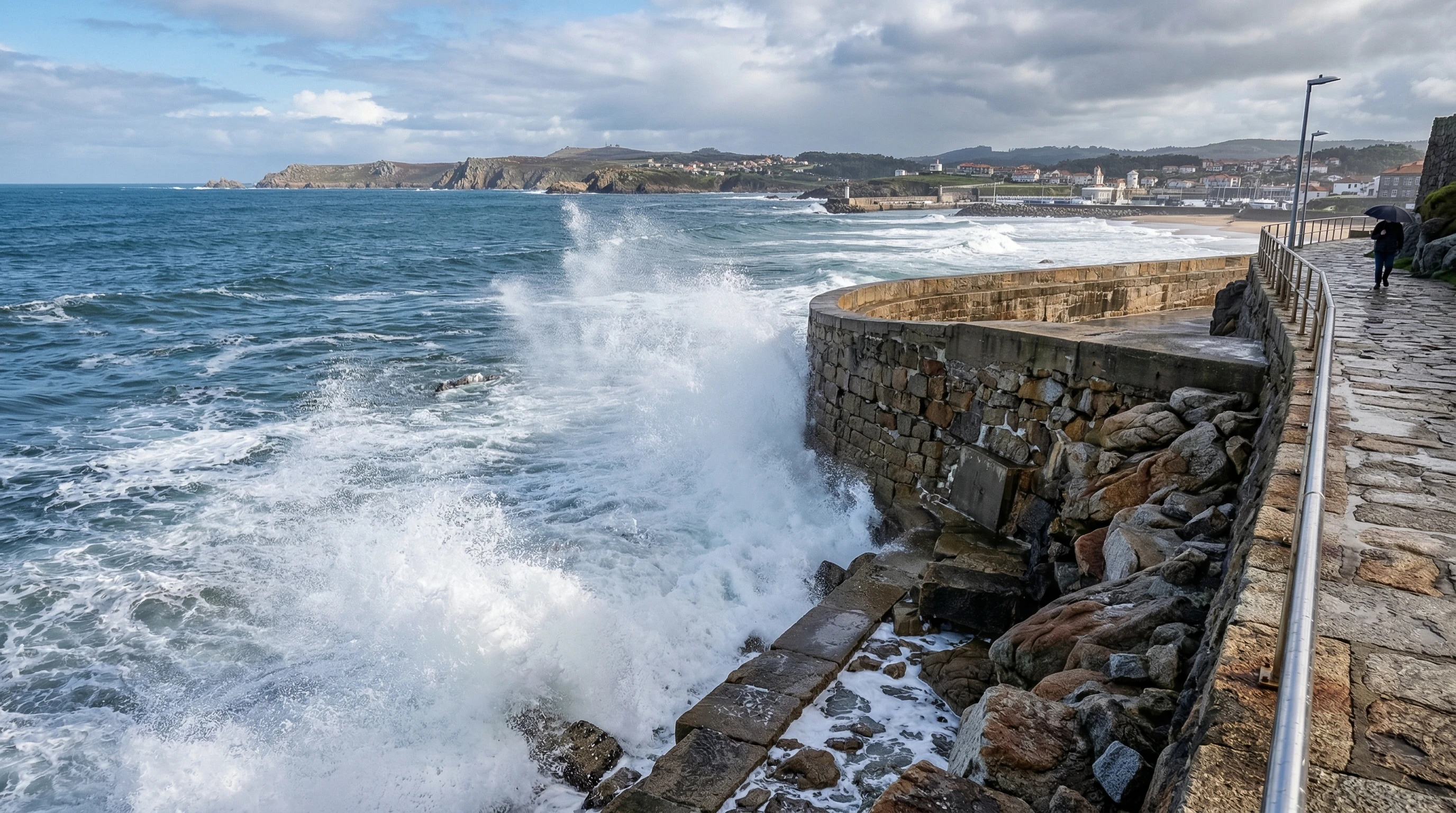
Why Material Matters for Seawalls
Seawalls are built to take quite a beating. From the moment they’re in place, they face constant pressure from tides, saltwater, and sometimes heavy storms. The choice of materials can affect not just the wall’s life but also its repair costs and impact on the local ecosystem. While some materials last for decades with little maintenance, others might need regular attention. What works in one spot might not suit another, especially with factors like local weather, soil type, and what’s around the site to consider.
Main Types of Seawall Materials
Most seawalls use one or more of these materials, each with their own strengths, drawbacks, and typical uses. Here’s my take on the main options you’ll likely come across:
- Concrete: Very popular for its strength and durability. Can be poured in place or made from precast panels.
- Steel: Used as sheet piles or panels driven deep into the soil for support. Great for vertical seawalls.
- Vinyl or PVC: Lightweight, flexible, and resistant to corrosion. Usually seen in residential or low impact areas.
- Wood: Traditional material especially in older or smaller seawalls. Can rot over time unless treated well.
- Rock (Riprap): Large stones or boulders placed on the shoreline. Absorbs energy and looks natural.
- Composite Materials: Mix of fiberglass, resin, and sometimes recycled plastics. Offers a middle ground between PVC and steel.
Concrete Seawalls: The Reliable Choice
Concrete often comes up as a top choice in seawall construction because it’s long lasting, strong, and relatively easy to shape into different designs. I see it most often in commercial, municipal, or high traffic waterfronts where a long lifespan is really important. Concrete can stand up to repeated wave pounding much better than most materials, and it needs very little day-to-day attention once finished.
Sometimes, contractors use precast concrete panels for quick assembly, and other times, they pour the concrete right on site to form a continuous barrier. Adding reinforcing rebar helps the wall handle both the water pressure and any shifting soils behind it. Still, concrete can suffer from cracking due to settling or freeze thaw cycles, so regular inspection goes a long way in extending its life.
Many modern seawall installations combine classic concrete with newer sealing techniques that prevent saltwater intrusion. These treatments protect reinforcing steel rods, extending the durability of the wall even further. Also, the adaptability of concrete means it’s possible to fit waterfronts of all shapes and sizes. When designed properly, concrete allows for creative touches too, as architects sometimes opt for textured or patterned finishes that blend in with the local scenery while adding an extra layer of protection.
Steel Seawalls: Best for Tough Conditions
Steel is another go-to option, especially where soil conditions require deep anchoring or heavy duty support. I find steel sheet piling is used a lot in busy ports, industrial sites, or marinas where a seawall needs to be extra tall and strong. Steel is driven deep into the soil, creating a sturdy, vertical barrier that resists high water pressure and erosion.
Galvanizing or adding a coating can help protect the steel from rust, but saltwater will eventually eat away at most exposed metal. With good maintenance, though, steel can last for decades. Corrosion is the main reason regular inspections are so important if you choose this route. In places with less aggressive conditions or freshwater sites, steel can sometimes last longer before needing attention. On the design side, steel can be shaped into curved, angular, or even stepped sea barriers, making it a smart pick for handling unique site challenges.
Vinyl and PVC Seawalls: Lightweight and Easy
Vinyl and PVC (plastic based materials) seawalls have gained serious traction for their ability to resist rot, rust, and marine borers. They’re lighter to move around than concrete or steel, which lowers shipping and installation costs. I’ve seen vinyl panels used in lakefront or canal settings where the demand isn’t extreme, but where the look and low upkeep matter.
One thing to keep in mind is that vinyl might not suit areas with heavy boat traffic or powerful wave energy, as it doesn’t have the brute strength of concrete or steel. However, for private homes, small businesses, or inland waterways, these walls last a long time without fading, peeling, or corroding. Checking the warranty gives a better idea of how long you can expect them to last. Another plus of vinyl and PVC is the variety of finishes and colors available, allowing the end result to mesh smoothly with landscaping or neighborhood aesthetics.
Wood Seawalls: Classic Appeal, Limited Lifetime
Wood shows up in many older seawalls, especially near historic docks, rivers, or small lakes. It’s easy to work with and gives a natural look that many waterfront property owners find appealing. Pressure treated timbers are standard practice now, and they help slow down the decay caused by water, insects, and fungi.
Still, wood wears out faster than other materials. I tell people to expect regular repairs and a shorter overall life, often 15 to 30 years if the seawall is well maintained. In saltwater, marine borers can attack wood and cause it to fail sooner unless special treatments or barriers are used. People drawn to wood should budget for routine inspection and repairs along the way. In some areas, local regulations also encourage environmentally friendly wood preservatives to help ease up on chemical runoff to nearby waterways.
Rock and Riprap: Natural Energy Absorption
Riprap isn’t really a wall in the traditional sense, but it’s a super effective shoreline protection method. Large stones, rocks, or boulders are placed along the shore to break up and absorb wave energy. This approach is hard to beat for preventing erosion while blending in to look like a natural outcrop.
I find riprap a favorite choice for parks, rivers, lakeshores, and spots near wildlife habitats. It encourages plants and animals to move in between the stones, supporting natural ecosystems. Occasional repairs are needed if stones shift or settle, but generally, riprap asks for less maintenance than vertical seawalls. In heavy storms, though, extreme waves can sometimes move smaller rocks out of place, so choosing the right size and placement is important for long-term success. Riprap’s flexibility also means it can adapt to shifting soils and modest sea level changes better than concrete or steel installations.
Composite Seawalls: Innovation in Coastal Protection
Composite seawalls combine fiberglass, resin, and recycled plastics for a resilient, corrosion proof panel that stands up well to salt, sun, and shifting soils. These materials are catching on quick as options for both new projects and repairs or upgrades to old seawalls. Their flexibility and light weight make shipping and handling manageable, even on tricky job sites.
With composite panels, I see fewer worries about rust or rot. You often see long manufacturer warranties, which is appealing for property owners thinking long term. This is a more modern option, so costs might be a bit higher than wood or basic vinyl, but they generally need less maintenance over time. Composite seawalls are also a greener solution since they blend in recycled materials and can often be reused or repurposed at the end of their initial lifespan.
Factors to Keep in Mind When Choosing Seawall Materials
I always recommend considering a few practical details before landing on a material:
- Wave and Water Conditions: The bigger the waves and more frequent the tides, the stronger you’ll want your wall to be. Concrete, steel, and riprap work best in tough conditions.
- Environmental Impact: Look at how the wall changes local habitats, fish migration paths, and water movement. Riprap and composite walls generally create less disruption.
- Maintenance Needs: Wood and steel need regular checks, while concrete and vinyl/PVC generally need less hands-on work across their life.
- Budget: Materials like concrete and steel cost more upfront, but they can last longer if cared for. Vinyl, wood, and composite panels may save you money initially, but could mean more repairs down the line.
- Look and Local Regulations: Not every waterfront allows every type of wall. Always check local permitting requirements for design, height, or environmental limits.
Along with durability and looks, I stress to property owners the importance of matching their seawall to the specific needs of local wildlife. Sometimes, special features like nesting ledges or planting shelves are worked into seawall designs to give a boost to shoreline plants and animals. Additionally, working with environmental engineers and community members from the start can smooth the way for permits and longer-lasting results.
Environmental and Community Considerations
Anytime a new seawall is built, community planners and property owners should think about erosion in neighboring areas. Solid seawalls sometimes send wave energy elsewhere, increasing erosion nearby. Mix and match solutions, like adding planting zones or using sloped designs, can make a big difference for long-term shoreline health. If I’m involved, I usually ask for input from coastal engineers or environmental specialists before digging in.
Seawall Materials FAQ
People frequently ask questions when planning seawall projects. Here are some I get pretty often:
Question: Which material lasts the longest for seawalls?
Answer: Concrete and steel generally have the longest lifespans, especially with regular maintenance. Proper care can keep them working for 50 years or more.
Question: Can I use recycled materials for seawalls?
Answer: Yes, many composite seawall panels use recycled plastics and fiberglass, which helps cut waste and still offers strong protection.
Question: How often do I need to inspect a seawall?
Answer: No matter the material, inspecting a seawall yearly is a good idea. Check after major storms and look for cracks, corrosion, or shifting stones depending on the type of wall.
Question: Is riprap better than a wall?
Answer: Riprap works well where you need to slow erosion gently and want a natural look. For places that face high waves or support infrastructure, a solid wall like concrete is often more effective.
Every Material Has Its Place
The right seawall material depends on how you want your waterfront to look, the conditions it will face, and your plans for maintenance costs. I find that working closely with a marine contractor and local officials can help strike the right balance between safety, cost, and the environment. Taking the time to understand your material options makes it possible to protect your shoreline for decades to come, keeping your property and community safe from whatever the tides throw your way.