
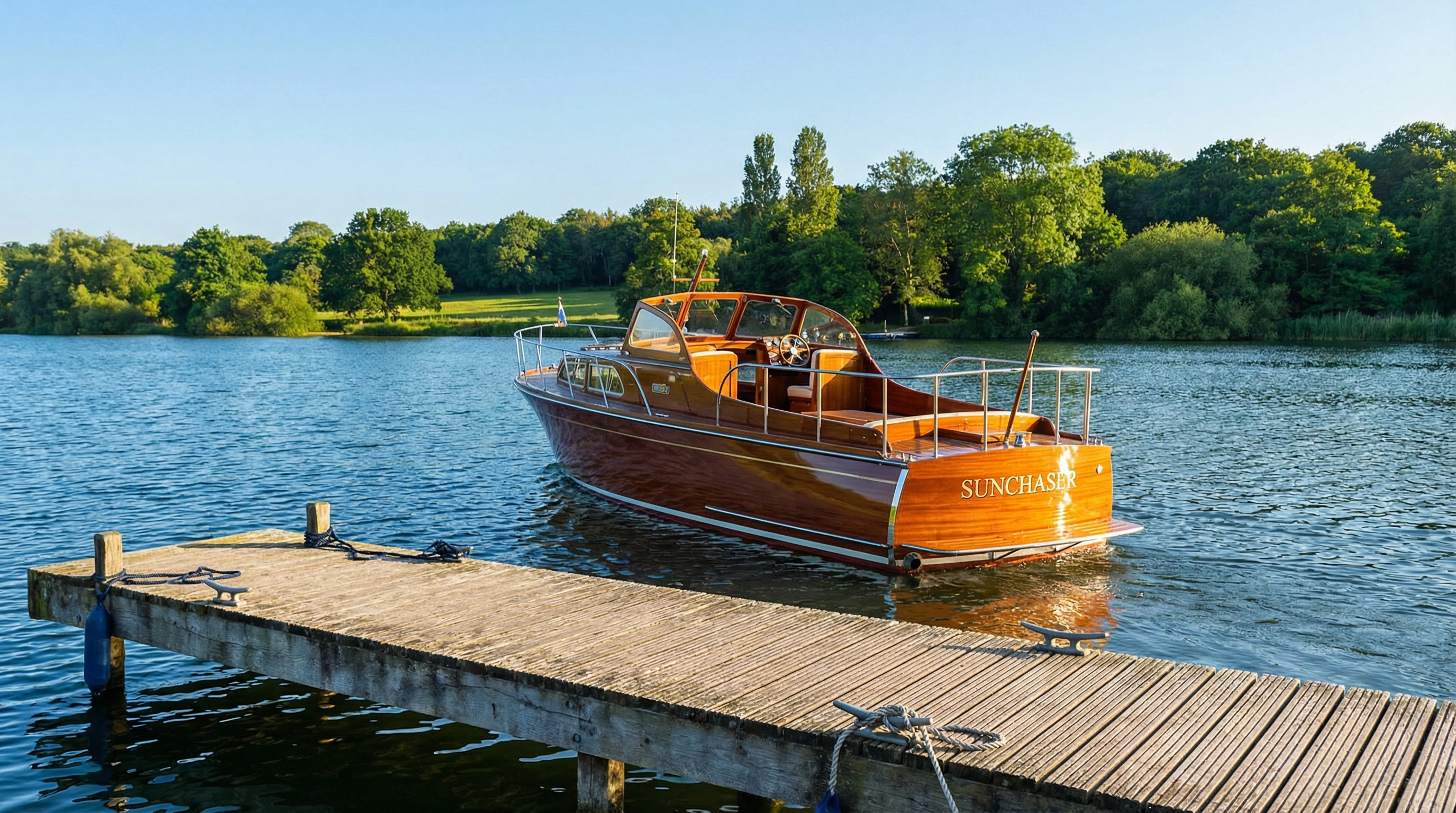
 Pulling into a dock after a day out on the water can feel a bit nerve-wracking, especially if the wind picks up or there are other boats nearby. If you’re new to boating or just want to brush up on docking skills, having a clear step-by-step approach makes the entire process a whole lot smoother. It also helps keep things safer for you and everyone on board.
I’ve spent plenty of time zigzagging toward crowded marinas and quiet slips, learning firsthand the art of bringing a boat in safely. This guide breaks down the key steps so you can dock with more confidence, even when things get a little hectic out on the water.
With these tips, you’ll be ready to protect your boat, keep your crew safe, and finish your adventure with less stress and more peace of mind.
Step 1: Get Ready Before You Approach the Dock
Docking is a lot easier when you prepare before entering the marina or getting close to your spot. If you pause to scramble for lines or fenders once you’re almost there, it just adds more chaos and makes things way more stressful for everyone involved.
What to Check Beforehand:
- Check wind and current direction. Figure out if either will help or fight your approach so you have a better idea how to line things up.
- Decide which side to dock on. Put your fenders and dock lines on this side so they’re ready to go.
- Assign crew roles. Let everyone know who will handle lines, fenders, or stand ready with a boat hook so there’s no confusion.
- Clear the deck. Put away anything loose that could trip someone or roll underfoot during docking.
I always drop my speed before getting close, which gives me much more control and extra time to react. Taking it slow is the name of the game during every approach.
Also, remember that prepping lines and fenders ahead of time makes everything go a lot smoother, especially if conditions change suddenly or you’re coming into a busy area.
Step 2: Plan Your Approach and Line Up Correctly
Coming in at the right angle is key to a gentle docking. If you try to swing the boat around at the last second, you risk bumping your fenders harder than you’d like, or even scuffing the side of your boat.
How to Line Up Your Approach:
- Always approach the dock slowly and at a shallow angle, around 20 to 30 degrees for a smooth glide.
- If there’s wind or current, try to approach into them; this gives you more control in case your boat gets nudged away from the dock.
- Be aware of what’s around you. Look out for other boats, swimmers, lines in the water, or shallow spots that could cause trouble.
I usually switch the engine into neutral before reaching the dock, letting the boat coast in. Small steering tweaks help me stay aimed right, and being patient with speed gives plenty of time for adjustments.
Setting up your angle and pace helps take the stress out of the last few moments of docking, especially when there are extra eyes on you in the marina.
Step 3: Make a Smooth and Controlled Docking Maneuver
This is where things really come together. The trick is keeping speed just high enough to steer with control, but slow enough to stop quickly if you spot a surprise.
Tips for Smooth Docking:
- Keep your boat idling and add a gentle boost of power only when needed for minor corrections.
- Steer with small adjustments to keep your alignment with the dock.
- If the boat drifts or you get off course, a short burst in reverse can slow or stop your movement in a hurry.
- Have your crew ready with a boat hook in case you pull up slightly short of the dock or need a little extra reach.
I’ve found that confidence and communication matter a lot in this step. I always talk through my plan with anyone helping out, so they know what to expect—this keeps things calm and everyone on the same page.
Try not to rush. Gentle, precise moves are much easier to correct than sudden changes, and you’ll look like you’ve been docking boats for years.
Step 4: Secure the Boat Quickly and Safely
When you’re close enough, it’s time to tie off and make sure the boat stays put, especially if the wind tries to pull you away from the dock.
Steps to Tie Off Properly:
- Only have someone step onto the dock when the boat is fully alongside and stopped. Safety first—nobody should hop off when the boat is moving.
- Attach the bow line first to anchor the front. If you’re docking backward, start with the stern line for stability.
- Add spring lines, which stop the boat from drifting forward or backward, for extra peace of mind if you’ll be docked for a while.
- Check each line so it’s snug, but not overly tight. Adjust as the tide rises or falls or if the wind changes direction.
If I’m docking solo, I set up lines so I can reach them from the helm. I secure the closest line first, then add the rest. After enough practice, tying up will become second nature, even if you’re handling everything yourself.
Step 5: Adjust for Common Situations
Docking isn’t always easy—conditions change, spaces are sometimes tight, or the weather throws you for a loop. Here are some helpful tips for a few of the most common challenges:
Handling Wind and Current:
- Docking into the wind or current gives you more control when adjusting your approach angle.
- If the wind pushes the boat away from the dock, pull in at a slightly steeper angle and be sure that fenders are protecting the hull.
Tight Dock Spaces:
- Put extra fenders on both sides. The extra padding can save your gelcoat from scratches if you rub up against anything.
- Go even slower than usual. If you have crew aboard, have one person signal or guide you while you focus on steering.
Solo Docking:
- Loop dock lines over cleats before you arrive, making them quick to grab or toss from on board.
- Practice “lassoing” a dock cleat from the deck so you don’t have to jump off in tricky situations.
I’ve certainly had close calls with the wind spinning the bow away, but having a backup plan for unexpected moments always makes a difference. Stay patient, and don’t hesitate to circle around for another try.
Frequently Asked Questions
What do I do if there’s no one around to catch a line?
When docking solo or if the dock is empty, get your lines and fenders ready before you get close. Keep a dock hook ready—it can pull your boat in those last few inches. Sometimes, it helps to practice looping the bow line over a cleat from the deck. It’s a skill that pays off more than you’d expect.
How can I avoid damaging the hull?
- Use at least two or three fenders, placed where your boat might hit the dock most.
- Always approach slowly, with someone watching out for obstacles as you come in.
What’s the safest way to leave the dock after tying up?
Double-check your lines and make sure the engine is off. Don’t jump off; step off carefully only when the boat is stable. I also coil my lines and stow my fenders so I’m ready for an easy departure next time.
Pro Tips for Docking Like a Pro
- Go slow. You can always add power later, but you can’t lose extra speed once you’re too close to the dock or another boat.
- Practice your technique in open water when you’re just starting out. It’ll help you get a feel for how your boat responds at low speeds.
- Check the dock ahead of time for any loose boards, posts, or underwater hazards you might miss at first glance.
- Don’t be shy about circling around for another pass if the first attempt isn’t lining up. I’ve had to try again plenty of times—it’s part of the process.
The more you practice these steps, the more relaxed and confident docking becomes, no matter where you’re tying up. With time, finishing your adventure with a perfect approach and a snug, well-tied boat truly feels super rewarding.
Your Docking Checklist for Next Time:
- Prepare lines and fenders before you even enter the marina.
- Scope out wind, current, and how much room you have so you can make a plan.
- Come in steady and slow, keeping a careful watch on your angle as you approach.
- Communicate clearly with your crew, or talk yourself through each step if you’re alone.
- If things don’t feel right, back out and line up for another try. There’s never any rush.
What’s the toughest docking situation you’ve faced so far? Drop your stories or favorite tips below—I’d love to hear what other boaters have learned out on the water!