A well-built seawall protects waterfront property from erosion, storm surge, and rising water levels. Over time, though, even a strong seawall can wear down. Catching signs of trouble early can save a lot of hassle and expense in the future. I’m sharing a practical guide on what to watch for if you’re wondering whether your existing seawall needs repairs or maybe even full replacement.
Why Seawall Condition Really Matters
A seawall acts like the main line of defense against coastal or lakeside problems. It holds back waves, deals with tidal forces, and keeps shifting soil in place. When everything works, you hardly notice it. But if there’s hidden damage, you could face setbacks like property loss, foundation issues for nearby buildings, or the collapse of outdoor areas. Regularly checking the seawall is really important, whether you own a private dock, manage a marina, or have a property that sits close to water.
Seawall projects aren’t just a “set and forget” deal. Materials such as concrete, vinyl, wood, or steel all break down with enough time and exposure. Environmental factors, such as boat traffic, heavy storms, and freeze-thaw cycles, ramp up that process. The seawall’s age matters too. Some last for decades, but weather events and how well it was built can change everything. An older seawall with regular signs of wear or damage needs quick attention to keep working the way it should.
Common Signs Your Seawall Needs Attention
Knowing what signals to look for can help you spot smaller problems before they snowball into bigger issues. Here are some signs I keep an eye out for during routine seawall checks:
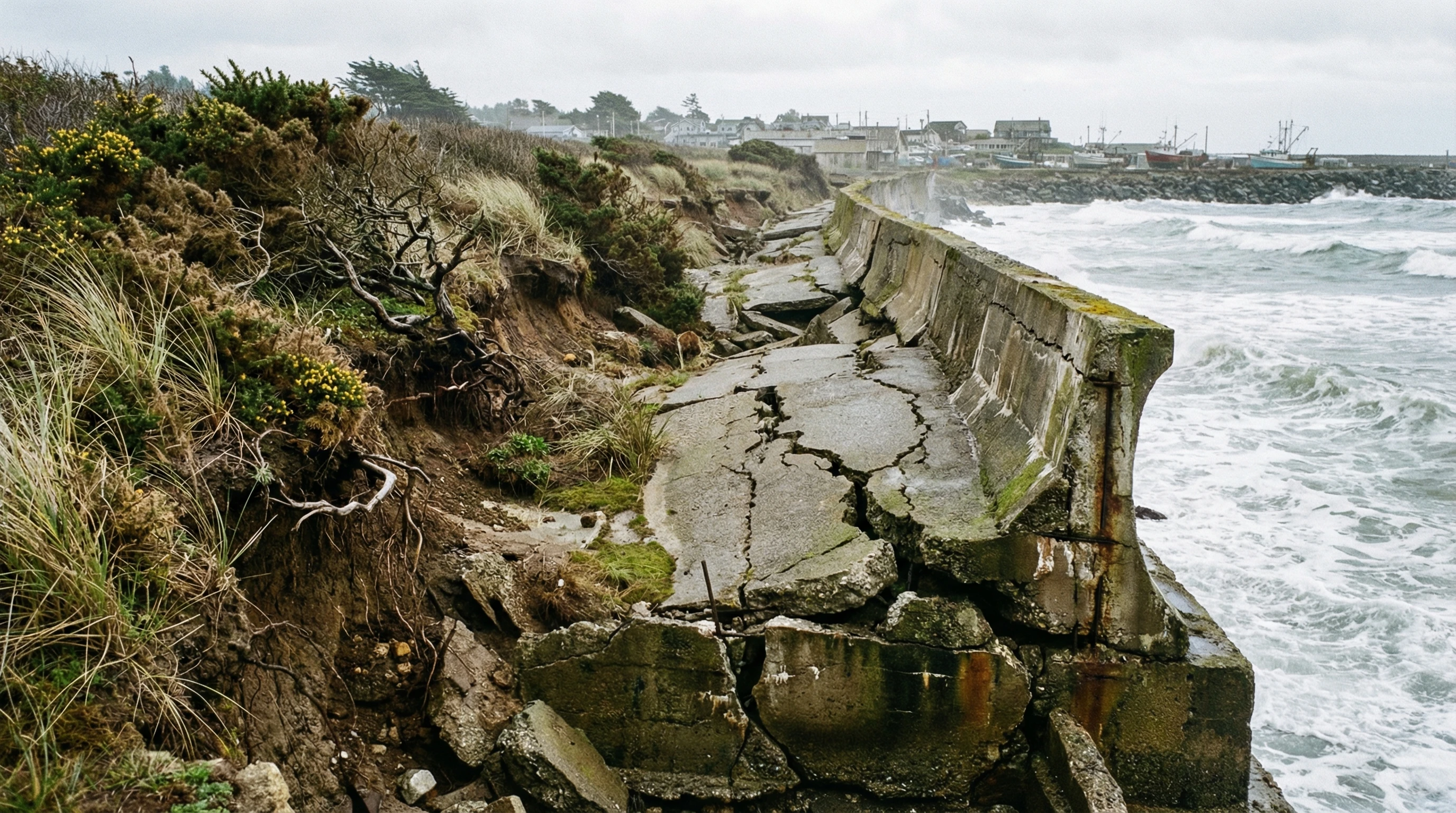
- Visible Cracks or Gaps: If you notice cracks running along panels or joints, or gaps appearing between wall sections, that’s a warning sign. Even hairline cracks allow water to sneak in, which erodes the soil behind the wall and weakens it over time.
- Leaning or Bowing: Stand back and look at the seawall from a distance. If it’s tilting toward the water or bowing in the middle, it may mean soil is shifting behind the wall or water pressure is pushing forward because drainage is clogged or not working right.
- Rotting Timber or Rusty Metal: For wood seawalls, watch for dark spots, soft sections, or fungus. Steel components that look rusty, flaky, or have holes starting to form could mean more widespread corrosion is happening.
- Soil Loss and Sinkholes: Pay attention to the landward side for dips, indents, or holes. These problems mean water is creeping behind the wall and carrying soil away, which quickly destabilizes the seawall.
- Seepage or Water Stains: Wet streaks or green stains on the inside of the wall can signal water leaking through somewhere. Sometimes you’ll even spot puddles or mud on the land side after rain or tides.
- Movement or Loose Caps: If the top edge (the cap) feels loose or you notice any parts shifting, it often means fasteners or anchors under the cap aren’t holding—especially after storms or hurricanes.
Quick Guide to Inspecting Your Seawall
Inspecting a seawall doesn’t need special gear, but a regular checkup keeps problems out in the open. Here’s a simple method I use:
- Walk the Line: Walk along the wall from both the water and land sides. Look for leaning, sagging, or sections that stick out.
- Check Surface and Joints: Look for new or expanding cracks, crumbling blocks, or open seams between segments. Use a flashlight when dense plants block your view.
- Probe the Area: Use the end of a sturdy stick to poke the ground a foot or two from the wall. If the soil gives way or sinks, there may be a hidden void underneath that needs attention.
- Look After Heavy Weather: Always check after storms or high tides. Big weather events can make small issues much worse, especially with older seawalls.
What to Consider Before You Repair or Replace
If your inspection turns up some red flags, it’s time to make a game plan. Not every flaw means tearing down and rebuilding—some repairs are quick fixes if you catch them early. Here’s what I usually think through when helping others decide:
- Damage Size: Local cracks or a handful of rusty bolts are generally quick fixes. If a big chunk is out of line or many panels are struggling, you might need a replacement.
- Material Type: Old wood walls often fall apart and rot, while concrete may just need a patch or single-panel fix. Steel and vinyl each have their quirks—sometimes you can get away with a new tieback or minor patch.
- Water Issues: If water is still getting through and carrying away soil, you might need waterproofing or new drainage like weep holes or filter fabric—often these solve the problem without a full teardown.
- Life Expectancy: If a repair will only last a year before something else goes wrong, it may make more sense to invest in a replacement. Sometimes paying more up front saves you from bigger headaches later on.
- Permits and Codes: Most places require permits for big repairs or total replacements. There are often unique rules for environmentally sensitive areas, so check ahead to avoid getting stuck mid-project.
Seawall Replacement: When Is It the Right Move?
There are cases where fixing just isn’t enough. Here’s when replacement is often the best call:
- The whole seawall is shifting, tilting, or collapsing.
- You keep finding voids or sinkholes that don’t go away after repairs.
- Patching isn’t solving it—fresh cracks or leaks appear every time you fix one issue.
- The core structure (steel or concrete) is crazily rusted, cracked, or falling apart.
Replacement costs more upfront, but over time it might be the smarter investment. Newer seawalls built from materials like reinforced vinyl or composite panels last longer and give better protection than outdated versions.
Finding Your Way Through Common Seawall Problems
- Cap Damage: The concrete or stone cap must stay tight and sealed. If it cracks or shifts, moisture quickly gets inside the wall structure and does damage fast.
- Tieback Headaches: Tiebacks—rods or cables that hold everything in place—are key. If you see the wall pulling away from the land or anchor plates popping loose, you’re likely looking at tieback problems.
- Too Much Vegetation: Tree roots or thick weeds can shove or crack seawall panels. Keeping plants in check is easier than fixing large cracks caused by roots.
- Old-School Waterproofing: Many seawalls built years ago lack up-to-date waterproofing, making leaks and soil migration more likely. Adding filter fabric or improved drainage makes a difference.
Real-World Seawall Maintenance and Upgrades
Maintaining a seawall is about more than just disaster prevention. Regular tune-ups extend the wall’s lifespan and lower your stress level. I suggest booking a professional seawall check every few years—especially if your wall is over 20 years old or you spot any of the signs above.
Popular upgrades include:
- Installing new drainage to reduce soil pressure behind the wall.
- Adding composite or vinyl panels over aging wood or concrete walls for stronger protection.
- Reinforcing or replacing tiebacks and anchors to give more support.
- Sealing seams and surfaces with current epoxy or sealants to boost waterproofing.
If you’re handy and the repair is minor, patching cracks or sealing loose caps can be a do-it-yourself job. For major work—like fixing leaning sections, doing replacements, or dealing with severe erosion—it’s smarter (and safer) to call an experienced seawall contractor. To dig into seawall materials and costs, check out resources such as this consumer alert from the National Association of Insurance Commissioners.
Frequently Asked Questions
What’s the best way to keep my seawall in shape all year?
I do a visual check after big storms and every few months, trim nearby plants, and make sure drainage is clear. A professional checkup every couple of years is smart for older seawalls.
Can I repair my seawall if it has a minor crack or leak?
For sure, a small crack or minor leak often only needs patching with sealant or epoxy. Keeping up with these repairs stops bigger problems before they start.
What should I expect with a seawall replacement?
Replacement generally means tearing out all or part of the old wall and bringing in new panels or material. It’s a major job and needs a bit of planning, but new seawalls often last longer and work better than those built years ago.
Wrapping Up
Spotting those early signs of seawall wear is key to keeping your property protected and your investment safe. Quick repairs and regular maintenance help prevent big issues and save money. If your seawall seems like it’s reaching the end of its run, it never hurts to get a pro’s opinion. Owning a spot by the water is awesome, and a sturdy seawall helps you keep enjoying it for years down the line.