
Seawall repair can feel overwhelming when you first notice your shoreline or waterfront needs attention. As someone with years of experience helping property owners protect their coastlines, I know that reliable information makes all the difference. Whether you are facing your first crack or planning a major rebuild, getting your questions answered up front brings peace of mind. This guide brings together common questions about seawall repair, so you can begin your project feeling confident and prepared.
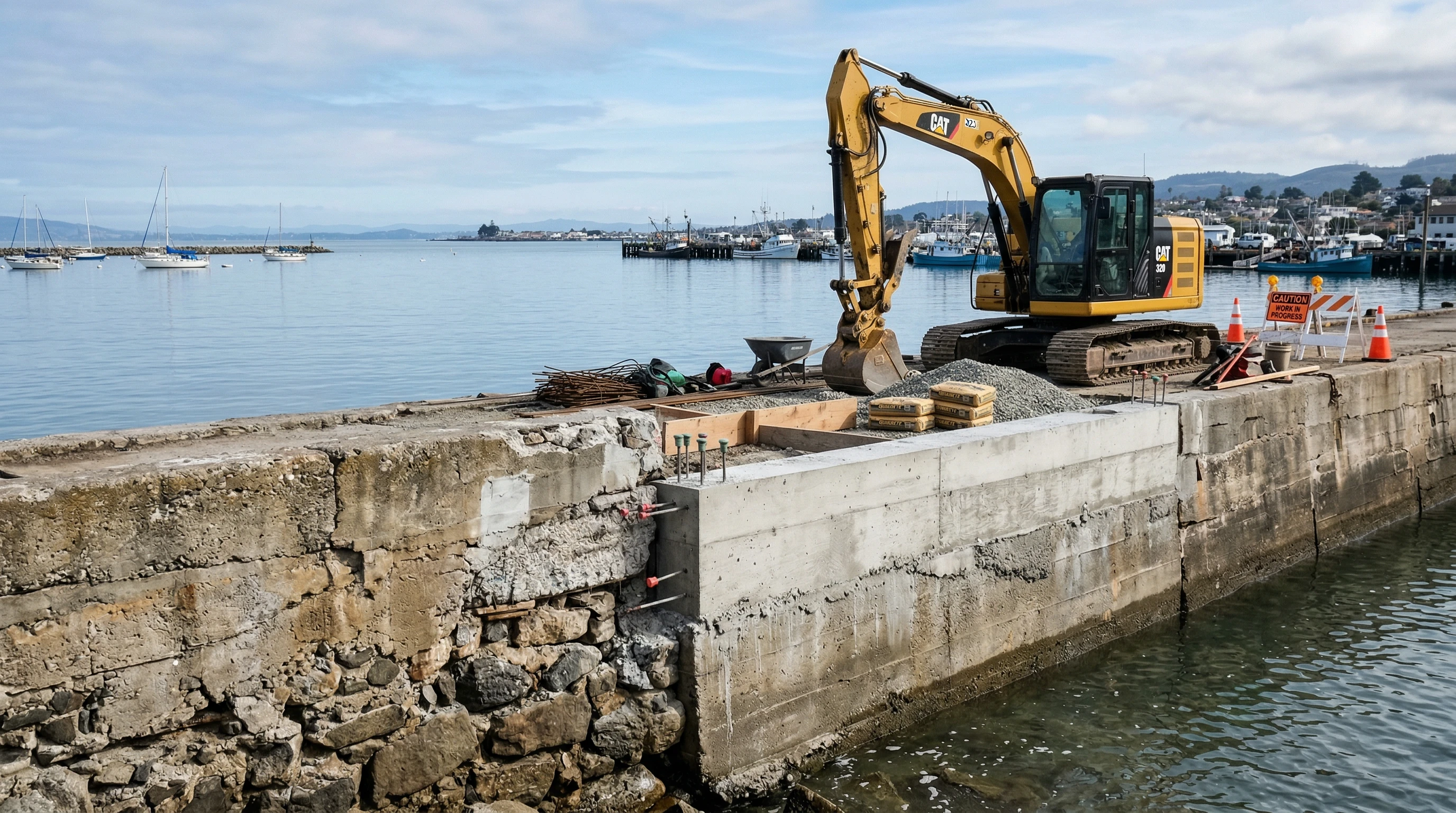
Understanding Why Seawall Repair Is Important
Seawalls are built to protect shorelines, properties, and infrastructure from erosion and flooding caused by tides, waves, and storms. Over time, even the strongest seawall will start to show signs of wear from constant exposure to outside elements. Catching issues early can save you money and help you avoid larger structural problems down the line.
Areas with frequent storms or fluctuating water levels usually see faster wear. If you ever see leaning walls, cracks, water pooling behind the seawall, or sinking soil, these are signs your wall might need quick attention. Regular checks are the best way to keep your waterfront property safe and avoid big repair costs.
What Causes Seawall Damage?
Seawall problems can come from many different sources. Based on what I’ve learned over the years, here are some of the most common causes:
- Hydrostatic Pressure: When water builds up behind the seawall, pressure increases, often leading to cracks or even collapse.
- Erosion: Water movement wears away soil at the base, which can make the wall unstable.
- Marine Life: Animals like burrowing crabs and shipworms sometimes weaken the structure by digging or eating wood walls.
- Improper Drainage: If drainage systems get blocked or were never installed, water gets trapped behind the wall.
- Poor Construction or Materials: Early cost-savings can sometimes mean future repairs. Cheaper materials or shortcuts during construction usually don’t hold up as well over time.
Regular inspections from professionals can help spot these issues early. In my experience, even a quick walk along the seawall every season lets me notice small changes that might signal trouble is coming.
Types of Seawall Repair Methods
Seawall repair doesn’t always mean tearing everything down and starting from scratch. Often, there are straightforward solutions that restore the strength of your current structure. Here is a look at commonly used repair options:
- Crack Sealing: Epoxy or polyurethane can be injected into cracks to seal them and prevent further water entry.
- Soil Stabilization: Permeation grout is pumped behind the wall to strengthen weakened soils and support the seawall.
- Anchoring or Tiebacks: Steel or composite anchors reinforce and stabilize leaning or bulging walls.
- Panel Replacement: Single panels can be swapped out if damaged, saving the rest of the wall.
- Cap Replacement: Replacing only the concrete or timber cap at the top extends the whole structure’s life.
It’s practical to get an assessment from a qualified seawall repair contractor, since they’ll know which solutions fit your wall’s material—whether concrete, steel, vinyl, or wood.
How to Choose a Seawall Repair Contractor
Picking the right repair expert is super important for getting good value and avoiding future issues. Here are some things I always keep in mind when making recommendations or hiring contractors for my projects:
- Experience: Look for companies with a strong track record and examples of past seawall repairs in your area.
- License and Insurance: Make sure the contractor is licensed and properly insured to protect yourself from liability.
- Detailed Inspection: Reliable contractors walk the site, ask the right questions, and provide a written estimate.
- References: Always ask for references or reviews from recent jobs. Personal referrals from neighbors can be really helpful too.
- Materials Used: Ask which repair materials they recommend and why. Some contractors only work with certain types of seawalls.
Careful research helps buyers make informed decisions. Getting at least two or three quotes lets you compare options, giving you a clearer view and letting you avoid surprises when it’s time to start the work.
Common Concerns: Seawall Repairs and Property Value
One question I hear a lot is whether repairing or replacing a seawall affects property value. In my experience, potential buyers see a maintained seawall as a sign of a well-cared-for property. Neglecting seawall repairs can lead to erosion, flooding, or even property loss, quickly lowering value. If you plan to sell in the future, keeping repair records and showing that maintenance has been done can make a real difference with buyers and appraisers.
Seawall Maintenance Tips to Prevent Future Repairs
Like regular oil changes keep a car running well, small maintenance steps go a long way for seawalls. Here’s what I usually do for my own property and what I suggest to others wanting to safeguard their waterfront investments:
- Walk along the seawall every few months. Look for new cracks, leaning, or pooling water behind the wall.
- Clear drains and weep holes of debris so water can flow through instead of building up behind the wall.
- After big storms, check for damage and arrange an inspection if you notice changes.
- Trim heavy trees or roots near the wall so they don’t create cracks or shift soil.
- Check tiebacks and anchoring systems occasionally for rust or tension loss.
Document problems with photos. This helps track changes over time and gives you good information for repair contractors if needed.
Frequently Asked Questions about Seawall Repairs
Here are some answers to the main questions I’m usually asked about seawall repairs:
Question: How do I know if my seawall needs repair or full replacement?
Answer: Small cracks, minor leaning, or individual panel issues can often be fixed with repairs. Large sections falling, major collapses, or repeated patch jobs often signal it’s time for a full rebuild. An inspection by a qualified seawall contractor is the best way to find out what your wall needs.
Question: How long do repairs usually last?
Answer: Repairs can last anywhere from a couple of years up to several decades, depending on the method and the underlying cause. Using quality materials and working with experienced pros can extend this timeline significantly.
Question: Can I do seawall repairs myself?
Answer: Small fixes like clearing drains or filling surface cracks are possible for handy property owners. For structural repairs, it’s safer and more effective to hire a professional with the right tools and know-how.
Question: How much does seawall repair cost?
Answer: Costs can vary quite a bit depending on the damage, materials, and size of your wall. Minor repairs might run a few hundred dollars, while full replacements can reach tens of thousands. Getting a few estimates is the best way to get a real sense of your specific project’s budget.
Question: Are permits needed for seawall repairs?
Answer: In many areas, repairs or replacement work require permits from city, county, or state agencies. Contractors who specialize in marine construction should know your local permit requirements and can help with paperwork, making it easier on you.
Real World Examples and What to Expect
I’ve seen properties bounce back after seawall repairs, even when the damage seemed tough to fix. For example, a neighbor’s seawall in my community developed a big lean and several cracks after a rough season of storms. Professional contractors installed steel tiebacks and sealed the cracks with epoxy. In just a few weeks, the wall was straight and strong again, and property value stayed steady. Others who waited too long for repairs ended up dealing with flooded patios and much higher repair costs later on.
Every situation is unique. Successful repairs depend on early action and expert help. Waterfront living is great, but keeping up with seawall maintenance is a really important part of enjoying that lifestyle for years to come. When you check in regularly, stay sharp for early signs of trouble, and take quick action, you’re making a smart investment in your waterfront property’s future security and value.