
Boat lifts are a great investment for anyone who wants to keep their boat safe, clean, and in top condition. I’ve found that proper maintenance is what really helps extend the life of a boat lift and ensures it works safely year after year. If you’re new to boat ownership or just want to make sure you’re doing everything right, knowing some maintenance basics is a great place to start.
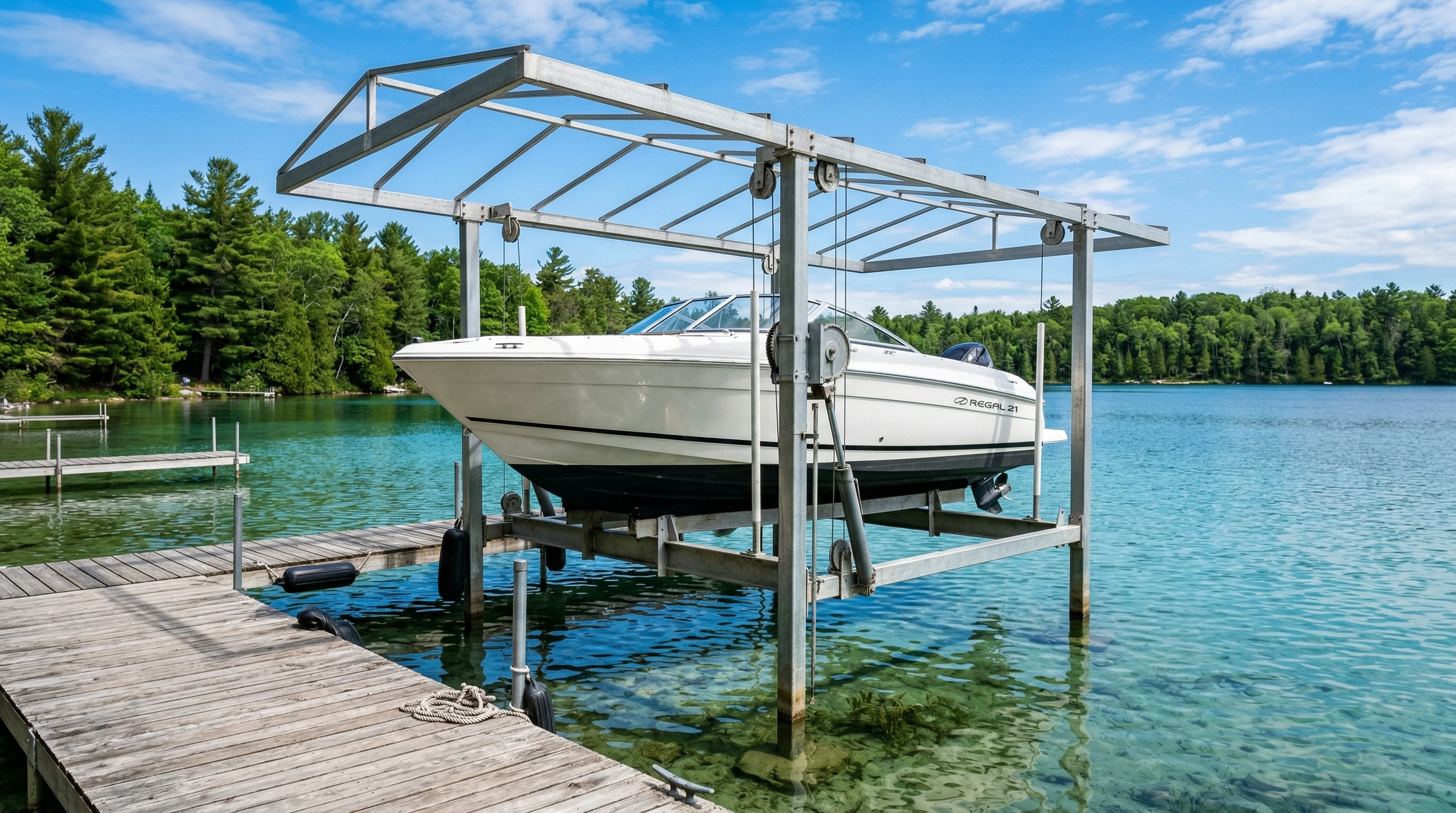
Why Regular Boat Lift Maintenance Matters
Owning a boat lift saves a lot of time and effort, but like any equipment left exposed to the elements, it needs solid care. Saltwater, sun, storms, and even just the movement of raising and lowering your boat all take a toll over time. I’ve seen that skipping maintenance can lead to bigger repairs or even complete lift failure. A well-kept boat lift means fewer headaches and a safer experience whenever you want to get out on the water.
Boat lifts have been around for decades, helping boaters avoid hull damage, algae buildup, and corrosion from sitting in the water. The variety of designs today shows just how many different boats and docks there are, but the basics of keeping them in good shape are pretty consistent across models.
Key Components Every Boat Owner Should Know
I always start with understanding each part of the lift. Even if you aren’t doing every repair yourself, knowing what’s what can help you spot problems early or explain them if you ever need a technician.
- Cables: These heavyduty wires do the lifting. Frayed or rusty spots can spell trouble, so regular checks are super important.
- Pulleys: These let your cables roll smoothly. Dirt or corrosion here can put extra strain on the cables and the lift motor.
- Motor and controls: Electric models use a motor for power. These need dry, protected housing and smooth electrical connections.
- Bunks/Cradles: The padded sections that support your boat’s hull should be clean, aligned, and free from rot or cracking.
- Frame: The main structure, usually made of galvanized steel or aluminum. Rust or loose bolts can weaken the whole lift.
How to Keep Your Boat Lift in Top Shape: Action Steps
Here’s the set of regular tasks I always recommend for keeping a boat lift working well. Getting into the habit of checking and cleaning goes a long way toward preventing expensive repairs down the line.
- Inspect Cables: Look closely at all cables every month. Signs of fraying, rust, or kinks mean it’s time to replace them. Cables should be replaced every few years even if they still look okay.
- Lubricate Moving Parts: Apply the right lubricant to pulleys, gears, and winches. Always use products labeled as waterproof or marinesafe. Avoid getting oily substances on the cables, since they’re usually coated and can actually break down if lubricated with the wrong stuff.
- Clean the Lift: Wash off any dirt, grime, or bird droppings. If you’re dealing with saltwater, rinse everything down with fresh water after each use to help prevent corrosion.
- Check Electrical Connections: For electric hoists, I check and tighten electrical connections at least twice a year. Make sure all wiring is intact and wellprotected from water.
- Test Operation: Run the lift through its full range of motion. Listen for odd noises and check for slow spots that might mean something’s binding or wearing out.
- Look at the Bunks: The bunks or cradles should fit your boat snugly and remain free of splinters, cracks, and mold. Replace padding and realign when wear becomes noticeable.
- Inspect Frame and Hardware: Look for rust, corrosion, loose bolts, or cracked welds. Retighten or replace fasteners as needed to keep the frame strong.
Common Problems and How to Tackle Them
I’ve found that a few problems tend to crop up more than others, especially after heavy boating seasons or periods of bad weather. Here are some fixes you can try before calling for help.
- Cable fraying and breaks: Always replace the cable at the first sign of damage. Don’t use the lift until you fix it, since the cable does the heavy lifting and snapping is dangerous.
- Pulley squeal or sticking: A squirt of the right lubricant usually does the trick. If the pulley is bent or locked up, swapping it out is safe and simple if you’re handy.
- Motor not running: I doublecheck the power supply and ground fault interrupter. If both check out, it’s probably a wiring or switch issue. Sometimes critters chew through insulation or a loose wire is to blame.
- Bunks out of line: Realign and refasten bunks any time they switch up. This prevents hull damage and keeps the lift working smoothly.
- Rust or corrosion on the frame: Scrub and treat small rust spots early. For aluminum frames, a rinse and a nonabrasive brush usually works. When corrosion is widespread, consider professional evaluation for safety.
Cable Inspection
I take cable checks seriously because this is where most critical lift failures start. If you see a single broken wire strand, don’t wait. Replace the cable using marinerated products. Make a note in your maintenance log, too.
Bunk and Carpet Issues
Over time, boat weight compresses and wears out bunk carpet or padding. I replace bunks or recarpet when wood is exposed, carpet tears, or water no longer drains properly. This can help avoid expensive fiberglass repairs on the boat itself.
Motor and Controls Troubleshooting
Electric motor issues sometimes seem complicated, but loose wires, blown fuses, or tripped breakers are the easiest fixes. Follow the cord with your hand to check for wear and make sure everything is dry and free from corrosion, especially at the plug or switch box.
Seasonal changes often mean a bit of extra work for anyone with a boat lift. I prepare lifts for winter by raising them out of the water, covering exposed electric components, and washing everything thoroughly. In spring, a fresh inspection helps catch anything that needs fixing before the busy season starts.
Tips for Extending the Life of Your Boat Lift
Using a cover on your lift when you’ll be away for weeks keeps rain, sun, and debris from breaking down components. Mark the monthly checks on your calendar, since regularity is what really keeps the lift running longterm. Also, I keep a tool and supply kit at the dock, so I’m ready for small repairs as they come up.
I’ve noticed that sometimes it helps to talk with neighbors who also use boat lifts. Sharing what works or what they’ve learned through trial and error often saves time and money for everyone.
- Rinse after every saltwater use: Salt accelerates wear faster than anything.
- Avoid overloading: Know your lift’s rated capacity and never push it. Overloading wears out parts fast and can lead to sudden breakdowns.
- Stay proactive: Even if something looks minor, it’s worth fixing before it grows into a bigger problem.
Real World Examples: Where Maintenance Made a Difference
One boater I know didn’t check the pulleys for a couple of years. By the time he noticed a slow lift, the cable had already been damaged by a frozen pulley, doubling the repair cost. By cleaning, checking, and lubricating monthly, I’ve avoided similar problems and saved a lot of money over the years.
Another friend upgraded his lift motor because regular maintenance let him spot increased resistance early; it turned out, the old motor was wearing out before quitting completely, and catching it ahead of time kept his boat safe from sudden drops.
Frequently Asked Questions
New boat lift owners often have similar concerns, so I’m tackling some of the most common questions right here.
How often should I lubricate my boat lift?
Most moving lift parts benefit from lubrication about once a month during active boating season, and more often in saltwater environments.
What’s the life expectancy of boat lift cables?
Cables last anywhere from two to five years, depending on usage and care. Visual inspections help catch wear before it’s a safety issue.
How can I prevent rust and corrosion?
Fresh water rinses, prompt cleaning, and a coat of marinegrade anticorrosive spray help a lot. Checking after every big rain or salt splash is also helpful.
Should I store my lift differently during winter?
Raising the lift out of the water and disconnecting electric components keeps everything safer in freezing weather. A cover also stops ice and snow from sitting on mechanisms.
Helpful Add-Ons and Tools for Easier Maintenance
I find that a simple dock box with a maintenance log, tools, and spare parts makes maintenance easier. It’s practical to have marine grease, a flashlight, replacement bolts, cable lubricant, and work gloves close by. For powered lifts, a weatherproof cover and surge protector can save electronics in storms. A waterproof camera is handy for snapping photos beneath the dock or lift to spot hidden issues.
Boat lifts do a lot of heavy lifting, but with some basic care, they really can last for many years. I keep up with regular checks, which makes boating season less stressful and more fun.
For those who want extra peace of mind, some boaters set reminders to have their lift professionally inspected every few years, even if nothing seems wrong. Professional checks can find hidden problems and ensure your system stays reliable. No matter your approach, staying on top of maintenance pays off in bigger savings and greater safety out on the water.