Finding a licensed marine contractor near me took some research, real patience, and a clear plan. Hiring someone to work on docks, seawalls, or other water structures can feel overwhelming because these projects are not like regular home improvements. They come with their own set of rules, safety standards, and technical knowhow. In this all-in-one guide, I’ll walk through how I searched, what I looked for, and how you can use these steps to track down a contractor you can trust for your waterfront project.
Why Hire a Licensed Marine Contractor?
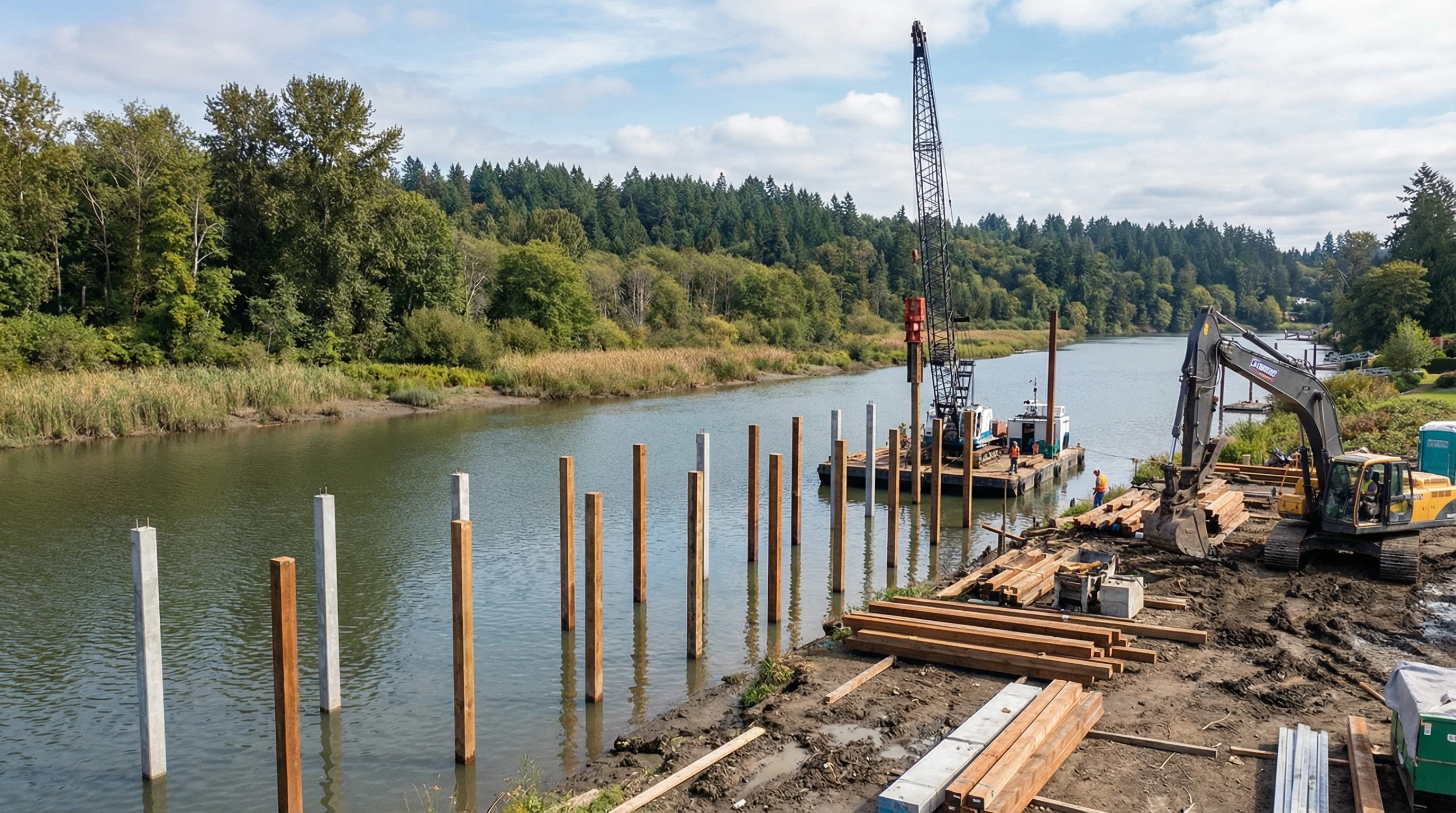
Marine construction is different from regular land based work. It involves building, repairing, or maintaining structures like docks, bulkheads, boat lifts, and piers. These projects require not only an understanding of building codes but also knowledge of waterway regulations, environmental impact, and how tides and storms affect engineering. Licensed marine contractors have been checked out by local authorities, making sure they meet certain standards for education, experience, and insurance.
Hiring someone who holds the right license protects both your investment and your property. Without a proper license, the contractor may not be allowed to pull the necessary permits. That can leave you responsible for any fines, unfinished work, or, even worse, safety risks later on.
Steps I Used to Find a Licensed Marine Contractor Near Me
The process started with some simple research and then moved into more detailed checks and conversations. Here’s how I approached it:
- Define My Project: I started by clearly outlining what I needed. Was it dock repair, a new seawall, or maybe a boat lift installation? Having specific details made it easier to zero in on which contractors worked best for my job.
- Rely on Local Recommendations: Waterway neighbors and local marina managers offered great tips on who to trust. I asked plenty of questions about their experiences, response time, and how the contractors handled any unexpected issues.
- Use Regional Directories: Many counties and coastal states keep lists of licensed marine contractors. My county’s website included searchable databases by license type, location, and specialty.
- Research Online Reviews: Looking through online platforms like Google, Yelp, and the Better Business Bureau helped me spot consistent praise or repeated complaints.
- Double-Check Licensing: I always confirmed the contractor’s license directly through the state licensing board or the county’s permitting department. Some contractors display their license numbers online, but I preferred to call or look it up myself.
What to Look for in a Licensed Marine Contractor
It’s really important to know what qualifications and qualities to look for. Here’s what I checked for:
- Proper License: I verified that the contractor had the specific license required for marine work in my state, not just a general contractor’s license.
- Insurance and Bonding: A reputable marine contractor will have liability insurance and, where necessary, workers’ compensation. This protects you from damage or accidents related to the job.
- Experience With Local Regulations: Knowing they get how the unique codes, permitting process, and environmental restrictions work in my area brought peace of mind.
- Recent References: Getting recent project references helped me double-check their track record. I talked to other homeowners about their satisfaction and how the contractor handled communication, change orders, and unexpected weather delays.
- Clear Contracts: Everything from the scope of work, materials, timeline, and payment terms was included in a written contract. I read it thoroughly and talked through any unclear terms directly with the contractor before signing.
The Permitting Process: Why It’s So Important
Every marine project I have been involved with needed a permit before construction started. Permits make sure the work meets local, state, and often federal rules about water safety, wildlife protection, and environmental concerns.
Licensed marine contractors usually handle the permitting process themselves. I made sure they were willing and able to take care of all the paperwork since mistakes or missing documents can cause long delays or legal headaches later on.
Red Flags and Common Problems to Avoid
During my search, I picked up several warning signs that made me steer clear or ask more questions. Here’s what I watched out for:
- Vague Estimates: If a contractor only gave a handshake agreement or a very general estimate without itemizing labor and material costs, I moved on.
- No Local References: Contractors unable or unwilling to provide recent references in my area made me cautious, especially if they claimed years of experience.
- Poor Communication: Slow replies, missed appointments, or unclear answers in early conversations usually carried on throughout the project.
- Push for Large Deposit: Some wanted a big deposit before even submitting permits or drawing up a contract. Industry standards generally keep the first payment around 10-20% of the project total.
- Unclear Licensing: Anyone who hesitated or gave vague answers when asked to show proof of a license or insurance went to the bottom of my list.
Advanced Tips for Picking the Best Marine Contractor
Once I got the basics down, a few extra steps helped me feel even more confident in my choice. These tips can really make a difference in getting the results you want:
Compare Multiple Quotes: I never just went with the first estimate. Comparing quotes side by side revealed big differences in materials, construction methods, and even the type of hardware offered. It helped me spot hidden costs and made sure I was looking at similar scopes of work.
Visit Past Projects: With permission, I visited construction sites from previous jobs and sometimes chatted with the owners. Seeing finished work up close helped me judge workmanship and durability.
Ask About Warranties: Good contractors will say clearly what they guarantee and for how long. Some cover the labor and also the materials they install, which is super important for marine projects exposed to water and weather.
Check Professional Associations: Some contractors join groups like the Marine Contractors Association, which keeps members up to date on best practices, ethics, and ongoing education.
Pay Attention to Communication: How a contractor answers questions and handles emails or phone calls tells you a lot about how the project will go. If they’re direct, transparent, and responsive early on, that’s a solid sign you’ll have a smoother experience later.
Understand Timeline Expectations: Marine projects often depend on tides and weather. Ask about how possible delays could be managed and how you’ll be updated throughout the process. A contractor who openly explains this helps set realistic expectations from the start.
Frequently Asked Questions
Here are some common questions people run into when searching for a licensed marine contractor:
Question: What’s the best way to check if a marine contractor is properly licensed?
Answer: Every state keeps a contractor licensing board or an online database. Look up the contractor’s license with their business name or license number. Don’t rely only on what you see on their website.
Question: Do all marine construction projects need permits?
Answer: Most new builds, repairs, or major changes on or near the water will need permits. Your contractor should handle the paperwork, but it’s wise to check with your county or city directly as well.
Question: Should I expect delays in marine work?
Answer: Weather, tides, and permit reviews can cause delays. It’s common for marine projects to run longer than similar land jobs, so plan ahead and talk timelines with your contractor.
Question: Are marine contractors usually familiar with environmental concerns?
Answer: Yes. Experienced marine contractors understand rules about protected habitats, erosion control, and best practices for working around water and wildlife. Ask for examples of how they’ve handled these issues in previous projects.
Question: Can I do part of the marine project myself to save money?
Answer: For most major marine projects, it’s not advised. Working in or near the water means there are strict safety, legal, and engineering rules. Cutting corners or trying to do it yourself can put your property and safety at risk.
Using the Right Marine Contractor Makes All the Difference
Finding the right marine contractor takes time, but the results are worth it. After my experience, I know to ask the right questions, get everything in writing, and choose someone whose expertise matches the job. Waterfront work is a big investment, and working with a licensed, insured expert protects both your property and your peace of mind. Careful research goes a long way and helps buyers make smart decisions, avoiding headaches later. When you take these steps, you’ll be ready to enjoy your dock, seawall, or pier for years to come, with confidence you worked with a trusted professional every step of the way.