
Hiring the right contractor for your seawall project is one of the most important steps in protecting your waterfront property. Seawalls defend land from water erosion, storm surges, and tides, so choosing a skilled professional helps ensure your investment will last. My aim with this article is to walk you through the decision-making process for hiring a contractor who’s qualified, reliable, and right for your specific needs.
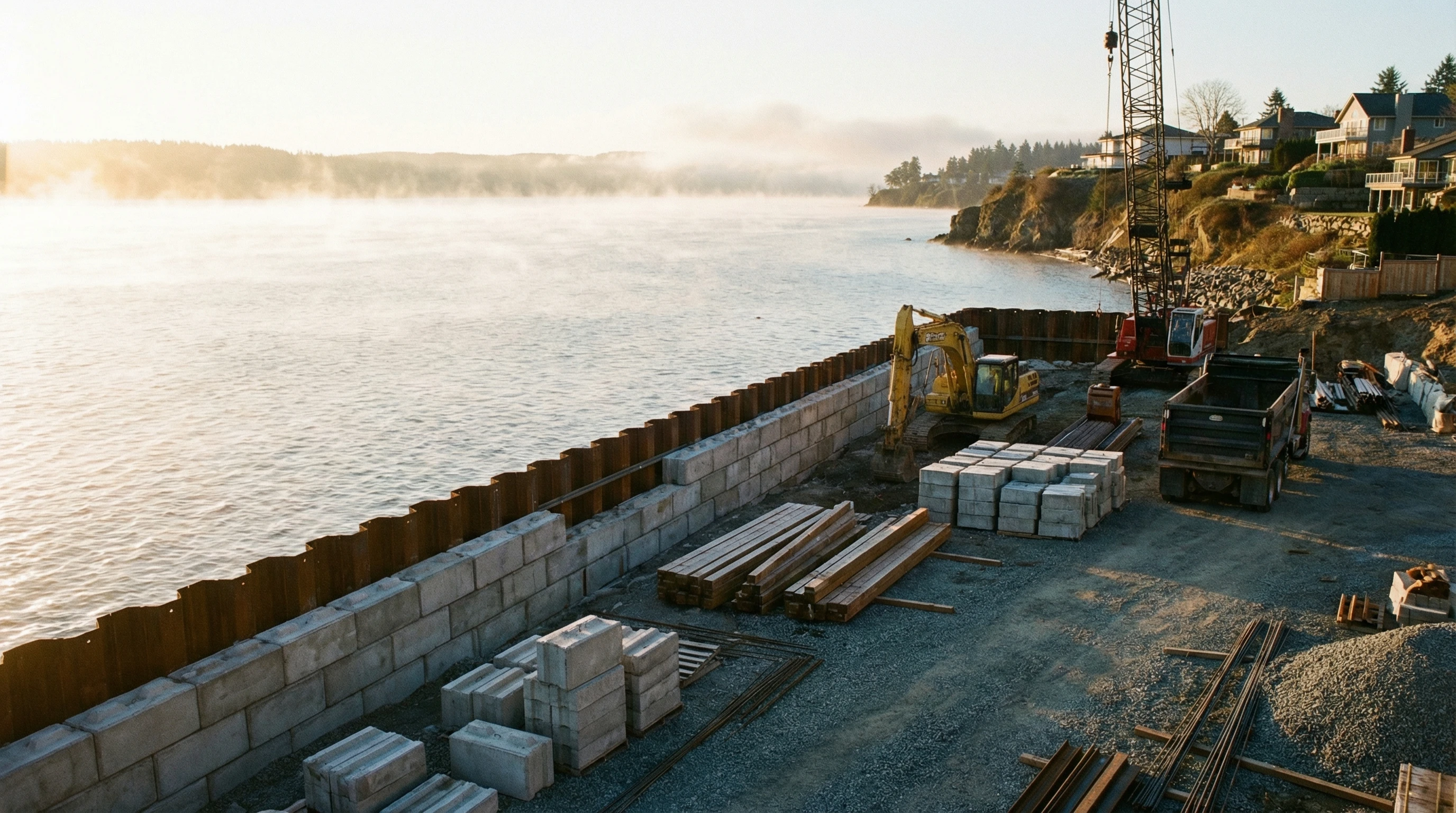
Understanding What a Seawall Contractor Does
A seawall contractor specializes in building, repairing, and maintaining structures placed along shorelines. These structures exist to stop erosion and to keep your property secure from changing water levels and harsh weather. Contractors manage everything from planning and permitting requirements to the final construction process.
Their work covers several types of seawalls, including vertical concrete walls, vinyl panel walls, steel barriers, and natural rock (riprap) barriers. Each type offers its own benefits and fits different situations. Because regulations around coastline construction can be complex, your contractor should also have a solid understanding of local codes and environmental factors.
Factors to Think About Before Hiring
Several key factors help you decide on a seawall contractor. You’ll want someone who’s experienced, trustworthy, and who communicates well through every phase of the project. Here are the points I always check out first:
- Experience: Ideally, a contractor should have several years of work specifically related to seawalls in your region, since local conditions can really impact construction.
- References and Reputation: Check for reviews online and ask the contractor if you can speak to previous clients about their work. Happy customers often share similar stories.
- Licensing and Insurance: Make sure the contractor holds all proper licenses and is insured. This protects you from unexpected issues or accidents and lets you know they meet state and local requirements.
- Portfolio of Completed Projects: Review examples of their previous work to see the quality of their builds and if they’ve handled projects similar to yours.
- Understanding of Permitting: Since coastal and shoreline projects often need city, county, or environmental permits, a good contractor should help guide you through the process.
Don’t forget to set clear expectations about the project timeline and milestones. This will help prevent surprises and keep communication smooth from start to finish.
How the Estimation Process Works
Most seawall projects start with an onsite evaluation. Here’s what usually happens from my own experiences and what you can expect:
- Site Visit: The contractor inspects your shoreline, looks for erosion or structural issues, and checks the type of soil, slope, and tidal influence.
- Project Scope: Based on this information, they’ll suggest the best seawall design and materials for your property’s needs.
- Written Estimate: After the visit, you receive a detailed written estimate. It outlines labor, materials, permitting, and a timeline. Ask questions if anything is unclear; you want a clear understanding of the costs involved.
Having two or three contractors give you estimates helps provide a comparison both for price and their level of professionalism. It’s also wise to ask if these estimates include potential costs for any unexpected changes or necessary adjustments.
Questions I Recommend Asking Contractors
Asking the right questions helps you understand whether a contractor is prepared to handle your project. Here are the ones I always use when I’m checking out candidates for seawall work:
- How long have you specialized in seawall construction?
- Can I see photos and speak with a couple of previous clients?
- Are you familiar with local permitting and environmental regulations?
- What material do you recommend for my location, and why?
- How do you handle unexpected delays or issues?
- What kind of warranty do you provide on your work?
- Are your workers covered by insurance and do you use subcontractors?
A good contractor should answer these questions openly without hesitation, allowing you to get a sense of their transparency and reliability.
Common Seawall Construction Challenges
Seawall construction can bring several challenges. Different soil types, fluctuating water levels, and storm impacts all influence the construction process. Here’s a rundown of the usual problems I see and how experienced contractors deal with them:
- Permitting Delays: Since many areas have strict rules for shoreline modification, preparing all paperwork early helps avoid waiting too long on permits.
- Material Shortages: Sourcing the right type of vinyl, steel, or concrete sometimes takes longer than expected. Contractors with local suppliers can usually get materials quicker and keep projects moving.
- Unexpected Erosion or Subsurface Issues: Sometimes, what’s underground changes the entire design. For example, finding loose sand or buried debris may require adjustments to wall depth or type. A flexible contractor can adapt when surprises pop up.
- Weather Disruptions: Rain, high tides, or hurricanes may delay progress. Contractors should clearly explain how weather could impact scheduling and how they’ll keep you updated if something changes.
Contractors who have been in the field for years usually have experienced nearly every type of obstacle. This experience helps them plan ahead and offer creative solutions when problems surface.
Permitting and Regulatory Guidance
Before any work can start, you’ll usually need approval from environmental agencies and your town or county government. Rules can be strict, especially in sensitive ecological areas. I recommend asking your contractor directly about their experience with local permit applications. Some contractors handle the entire process while others may need you to participate.
The Importance of Communicating Clearly
Strong, open communication from the contractor makes the process simpler. Contractors should share regular status updates and let you know quickly if something could change the cost or schedule. I’ve found that weekly check-ins, even by email or text, make a big difference when the build is in full swing. A clear record of each conversation can help prevent misunderstandings and allow you to follow up on any agreed-upon changes.
Advanced Tips for Choosing the Right Contractor
If you’re handling a particularly large or high-value project, a few extra steps can give you extra peace of mind. Adding to the standard checklist, try these approaches:
Check for Third Party Certifications: Some contractors earn recognition from professional building associations. Membership in groups like the Associated General Contractors of America or state-specific marine contractor organizations suggests they keep up with industry standards and ongoing training.
Ask About Drainage Solutions: Good seawalls include drainage features that let water escape from your property safely. Discuss with your contractor how they address drainage. That way you avoid costly repairs down the line and help with groundwater management.
Review the Warranty Terms: Every project should come with a warranty for both materials and workmanship. Understand what’s included. Some contractors offer maintenance checks for the first year, which can help catch issues early.
Taking these extra steps goes a long way in helping you choose someone with the skills and commitment required to protect your shoreline investment. If you feel unsure about anything, don’t hesitate to check in with local building departments or seek advice from a marine engineer for a second opinion.
Popular Seawall Types and Materials Explained
Picking a contractor becomes easier when you know the basic types of seawalls and the benefits of each. During my property search and renovation projects, I’ve seen all these types in action:
- Concrete Seawalls: Known for their long lasting strength, these are common in urban or high traffic areas. They’re good for areas with strong wave action.
- Vinyl or Composite Panel Walls: These resist rotting, are lightweight, and generally need less ongoing maintenance.
- Steel Seawalls: Steel sheet piling works in industrial settings or locations with intense tidal shifts. Protective coatings help prevent rust, but they may need more frequent checks.
- Riprap (Rock) Barriers: Large rocks or boulders protect land in a more way. They allow some water flow between the rocks, which can help certain environments while holding the shoreline together.
Your contractor should talk through these options and discuss what’s best for your unique property, considering your shoreline’s conditions and your budget. Don’t forget to ask about long term maintenance plans for whichever type you choose, since each material has different care needs.
Frequently Asked Questions
Here are some common questions I often hear about hiring seawall contractors:
Question: How long does it usually take to finish a seawall project?
Answer: Most projects take about two to six weeks, depending on wall length, weather, and permitting speed. Complex sites might take longer, so having a clear schedule upfront is really helpful. Keep in mind that some delays are unavoidable, especially if unexpected soil conditions or weather events pop up.
Question: Should I get multiple quotes, and how do I compare them?
Answer: I always get at least two or three quotes. Look at the breakdown of labor, materials, and what’s included. Sometimes the cheapest quote skips important details. Ask each contractor to explain their estimate line by line if anything seems unclear. Check that all necessary permits, inspections, and waste disposal plans are covered in the document so you avoid surprise fees.
Question: Are permits always required for seawall construction?
Answer: Nearly every area requires some sort of permit, especially near public water or environmentally sensitive spaces. A qualified contractor will guide you through which permits are needed for your location. Always double-check with your city or county office to be sure nothing is missed; penalties for building without proper permits can be costly.
Question: What should I do if my property already has a failing seawall?
Answer: Have a contractor give a full assessment to spot structural issues and discuss repair versus replacement options. Sometimes repairs can extend the life of your existing wall, but in other cases a full rebuild is more cost-effective and safer. The right contractor should help you weigh both options before committing to a large investment.
Final Thoughts on Making the Best Choice
Choosing a contractor for your seawall project means weighing experience, communication style, and their knowledge of local regulations. By focusing on proven work history, checking reviews, and asking detailed questions, you raise your chances for a worry-free project and a sturdy result. Whether you live on a quiet lake or a busy coastal stretch, a good contractor becomes a real partner in keeping your property safe for years ahead. Step-by-step planning and honest communication can make your entire seawall project go smoothly from start to finish.