
Waterfront improvement projects arrive in many forms, from restoring eroded shorelines to building marinas, public docks, and recreational spaces along rivers, lakes, or harbors. These projects add significant value to communities and neighborhoods, sometimes even boosting local economies through tourism and new business opportunities. Even small-scale projects, like rebuilding a retaining wall or cleaning up a neglected shoreline, can require a fair bit of funding. Tracking down reliable ways to finance these projects is crucial to making them happen. Read on for practical advice, funding strategies, and tips to get your waterfront improvement project funded and off the ground.
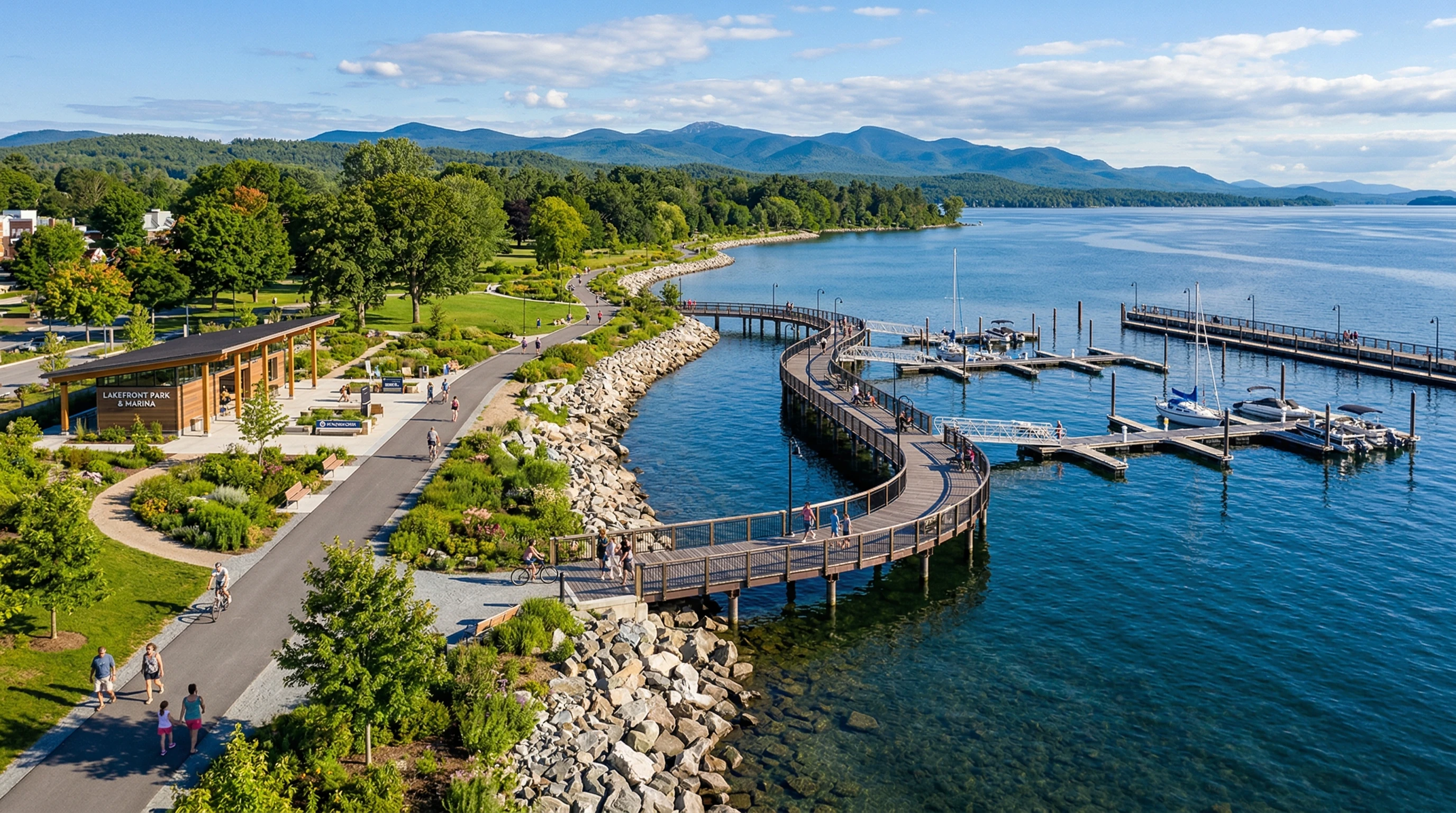
Overview of Financing Needs for Waterfront Improvement
Improving a waterfront is about more than eye-catching design. Projects help prevent flooding, improve water quality, support wildlife, encourage outdoor recreation, and make lively spaces where people want to gather. Some efforts focus on big public works, while others are private upgrades for homes or businesses. No matter the size, getting the money together is often the toughest hurdle to turning ideas into reality. Construction materials, labor, permitting, and constant maintenance all add up.
Local governments, property owners, and community groups regularly find that raising enough money stands out as the main barrier for finishing projects. Careful planning and looking at every funding option gives you a much better chance to match the right funding with your project’s needs.
Public Funding Sources
Government funding forms the backbone for many waterfront projects. Cities, counties, and states invest directly in infrastructure using capital improvement funds. These funds often come from regular budgets, but for larger or expensive projects, there might be dedicated taxes or bonds as well.
Grants from Federal and State Agencies
Grants play a huge role, especially for public or nonprofit projects. Federal agencies such as the Environmental Protection Agency (EPA), National Oceanic and Atmospheric Administration (NOAA), and U.S. Army Corps of Engineers offer grant programs for coastal restoration, hazard mitigation, public access, and ecosystem improvements. State departments for the environment or natural resources typically run similar programs.
I helped my local park district apply for a Community Development Block Grant to restore a public fishing pier. There was plenty of paperwork, but the award paid for materials and expert labor—making the whole project possible.
Municipal Bonds and Special Assessments
Bonds present another route when cities want to take on major waterfront work, like building a new marina or installing flood barriers. Bonds allow municipalities to borrow a sum upfront, repaid over time using tax revenue. Sometimes, special assessment districts are formed so property owners who see the most benefit pay higher taxes or fees to fund the nearby improvements.
Private Financing and Partnerships
Property owners or businesses looking to upgrade their waterfront spaces can check out bank loans, lines of credit, or private investment. For example, a restaurant might finance a new outdoor deck overlooking the water, or a homeowner may borrow against their property to rebuild a seawall.
Bank Loans and Lines of Credit
Traditional loans and lines of credit are solid options for projects with clear budgets and likely property value gains. Banks want to see detailed project blueprints and often share their requirements upfront; interest rates and repayment terms hinge on credit history, property value, and risk factors.
Public-Private Partnerships (PPPs)
Some waterfront projects deliver value for everyone—residents, tourists, and businesses. That’s why publicprivate partnerships enter the picture. In a PPP, a city and private developer split up the costs and benefits of a project. This might mean a hotel invests in a waterfront boardwalk while the city provides improved lighting, signs, or landscaping. Both sides gain, and costs are shared.
Special Programs and Incentives
Beyond grants and loans, there are special programs and incentives meant specifically for waterfront work.
Tax Increment Financing (TIF)
Tax Increment Financing makes use of future increases in property tax revenue from an improved area to pay back project costs over time. For example, a forgotten riverfront may not generate much tax income right now; after the area gets a refresh, property values and businesses boom, so the new tax growth pays for the upgrades. TIF districts sometimes spark debate, since they redirect revenue from general funds for years, but they often provide a practical path to fund large improvements.
Environmental Incentives
Waterfront efforts that protect habitat, cut pollution, or bring in public green space can sometimes score incentives aimed at environmental goals. Cost-sharing programs with soil and water conservation districts, for example, can help foot the bill for erosion control or adding native plants to the shoreline. I’ve seen landowners get tax credits or utility bill savings for projects that help with stormwater or create wildlife habitat.
Preparing for the Financing Process
Each funding source comes with its own requirements, but several steps can set you up for success. First, put together a strong project plan. Lay out what you want to do, why it matters, what it will cost, and how it’ll be cared for long term.
- Budget Planning: Break your project into pieces like engineering, permitting, materials, construction, and upkeep. Estimate the cost for each part.
- Permitting and Regulations: Look up all the local and state rules you’ll need to follow, from environmental permits to construction codes.
- Community Support: For bigger projects, having public support or letters from neighbors and other stakeholders can seriously impress funders.
- Professional Advice: Sometimes hiring an engineer or consultant is money well spent since funders often want to see technical drawings or maps.
Potential Challenges and How to Tackle Them
Waterfront projects sometimes run into similar challenges. Delays from the permitting process, cost overruns, or trouble getting funds lined up at the right time are all pretty typical.
- Regulatory Delays: In my experience, plan for extra time for permits. Start the process early and keep paperwork organized to prevent snags.
- Budget Overruns: Include a buffer in your project budget and update estimates as more information is available.
- Funding Gaps: Using several funding sources? Watch out for timing issues, so you don’t wind up with a cash crunch halfway through. Bridge loans or breaking your project into phases can help.
Cost Sharing and Volunteer Support
Even a little help from local volunteers can make a big difference. Community cleanup days, donated materials, and in-kind professional services (like engineering or landscaping) keep project costs down and boost neighborhood pride. For example, I’ve watched riverbank stabilization projects where neighbors helped install erosion control mats, cutting down on labor costs while earning a sense of ownership in the final outcome.
Frequently Asked Questions About Waterfront Project Financing
Question: Where can I track down grants for small community waterfront projects?
Answer: Look at your state’s natural resources or environmental agency website, local charitable foundations, and federal agencies like NOAA or the EPA. Some cities offer community improvement grants or matching funds for smaller public efforts.
Question: Can private property owners get access to public funds?
Answer: Sometimes, yes. Homes or businesses next to public water bodies may be eligible for cost-sharing, conservation incentives, or limited grants if their projects offer a public benefit, like new public shoreline access or water quality upgrades.
Question: What should I include in my funding application?
Answer: Most funders want to see a clear project description, solid budget and timeline, maps or site plans, support letters from the community, and proof of getting all needed permits or approvals.
Question: How important is ongoing maintenance in the financing plan?
Answer: Extremely important. Funders want projects that last—not ones that fall apart after a few years. Be sure to include ongoing maintenance in your fundraising goals, and team up with partners who can help with upkeep. That could tip the scales in your favor.
Tips for Success When Funding Waterfront Improvements
Start early when gathering info and looking at funding possibilities. I always suggest reaching out to more than one funder and using a mix of funding sources to build a strong financial base. Stay flexible and break your project into pieces if you need to—doing that can help get approvals and show progress. Plus, having passionate community vibes really helps when you’re applying for grants or seeking public support.
With a solid plan, a good understanding of your options, and teamwork between public and private partners, your chances of getting funding for that waterfront project and making it happen go way up. Waterfront improvements aren’t just about the money— they’re about building spaces everyone can enjoy while keeping the natural setting healthy for years to come.