Erosion control is a crucial task for anyone managing land, building sites, or even taking care of a garden. When soil washes or blows away, it creates problems like polluted waterways, damaged landscapes, and weaker foundations. My experience working with both rural properties and construction projects has shown how avoidable most erosion truly is if you understand the basics and use a few tried-and-true methods. I’m sharing what has worked for me and offering some practical tips you can apply at home or for bigger jobs.
Erosion Control Fundamentals
Erosion happens when wind or water moves soil from one area to another. While this process is natural, human activities like building roads, farming, or removing trees can really speed things up. I’ve found that exposed soil is far more likely to disappear after heavy rain or strong wind. Once soil is lost, it rarely comes back without significant help, so taking preventative steps is essential.
The main reasons I focus on erosion control are to protect soil health and keep water clean. When soil moves off-site, it may clog streams, damage plants and fish, and create silt issues. On farms, erosion can strip away the valuable top layer, making it harder to grow strong crops. In towns, it can harm buildings and add big repair costs.
How Erosion Happens and Why You Should Care
Getting a sense of what causes erosion is your first step. Water is usually the most serious force. Rainfall beats down on bare earth, loosening bits of soil that flow downhill. Streams and rivers will also carve away banks if no vegetation is left to anchor the dirt in place. Wind can whip away dry soil, especially in open areas or during droughts. Clearing land, poor grading, and other human actions make these natural processes worse and happen faster.
I learned fast that even a small spot of disturbed dirt can send muddy water rushing into storm drains or creeks. Over time, that adds up and can lead to major landscape headaches. Staying sharp by looking for channels in dirt, muddy water after rain, or bare roots on slopes helps me know when and where action is needed.
Essential Erosion Control Practices for Every Setting
There’s no single answer, but I mix and match techniques according to location and risk. Some of the top methods I use include:
- Vegetative Cover: Grass, shrubs, and trees give the best protection against erosion. Roots hold the soil tight, and leaves break up rainfall’s force. Even temporary ground covers can make a big difference if permanent planting is delayed.
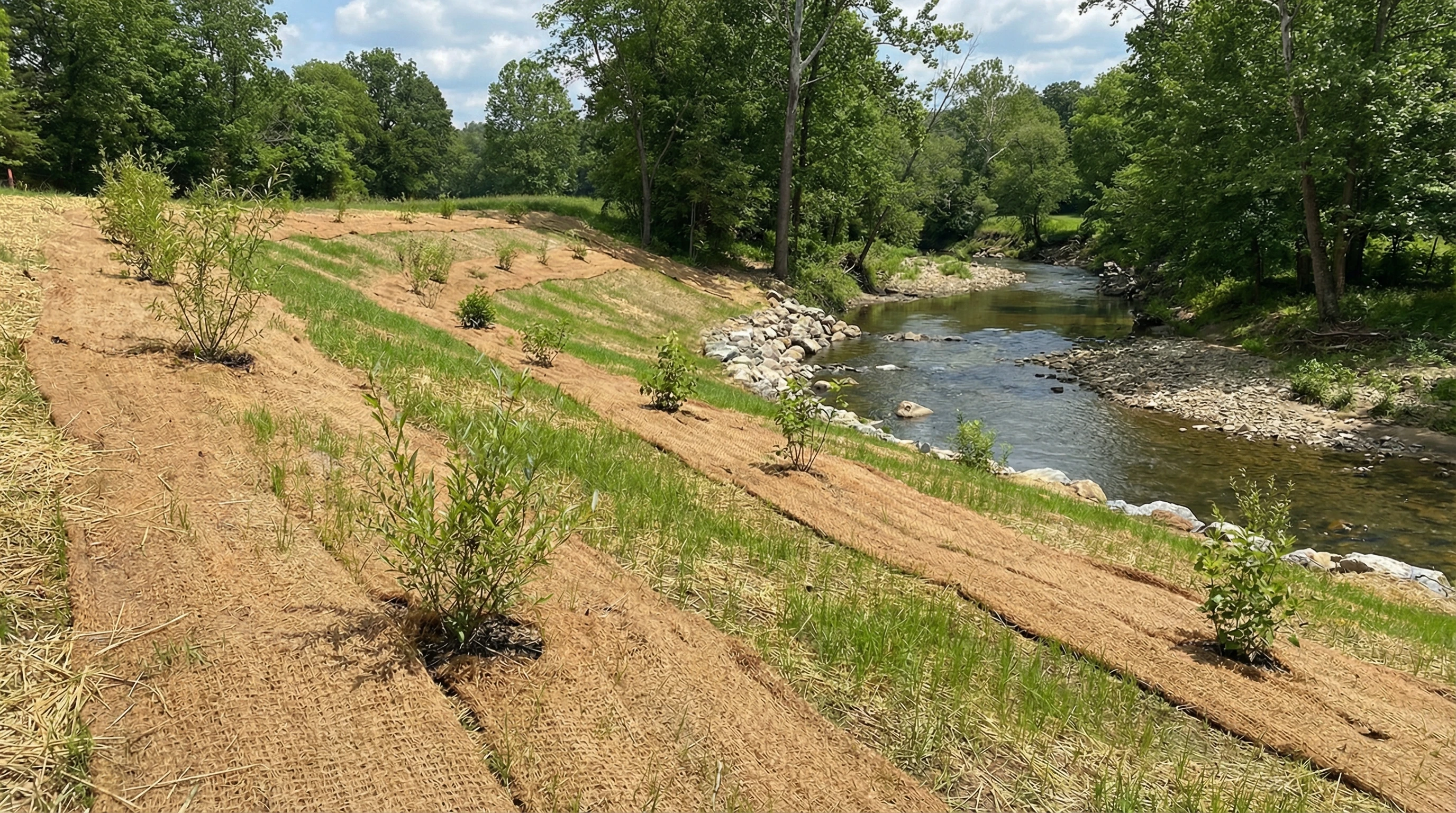
- Mulch and Blankets: Spreading mulch, straw, or using erosion control blankets keeps soil covered, protecting against rainfall and preventing moisture loss. I like shredded wood mulch for gardens, and jute or coir blankets for steeper slopes or new builds.
- Silt Fences: Temporary silt fences block soil from leaving sites under construction. They’re set up with stakes and trenches and should always go on the downslope side to intercept runoff. Inspecting for sediment buildup is important for maintaining their effectiveness.
- Terracing and Contour Planting: On slopes, little terraces or planting rows that follow the land’s shape help slow runoff and let water soak in. I’ve tried this both for home gardens and in bigger rural fields with great results.
- Retaining Structures: Short retaining walls, log barriers, or rock check dams slow down water and trap sediment in channels or gullies. I commonly put these where storms channel water during heavy rain.
Sticking with a combination of these methods keeps my soil in place and runoff under control. Many organizations, like the Natural Resources Conservation Service, offer free, all-in-one guidance and designs for these approaches (NRCS).
Getting Started: Simple Steps to Prevent Erosion
It’s best to start small and build up your knowledge and confidence. I usually follow this order:
- Keep Soil Covered: Plant grass or cover crops quickly on bare patches. Even a layer of leaves, wood chips, or a fast-growing groundcover works well.
- Divert and Slow Water: Water moving quickly means more erosion. Small barriers, rain gardens, or gently sloped paths help spread and slow water before it does damage.
- Fix Trouble Spots Fast: If I notice new gullies, exposed roots, or pooled water, I act without delay. Straw bales, sandbags, or other temporary fixes can work until a long-term solution is set up.
Handling problems quickly keeps small problems from growing bigger and hitting your wallet harder.
Common Problems and How to Solve Them
Even when you’re careful, erosion may still appear. Knowing how to react makes all the difference. Some typical issues and my solutions:
- Steep Slopes: Slopes are tough because water rushes down and takes soil with it. Deep rooted plants or erosion matting work wonders here.
- Muddy Runoff: When water carries away a lot of dirt after storms, redirecting the flow, adding mulch, or digging shallow catchment channels helps stop the mess before it spreads.
- Construction Disturbances: Building activity leaves lots of exposed dirt. I get silt fences up early and seed temporary grass before the job wraps up to keep sediment in check.
- Streambank Erosion: Streams often eat away their own banks. Adding rocks, logs, or native willows slows water and reinforces those soft edges.
By giving these areas regular checkups and tinkering as needed, I keep problems from sneaking up on me later.
Managing Stormwater to Prevent Erosion
Stormwater can do a ton of damage, even in a single heavy rainfall. When rain comes down quicker than the soil can absorb, you get increased runoff and more erosion. Rain gardens, swales, and porous paving help slow water and let it soak in. Strategic berms or slightly raised beds can direct water flow away from vulnerable areas and stop washouts. Even something as simple as adding downspout extensions—so water runs away from building foundations—can stop small erosion problems before they become big headaches.
Maintaining and Inspecting Erosion Control Measures
Erosion control isn’t a one-time task. I always check my measures soon after big storms to clear any blockages, repair barriers, or replace mulch and mats that have moved or decomposed. Regular checks—especially after heavy rain—help you spot fresh trouble areas before they turn into recurring issues. I recommend setting up a seasonal walkabout with a checklist after each major rain.
Long-Term Strategies for Erosion Control
Thinking ahead pays off, especially if you’re working on landscaping, construction, or even planning large gardens. Always consider how new work will change water flow and soil stability. For bigger undertakings, I contact engineers or state soil offices to ensure work won’t create new headaches. On smaller setups, best practices like keeping slopes planted, maintaining groundcover, and disturbing as little soil as possible are the best moves.
Local government and cooperative extension services share hands-on tips and update you on rules or grant programs that could help with costs. I also find the Environmental Protection Agency (EPA) releases super detailed guides for all project sizes, from single lots to commercial sites.
Frequently Asked Questions
Question: What’s the simplest way to stop soil erosion on a small property?
Answer: Planting grass or groundcover fast keeps the surface covered and stops most erosion in its tracks. On slopes, laying down mulch or a biodegradable mat while vegetation gets established offers an extra boost.
Question: How long do temporary barriers like silt fences hold up?
Answer: Silt fences will last a few months if you check and fix them as needed, but they break down in sun and storms. I replace or patch them whenever they sag, tear, or stop blocking sediment effectively.
Question: Are erosion control mats reusable?
Answer: Most mats are created for single use. Natural fiber types break down and feed new plants. A few synthetic mats can be reused if recovered before they rot, but I generally prefer single-use mats for reliable coverage.
Question: Where can I get practical tips for larger projects?
Answer: Community extension offices, conservation districts, and state agencies give free advice and may even visit to walk your site. Sometimes, they can point to grants or cost-sharing programs to lighten the bill.
Wrapping Up: Simple Planning Makes a Big Difference
Based on what I’ve tried, planning in advance and addressing early signs of erosion head-on makes a clear impact and saves time in the long run. Scheduling regular inspections and using simple, tried tools let you protect your soil, water, and investments. Adding even a few of these habits into your routines not only helps your land and wallet but also supports a healthier local environment for everyone.