
Shorelines play a vital part in both the natural landscape and the health of local ecosystems. When erosion starts taking away bits of a bank or lake edge, it can lead to the loss of habitat, cloudier water, and even damage to nearby property. I’ve seen many people want to protect their property while still preserving the natural look and feel of their waterfront. That’s where DIY shoreline stabilization comes in. It’s possible to create sturdy protection and still keep things beautiful and close to nature.
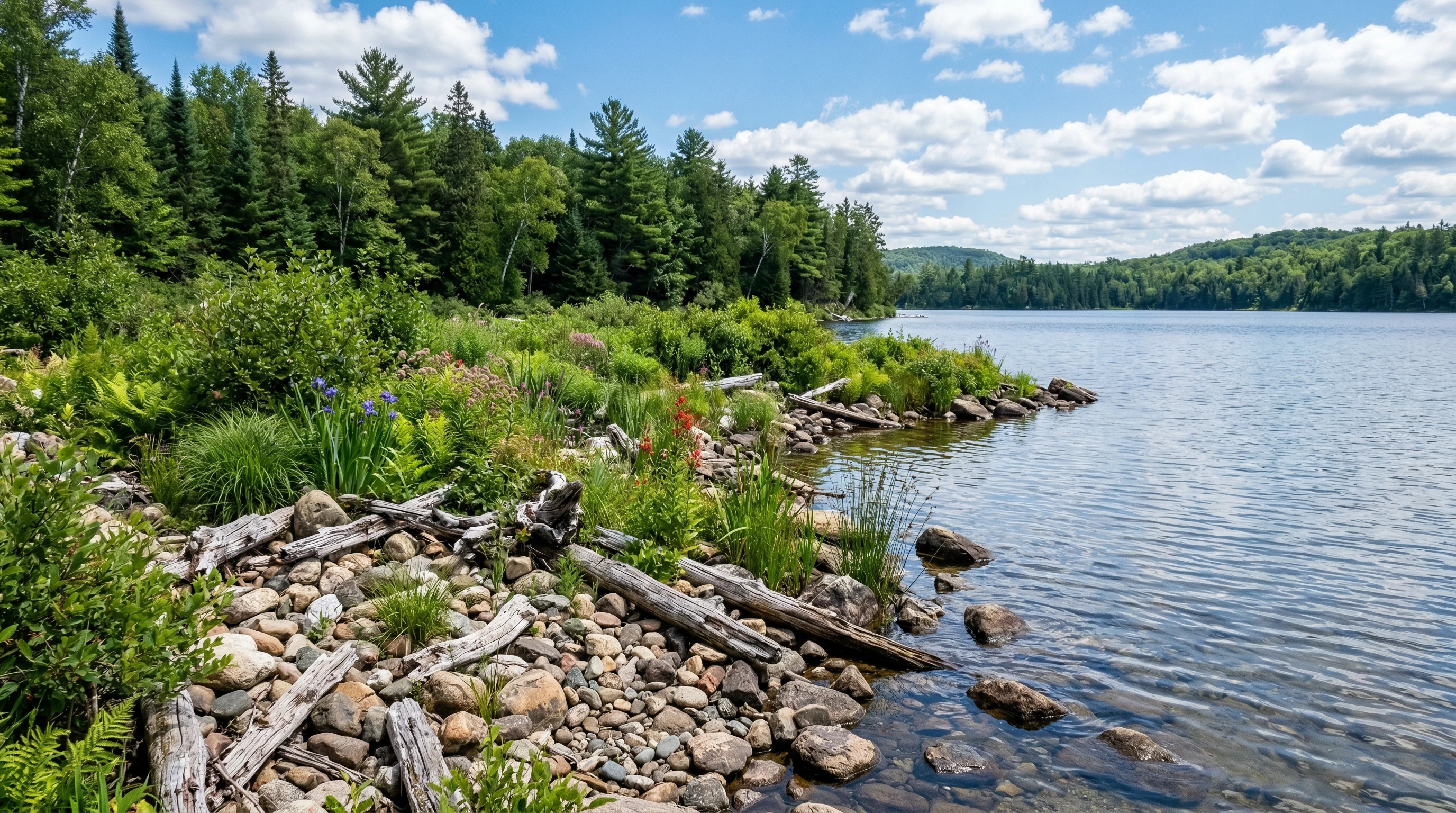
Why Shoreline Stabilization Matters
Unstable shorelines aren’t just a cosmetic issue. Erosion can quickly turn small problems into big ones, affecting water clarity, plant life, and the homes of fish and birds. If you live near the water, you probably know how tough it is to stop the gradual loss of land. Stabilizing the shoreline helps slow or stop erosion, keeps the water clean, and protects habitats. When done thoughtfully, these efforts blend right in with the landscape instead of creating harsh, artificial barriers.
Shoreline stabilization is not just about protecting property; it helps keep the balance of natural systems. Projects that use living plants, fallen logs, and rocks support both long-term erosion control and the local ecosystem. I’ve found that when people use native materials and focus on plant-based solutions, they often get a shoreline that looks as good as it works. According to research by conservation groups, healthy, vegetated buffers can reduce erosion and filter runoff, making them a top choice for many do-it-yourselfers (USDA NRCS).
Getting Started: Key Terms and Basics
Jumping into DIY shoreline projects can feel overwhelming if you aren’t familiar with some of the common terms or techniques. Here are a few to know:
- Buffer zone: This is a strip of plants (usually native grasses, shrubs, and wildflowers) between the water and your lawn or home. It slows water flow, filters out pollution, and helps hold soil in place.
- Riprap: Large rocks placed along the shoreline to prevent soil from washing away. Often mixed with plants for a natural look.
- Coir logs: Long rolls made of coconut fiber. They support new vegetation, provide a natural barrier, and eventually break down harmlessly.
- Bioengineering: Using living plants or plant-based materials instead of hard, artificial structures.
Steps for DIY Natural Shoreline Stabilization
I’ve gathered steps that make the process more manageable, especially for those who want to control costs and keep the natural setting intact.
- Assess Erosion and Water Flow: Check where erosion happens most, how water moves, and whether wave action or runoff is causing the problem.
- Choose Native Plants: Native vegetation grows deep roots that stabilize banks. Find out what works well in your area by checking with local nurseries or natural resource agencies.
- Plan the Slope: Gentle slopes are easier to stabilize. Steeper banks may need a combination of methods, such as plants plus natural logs or rocks.
- Install Erosion Fabrics or Coir Logs (if needed): For areas with a lot of recent erosion, use natural fiber mats or coir logs to help set the new plants and break up wave action.
- Plant in Layers: Mix grasses, flowering perennials, shrubs, and small trees. Layering gives better root structure and habitat for animals.
- Limit Lawn Near the Water: Grass lawns have weak roots and don’t hold soil well. Keeping a wide natural buffer is more effective than extending turf up to the edge.
- Monitor and Maintain: It takes a year or more for a planted shoreline to mature. During this time, watch for areas that need help or replanting, and be patient as the roots take hold.
Common DIY Methods for Natural Shoreline Stabilization
I prefer using strategies that look great and keep water healthy for years. Here are a few natural methods that work well for homeowners:
- Live Staking: This method uses cuttings from native woody plants (such as willows or dogwoods) stuck into moist soil to take root and grow. It’s low cost and easy but usually works best in spring or fall.
- Vegetated Buffers: Planting a mix of native wildflowers and grasses forms a thick strip between lawn and water. The roots knit together, holding the soil even when water levels change.
- Natural Fiber Rolls: Coir logs or straw wattles set into eroding banks catch sediment and support the roots of new plants. Over time, they blend right in as they decompose.
- Driftwood and Log Placement: Strategic use of logs acts as a natural breakwater, deflecting wave energy and helping plants set roots. I’ve seen this method work especially well in lakes and calmer riverbanks.
- Rock Gardens (Riprap with Plantings): Placing rocks along the edge adds stability, but tucking plants into the gaps keeps things green and inviting for wildlife. Always use large, irregular rocks and backfill with soil for plants to root.
Practical Challenges and How to Tackle Them
Every shoreline is different, so it’s helpful to know what might come up once you get started. Here’s what I typically see:
- Changing Water Levels: Water naturally goes up and down with rain and drought. I recommend choosing plants and techniques that tolerate some flooding, such as willows or native sedges.
- Wave Action: Boats and wind can increase erosion. Natural logs, large stones, or coir logs can break up wave energy before it reaches delicate roots.
- Establishing Plants: The first year is the hardest for new vegetation. Watering in dry periods and keeping out foot traffic is really important until roots grow deep.
- Permits and Regulations: Some projects need approval from local authorities, especially if you live on a regulated waterway. It helps to check first so you don’t run into trouble.
Changing Water Levels
Fluctuating water levels are normal for most lakes and rivers. That’s why I always choose a variety of plants; some for underwater, some for dry spots. For example, soft rush, blue flag iris, and dogwood will handle seasonal flooding or drought well.
Boat Wakes and Heavy Erosion
If powerboats are common in your area, consider using larger rocks or anchored logs. These add instant protection and support for new plantings. I learned from experience that mixing several methods usually lasts longer than sticking to one solution.
Wildlife Considerations
Natural stabilization methods encourage wildlife, but that can mean more hungry beavers or muskrats. Protecting young plants with mesh or repellant sprays can give them a better chance to mature.
Advanced Tips for a Natural Look
Creating a shoreline that looks wild instead of artificial is about focusing on plant choices, arrangement, and upkeep.
Layer Plant Heights: Use tall shrubs in the back, followed by flowers and grasses toward the water. This builds habitat for songbirds, frogs, and pollinators.
Mimic Local Habitat: I walk around nearby lakes or rivers to see which plants do well naturally. Using similar species means less maintenance and keeps the shoreline feeling like a real part of the environment.
Add Natural Features: Mix in rocks, logs, and woody debris to make the edge feel like it belongs there. These elements also support turtles and amphibians looking for shelter.
Regular Maintenance: Remove invasive species, prune as needed and fill in bare spots for better coverage. Commitment to this upkeep keeps everything stable and attractive year-round.
DIY Shoreline Stabilization: Real-World Examples
Many people want to know how this works in actual settings. Here’s an example from a lakeside cottage owner:
- After windstorms swept away the old turfgrass, they replaced the eroding bank with layers of native grasses and a handful of large boulders. They installed coir logs at the toe of the slope to help secure the fresh plantings, then filled in gaps with flowering perennials.
- The result was a much greener, softer shoreline that attracted butterflies, birds, and even frogs. Maintenance was mostly limited to weeding and occasional watering for the first year.
Professional lake associations often share case studies and plant lists specific to different regions, which can guide your design (Lake Association Shoreline Guide).
Frequently Asked Questions
When I started learning about shoreline stabilization, I had a lot of questions. Here are a few that come up most often:
Question: Can I stabilize a shoreline without using hard materials like concrete or steel?
Answer: Yes. In many cases, plant-based approaches work well and support both the land and local wildlife. Natural fiber logs and large rocks can provide extra support when needed.
Question: How long does it take for a stabilized shoreline to look natural?
Answer: Most projects look blended within one or two growing seasons, especially if you use a wide variety of native plants and include features like logs or driftwood.
Question: Is it expensive to do this myself?
Answer: DIY plant-based methods are often much more affordable than hiring contractors for hard armor. Buying young plants and natural materials locally keeps costs down.
DIY Shoreline Stabilization Brings Lasting Benefits
I’ve found that taking a hands-on approach to shoreline stabilization isn’t just about protecting land. It’s about creating something you can enjoy for years while giving a boost to your property and the local ecosystem. With a little research, some native plants, and a willingness to get your hands dirty, you can create a shoreline that’s stable, attractive, and supportive of wildlife. Jump in and start reshaping your shoreline the natural way.