
Building a seawall is a smart move for protecting waterfront property from erosion and water damage. I’ve witnessed how a well-built seawall not only preserves land but steps up the value and safety of a property. Picking the right materials and following the correct process is crucial to keep the structure sturdy for many years. Mistakes in the process often end up costing much more down the line, both financially and in potential property damage. Based on experience, being aware of the most common pitfalls is a wise way to keep your project running smoothly from start to finish.
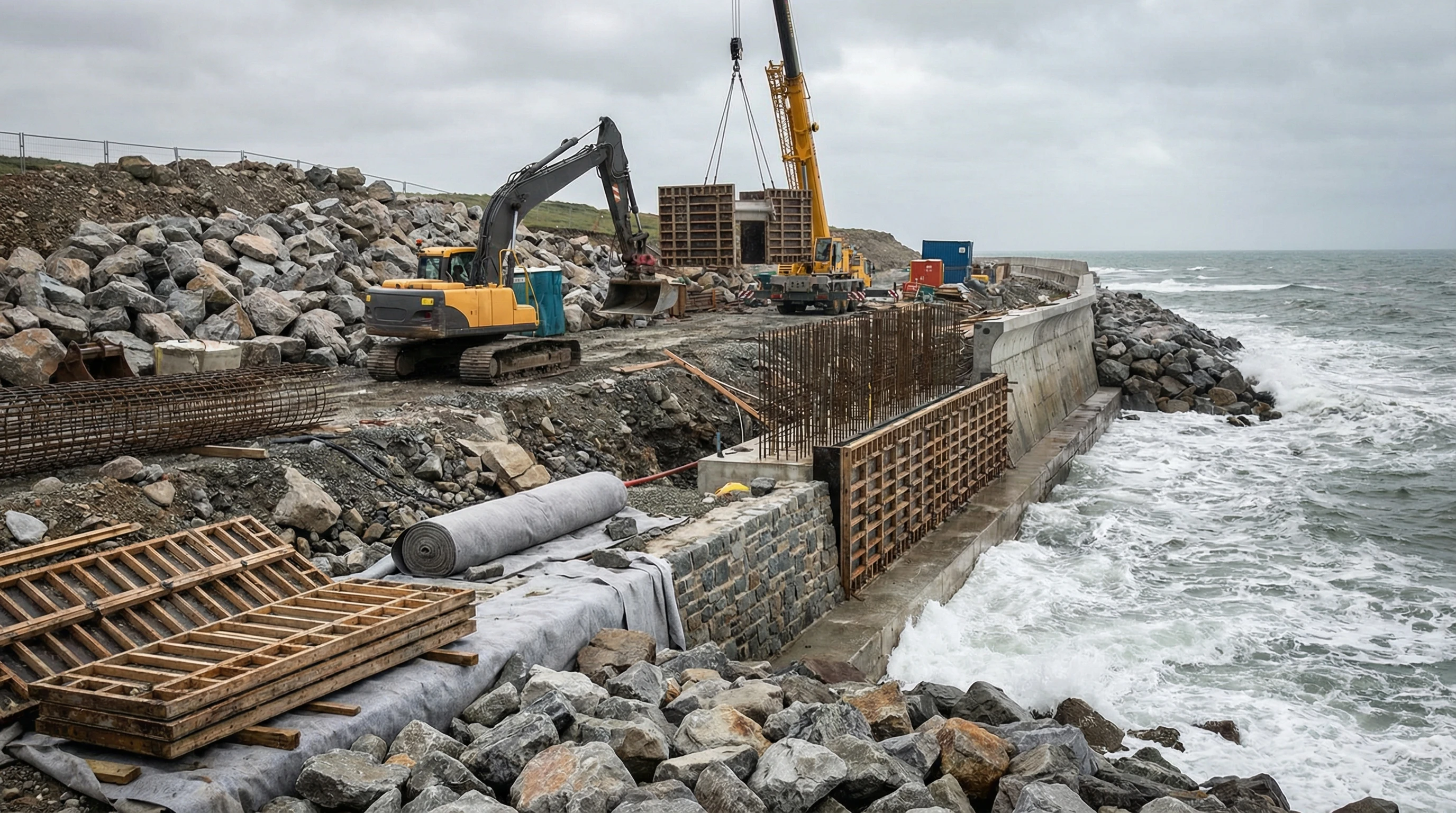
Understanding the Basics of Seawall Construction
A seawall is built to serve as a barrier between land and water. Its main goal is to cut down on the force of waves, prevent land erosion, and guard buildings near the shoreline. There are different types including concrete, steel, vinyl, and boulder seawalls. Each type serves specific needs depending on the local shoreline’s features, such as the strength of waves, soil makeup, and range of tides. If you’re unsure about which is right for your location, check with a coastal engineer or contractor who knows your area.
The building process usually starts with a property survey that checks out the shoreline, water flow patterns, and soil stability. Builders then select materials, plan out drainage, and pinpoint where the wall should actually go. Skipping a solid assessment or choosing the wrong materials ends up causing early failure. The success of your seawall depends on building it for the right conditions.
Common Planning Mistakes
Planning is one of the most important stages in seawall building. A common mistake is jumping in without getting the required permits and surveys. Most local and state authorities have rules for shoreline work. Not having the proper permissions could lead to fines or the need to tear down and rebuild later.
Another issue is underestimating how water moves in your area. Tides, currents, and wave energy all play a role in how a seawall should be built. Ignoring these factors can produce walls that are too short, too thin, or simply in the wrong place. Spending time to research local water conditions prevents these headaches and saves unnecessary costs.
- Skipping site surveys: If you don’t check the soil type and stability, your wall may settle unevenly or fail much sooner.
- Not checking local regulations: Every area may need different permits or follow certain design rules. Taking shortcuts here causes more trouble later.
- Underestimating tidal and storm impact: If the design doesn’t factor in the highest possible water levels, waves or storm surges can easily wash over the wall.
Poor Material Choices
Picking the right materials makes a huge difference in a seawall’s durability. Some people try to save money and use whatever is cheapest, only to see their wall wear out quickly. I always recommend picking strong materials that fit your shoreline’s requirements.
For saltwater locations, corrosion resistant materials such as vinyl or treated timber will usually last longer than untreated steel or basic concrete. In some places, stone or boulders not only look eye-catching but also hold up well to strong currents. However, in others, these might not stay in place unless you reinforce them. Using backfill that washes away easily can also weaken the structure in just one storm season.
- Cheap or mismatched materials: Using untreated lumber or basic steel without protection speeds up rust or rot.
- Nonlocal materials: Bringing in unfamiliar rock or fill might not react well with the existing soil or water chemistry.
- Poor drainage rock choice: Fine grained materials around drainage pipes will clog and lead to wall blowouts.
Ignoring Proper Drainage
Water pressure build-up behind the wall is probably the number one reason I see for seawall failure. Without enough drainage, hydrostatic pressure pushes the wall outward or causes cracks and leaks over time. Adding weep holes or drainage pipes lets water escape from behind the structure.
Another mistake is not protecting these drains from clogging. Even with pipes installed, if you don’t surround them with filter fabric or coarse gravel, sediment will stop water flow. Keep up with maintenance by checking drains every few months, especially after heavy rain.
Cutting Corners on Foundations
The foundation supports the entire seawall, so this step should never be rushed. Not digging deep enough or laying a base on unstable soil causes uneven settling, tilting, or sometimes outright collapse. Wind, water, and pressure erode weak foundations quickly, especially during storms or floods.
I’ve seen some DIY projects where people only bury the wall a foot deep, thinking it’s enough for a small lake. Even in calm places, a shallow foundation is risky. A good guideline is to bury at least a third of the wall’s height or go deeper if you’re near the ocean.
- Shallow footings: The wall cannot resist tipping without a deep foundation.
- No support for soft soils: Special supports like sheet piling or anchors are needed when the earth is loose beneath the wall.
Poor Construction Practices
The way a seawall is built is just as important as the plan. Rushing the build can leave gaps between panels, missed reinforcement, or uneven heights. Even something simple like pouring concrete on a rainy day can weaken its structure and create early cracks.
I always advise property owners to hire contractors with direct experience building seawalls, not just general landscapers. It truly pays off over the long term. A smaller, well-built wall outlasts a taller but sloppily made one every time.
- Misaligned panels: If sections aren’t level, water finds a way through quickly.
- Insufficient reinforcement: Skipping steel bars or tiebacks makes the wall weaker under wave impacts.
- Poor concrete curing: Allowing concrete to dry too quickly, or pouring during wet weather, creates weak segments.
Lack of Maintenance Planning
Even the most professionally built seawalls need regular checks. Natural settling occurs over time, and water will always seek out weak spots. Tiny cracks, loose stones, or blocked drains are signs I always check for. Skipping inspections can turn an easy fix into a bigger and much costlier repair.
With consistent checks, you can spot loose boards, rust, damaged tiebacks, or sediment buildup early. Most fixes are simple if caught soon but get more complicated and pricey the longer they wait.
- Not inspecting after storms: Bad weather can quickly move stones, tilt panels, or block drains.
- Delaying repairs: Small issues, like hairline cracks, widen fast if ignored for too long.
- Overgrown plants: Roots from bushes or trees too close to the wall can weaken it in just a few years.
Seawall Construction: Frequently Asked Questions
What is the most common cause of seawall failure?
Hydrostatic pressure from trapped water, plus drainage or foundation problems, is the number one cause of seawall failure. Adding drainage pipes, weep holes, and cleaning them often is the best way to avoid this.
How do I pick the best material for a seawall?
The choice depends on how much wave action there is, soil type, and your budget. In saltwater, corrosion resistant stuff like vinyl or concrete lasts longer. In freshwater, treated wood or boulders can work well. Talking to a veteran coastal contractor will help nail down the right pick.
Can I build a seawall myself?
Some folks tackle smaller lake walls as DIY projects, but ocean or riverside seawalls really need a professional crew. Mistakes here are much harder and pricier to fix later on than doing it right up front.
How often should I check my seawall?
It’s a good idea to inspect every six months and always after strong storms. Make sure the drainage is clear, and check for cracks or bulges along the wall.
Wrapping Up: Avoiding Expensive Seawall Construction Errors
Building a seawall gives peace of mind for waterfront homeowners, but only if the work is done smart. Cutting corners, picking cheap stuff, or ignoring regular care guarantees expensive problems later. Focus on a careful site assessment, strong foundation, good materials, and steady maintenance to set up a seawall that will shield your land and investment for years.
Reach out to seawall professionals for advice, especially on ocean or riverfront builds. Small investments in planning and prevention always save more than expensive repairs later. Stay on top of things, and your seawall will do what it’s meant for: keeping your property safe year after year.