
Coastal construction, while often rewarding, presents some unique legal challenges that can catch even experienced developers by surprise. Building close to the shoreline involves more than design and engineering. There are specific laws that protect the coast, its ecosystems, and public access. When I’m thinking about starting a coastal project, understanding these legal requirements can really help me avoid delays and unexpected costs. This article explains some of the common legal hurdles in coastal construction that you’ll want to keep in mind if you’re planning any building or development along coastal zones.
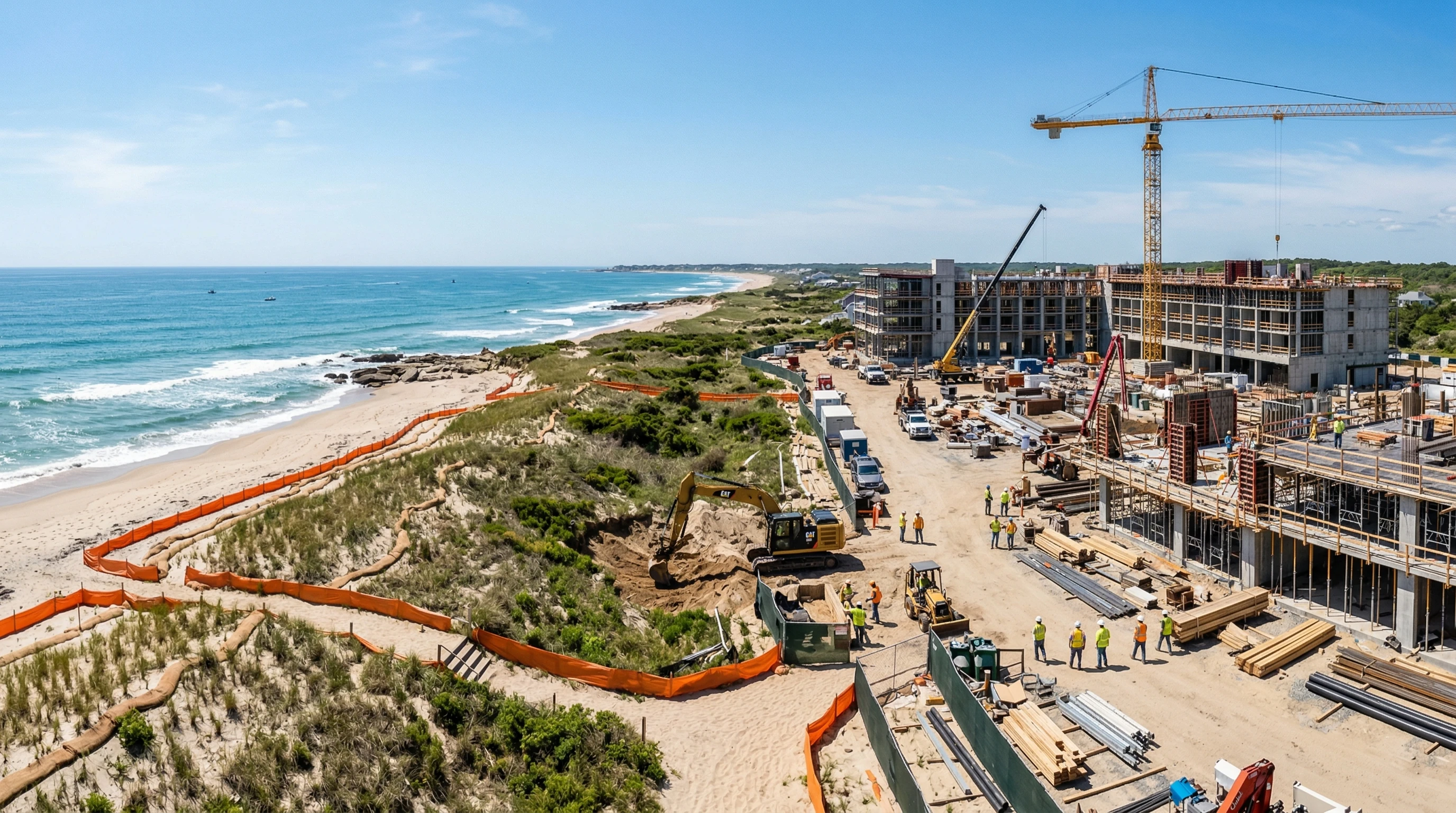
Overview: What Makes Coastal Construction Legally Complex?
Coastal areas are environmentally sensitive and often face heavy development pressure. Because of this, multiple layers of regulation apply to projects near the shore. Many local, state, and federal rules are in place to protect coastal resources, public safety, and future land use. When I work in these areas, building while following these rules is just as important as the construction work itself.
Public agencies like the U.S. Army Corps of Engineers, state coastal commissions, and local zoning boards all get involved. There are rules about erosion control, floodplain management, wetlands protection, and endangered species habitats. Permits are required at almost every step. Being aware of these challenges helps me plan my projects with fewer setbacks. On top of this, there is often the need for consistent communication with multiple stakeholders to ensure that the project is compliant with changing regulations. A strong understanding of how these agencies interact can save significant time and expense.
Key Legal Challenges in Coastal Construction
Some of the most common legal challenges come down to these areas:
- Permitting and Regulatory Approvals: Coordinating approvals from agencies at different levels.
- Coastal Zone Management: Following state and local land use plans for shorelines.
- Environmental Protection Laws: Balancing construction with laws protecting wetlands, wildlife, and water quality.
- Property Rights and Public Access: Respecting both private ownership and public rights to beaches.
- Climate Change and Resilience Standards: Designing to manage risks from storms and rising seas.
Permitting and Regulatory Approvals
Coastal building projects usually need several different permits. In my experience, the process often starts with federal laws like the Clean Water Act and the Coastal Zone Management Act (CZMA). Projects that could impact waterways or wetlands may need approval from the U.S. Army Corps of Engineers. Each state also has its own rules, often through a coastal commission, land use board, or department of environmental protection.
Each permit comes with its own requirements for studies, environmental reports, and public comment periods. This process can be time-consuming. I find that working with an experienced environmental consultant or a local attorney can help smooth out this paperwork and reduce the risk of missing something critical. Sometimes, the process includes substantial review periods or calls for additional modifications to the plans, which can stretch timelines. Being thorough from the beginning gives a project the best chance at steady progress.
Common Types of Permits Needed
- Local building permits for any new structure or renovation
- Wetlands or waterway permits if a project touches regulated areas
- Endangered species permits when building near protected habitats
- Stormwater management and erosion control plans required before grading begins
Each step can hold up work if not handled right from the start. I recommend reviewing the full list of needed permits with your team before hiring contractors or beginning any site work. In some cases, neighbors or interest groups may also be able to submit concerns during permit review—so anticipate public scrutiny and be prepared to address it.
Coastal Zone Management and Land Use Laws
States with shorelines typically have their own coastal management programs. These programs are designed to keep public access open, limit overdevelopment, and reduce environmental impacts. Local zoning ordinances often set stricter requirements for lot size, height, setbacks from the water, and use of seawalls or other hardened structures.
Knowing whether a property falls into a “coastal zone” under state or local rules makes a big difference in how a project can proceed. For example, any development in California’s coastal zone generally needs approval from the California Coastal Commission. In Florida, the Department of Environmental Protection handles coastal construction permits for the beach and dune system.
This means careful research helps buyers make informed decisions before purchasing or building on coastal land. Sometimes there are even overlay districts, like “critical dune areas” or “high-hazard flood zones.” Each one has its own standards, so it’s super important for me to map out jurisdictions before making design or investment decisions. Consulting with land use experts or local authorities before submitting plans can head off problems later.
Environmental Protection Obligations
Coastal ecosystems, including beaches, marshes, and dunes, are home to protected wildlife and plants. Federal laws like the Endangered Species Act and Clean Water Act often apply. Builders have to avoid or tone down harm to these sensitive resources.
When I’m working near wetlands, it usually means required setbacks, limits on disturbing soil, or changing construction methods. Sometimes mitigation measures like creating new wetlands or restoring damaged ones come into play. These extra responsibilities can add both time and cost to projects, so planning for them early is really important. It helps to work closely with environmental specialists who can help identify protected habitats and step up efforts to keep native vegetation intact.
Protected Species and Habitat Concerns
- Sea turtles and their nesting sites are legally protected on many U.S. beaches. Construction may need to pause during nesting season or use special lighting.
- Marshlands and tidal wetlands are protected against drainage, filling, or destruction for construction. Alternatives must often be considered.
- Dune vegetation may not be removed, according to state or local rules, since these plants stabilize the shoreline.
For details, the U.S. Environmental Protection Agency’s guide to wetlands permits offers more on federal-level regulations. Following these rules isn’t just about compliance; it also helps support the health of the coastal zone overall, ensuring that developments can coexist with sensitive ecosystems.
Property Rights, Easements, and Public Access
One challenge that stands out in coastal construction involves balancing private development with the public’s rights. Laws often guarantee public access to the waterfront, even on or near private properties. This means that as an owner, I have to understand easements (legal rights-of-way) and the “mean high-tide line,” which can affect where private use stops and public use begins.
Disputes over beach access or boundaries are common. State rules can set different standards about how much of the beach is usable by the public, especially if erosion or storms move the shoreline inland. Open dialogue with neighbors and local authorities can help me avoid costly legal fights down the road. Investing time upfront to have a clear picture of where boundaries and easements lie is a smart step in avoiding disputes.
Climate Change, Resilience Standards, and Building Codes
Coastal zones face higher risks from flooding, hurricanes, and sea level rise. Modern building codes and land use plans require that new construction be more resilient. Floodplain management ordinances, dune protection rules, and wind resistant design standards are just some of the unique requirements.
If I build with current and future hazards in mind, such as raising structures on pilings, keeping construction back from eroding edges, and using materials that stand up to saltwater, I lower my risk from storms and reduce insurance costs. Ignoring these standards isn’t just risky; it can make it really hard to sell or insure the property in the future. For further official details, the FEMA coastal construction manual is a great resource. Additionally, projects that push the boundaries of these standards may face additional scrutiny from lenders and insurers, potentially complicating the path to completion and occupancy.
Sample Resilient Building Features
- Elevated foundations above flood levels
- Breakaway walls under the living space
- Hurricane rated windows and storm shutters
- Vegetated dunes to buffer wave impact
Frequently Asked Questions About Coastal Construction Law
Here are some questions I often get asked about legal issues in coastal building:
Question: Do I need a permit for every change to my coastal property?
Answer: Most coastal construction or alteration projects do require at least one permit. Sometimes even landscaping or putting up fences triggers requirements if the changes affect the shoreline or protected habitat. It’s always best to check in with both local planning offices and state coastal authorities before starting work.
Question: How do setbacks and buffer zones work?
Answer: Setbacks are the minimum distance you need between new construction and the shoreline, wetland, or dune. Buffer zones go hand in hand, protecting sensitive areas from construction impacts. These distances are defined by law and can vary based on the type of land and local regulations. Always check specific local guidelines when planning your project.
Question: What happens if I don’t comply with coastal regulations?
Answer: Failing to get proper approvals, ignoring setbacks, or damaging protected environments can lead to fines, legal orders to remove structures, or even criminal penalties. Repairs or mitigation can be very expensive. Careful planning and open communication with regulators help avoid these issues. Also, it’s a good idea to consult with a knowledgeable attorney if you’re in doubt about any particular regulation.
Smart Steps for a Smoother Coastal Building Experience
Working on a coastal site comes with added steps, but some planning can help things go more smoothly. Here’s what I’ve learned helps most:
- Meet with local planners and regulators early to go over your plans and check for unique area rules.
- Hire qualified consultants who know coastal permitting and environmental rules.
- Keep detailed records of surveys, approvals, and any environmental mitigation work, which makes responding to questions easier later.
- Adjust designs to stay out of high risk or high regulation zones where possible.
- Maintain open communication with neighbors about access and boundaries.
Every project has different challenges, but learning the basic legal issues around coastal construction can help me avoid problems and save time and money over the long run. It’s worth the extra effort to do things right and protect the coast for everyone’s benefit. Taking preventive steps not only keeps the project on track but also helps build goodwill within the community and with public agencies, making future projects easier to launch.