Balancing property protection and supporting wildlife habitat goes well beyond simple fence lines or “no trespassing” signs. For homeowners, farmers, and land managers, this is a real concern: you want buildings, gardens, and crops safe, but at the same time, you probably appreciate seeing birds, deer, and all sorts of other critters using your space. With some know-how and a little planning, you can guard what matters most while making sure your land is still a haven for all the wildlife that calls it home.
Why Balance Matters: The Connection Between Safety and Biodiversity
Property protection and supporting wildlife can sometimes feel like opposite goals, but they’re actually pretty connected. When landscapes are managed only for security—for example, bare lawns, lots of concrete, and harsh fencing—wildlife gets squeezed out. On the other hand, leaving things completely wild can sometimes invite pests, cause damage to structures, or affect crops and pets.
Healthy habitats bring big benefits. Birds eat mosquitoes, predators control rodent populations, and a diverse bit of land is more resilient after storms or dry spells. So, finding a middle ground isn’t just a “feel good” move, it can actually help prevent future property headaches.
Getting Started: Understanding Your Property and Wildlife
Kicking things off means getting familiar with both the types of wildlife in your area and the most vulnerable parts of your property. Take a casual walk around; check out the trees, shrubs, sheds, water sources, and where any fences or structures sit.
Make a list of what you see—anything from rabbits and deer to foxes, songbirds, and pollinators. Jot down the areas that seem “busy” with animal activity, and think about spots that might need extra protection, like vegetable gardens, chicken coops, or areas near your home.
- Observe Regularly: Spend a bit of time each week just noticing what’s happening on your land, especially in early morning or evening. Patterns start to show up that help with planning.
- Note Wildlife Movement: Check for trails, droppings, or nests. These signals tell you where wildlife is active and where your property meets wild habitat.
- Spot Risks: Look for signs of damage, such as nibbled plants, holes, or disturbed soil. Knowing what’s a real risk helps you prioritize which spots need adjusting first.
Smart Strategies for Protection Without Exclusion
Creating strong boundaries does not mean shutting out all wildlife. The real trick is blocking out destructive behaviors while still supporting the day-to-day needs of local creatures that live nearby.
- Selective Fencing: Choose wildlife friendly fencing, such as mesh that is small enough to keep out deer but big enough for smaller animals to slip through. Installing fences just around gardens or specific plants, instead of the entire property, keeps important movement corridors open for wildlife.
- Natural Barriers: Dense shrubs and plantings block views, slow animal movement, and offer wildlife shelter without the rigid lines of a standard fence.
- Secure At-Risk Zones: Use stronger hardware on shed doors and livestock enclosures if there’s a risk from predators. For pet food, trash, or compost, a sturdy bin can give a big boost to your protection.
- Keep Things Tidy Where It Counts: Tall grass or brush close to buildings can invite rodents or snakes, so keep a neat buffer zone near house foundations, garages, and sheds. This small switchup helps control pests around people spaces.
Supporting Wildlife Habitat: Small Changes That Go a Long Way
Once your most vulnerable spots are protected, focus on making the rest of your land more friendly for local wildlife. Even a few changes can create a welcoming environment for all kinds of species.
- Plant Native Species: Native flowers, grasses, trees, and shrubs naturally support local wildlife with shelter and food. These additions can make your yard more resilient and beautiful, giving a boost to the ecosystem.
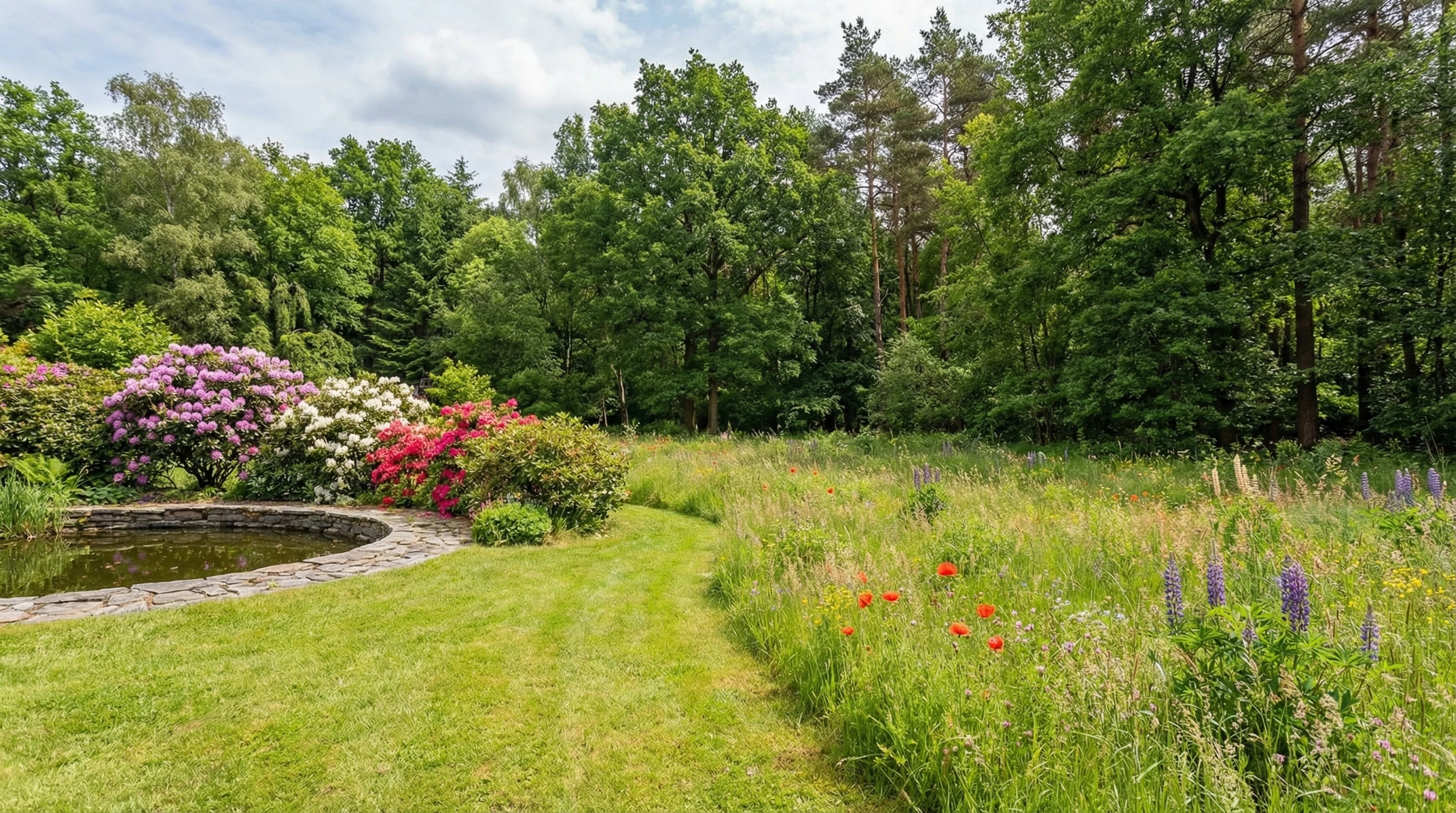
- Leave Some “Wild” Areas: An unmowed patch of grass, a brush pile, or a few dead branches can offer important cover and nesting spots for birds, reptiles, and insects. It’s a simple move, yet has big payoffs.
- Add Water Features: A birdbath, small pond, or even a water dish can support birds, amphibians, and mammals, especially during times when water is scarce.
- Reduce Chemical Use: By avoiding harsh pesticides or fertilizers, you protect pollinators, soil creatures, and keep the food chain healthy for larger animals. Start small, and you’ll see more healthy bugs and birds in a short time.
Little actions—like swapping out nonnative plants for native ones, setting out bee blocks, or letting leaves pile up in a corner—quickly bring in butterflies, frogs, and other beneficial visitors.
Balancing Protection for Pets, People, and Pollinators
Many property owners worry about keeping pets and family safe, too. Choosing nontoxic or humane options for pest control makes it easier to care for everyone, including wild neighbors. Focus on prevention instead of dangerous traps or poisons that may have unintended effects.
- Pet Safety: Keep cats indoors or provide a catio if protecting birds is a priority. For dogs, regular walks and playtimes discourage roaming and chasing local fauna.
- Pollinator Protection: Mow lawns less often and plant flowering strips away from high-traffic areas to help bees and butterflies thrive without risking stings near play spaces.
- Barrier Placement: Place berry bushes or veggie plots farther from dense woods or wild spaces. Proper spacing helps tone down surprise visits by deer or rabbits.
With a touch of planning, you can enjoy the outdoors with children and pets, knowing the area is as safe as possible without causing trouble for local wildlife. These are small shifts that make a real impact on daily life, ensuring everyone coexists peacefully.
Common Challenges and How to Find Your Way Through Them
Managing property and habitat at the same time doesn’t always go smoothly. Here are some practical ways to handle common bumps and setbacks without losing momentum or hope:
- Sudden Animal Damage: Catching damage early, such as fresh nibbles or dug-up roots, makes it much easier to adapt quickly. Use temporary fencing or motion-activated lights for a fast fix when wildlife pops up suddenly.
- Pest Problems: An increase in rodents or insects might mean the ecosystem got thrown out of whack. Installing owl boxes, adding thickets for hawks or snakes, and letting in natural predators can bring balance without resorting to poisons that ripple through the food chain.
- Neighbors with Different Priorities: When nearby properties are managed strictly or left to overgrow, start a friendly chat and try to find a compromise. Sometimes, simple buffer zones or mutual plantings are enough to smooth things out.
When Fencing Alone Isn’t Enough
Some wildlife, like raccoons or squirrels, are worldclass climbers and problem solvers. Adding predator guards, trimming trees away from roofs, or using electric fencing (clearly marked and safe for pets and people) can limit access to stubborn areas. Combining these steps gives you more security without disrupting wildlife habits altogether.
Habitat Boosting Projects Worth Trying
Tackling small yard improvement projects over time turns your property into a much richer environment. Simple tweaks like these aren’t just decorative—they can actually cut down maintenance and make your land more resilient against weather and pests.
- Build a Brush or Log Pile: Provides shelter for chipmunks, toads, and insects. It’s easy to make using fallen branches or clippings, so it’s a win-win for tidying up and giving creatures a home.
- Install a Pollinator Garden: Pick a sunny, low-traffic spot and fill it with clumps of native flowers. Bees and butterflies will thank you by boosting crops and flowers near your garden beds.
- Create a Seasonal Water Source: Even a shallow dish set on rocks or a rain garden does wonders during dry spells. Frogs, turtles, and beneficial bugs will quickly find their way there.
Projects like these can start small and build up year after year. Improving habitat isn’t an all-or-nothing job; even one patch of wildflowers or a single brush heap can make a big difference over time. It’s about ongoing effort, not perfection, so start where you can and watch improvements grow.
Frequently Asked Questions
Sorting through what works best for your property takes some guesswork, so here are answers to a few common questions people often ask about balancing protection with wildlife needs.
Question: Is it possible to keep deer out of my vegetable garden without hurting them?
Answer: Tall fencing around just the garden area works well. If deer are extra determined, doubling up with scented deterrent sprays or motion-activated sprinklers usually helps.
Question: Will providing birdhouses or feeders increase risks for my home or pets?
Answer: Placing houses or feeders farther from buildings and regular cleaning will limit mess or pests. Keep birdfeeders high and away from pet areas to avoid conflict.
Question: How do I know if my habitat changes are making a difference?
Answer: Keep track of the number and types of animals or insects you see each season. Increased pollinators, songbirds, or helpful predatory insects (like ladybugs) are great signals you’re on the right track.
Final Thoughts
Balancing property protection with wildlife habitat isn’t a one-time job. It’s more of a season-to-season process, with observation, trial and error, and small changes slowly adding up to land that’s both safe for people and inviting for wildlife. It’s definitely a challenge, but it pays off with fewer pests, more pollinators, and the simple joy of sharing space with nature every day. You’ll always find something new to learn, and every bit of effort adds up, creating a more vibrant property for everyone—neighbors with feathers, fur, scales, and the ones with front door keys alike.