
Sustainable seawall construction along coastlines is getting more attention than ever before. As a coastal construction expert, I team up with property owners, engineers, and environmental agencies who want solid barriers that can handle tough environments while making sure local ecosystems stay healthy. Today, I’m sharing all the key strategies and practical advice you need about ecofriendly seawall building methods—showing how these practices are making a positive difference for shorelines and coastal communities alike.
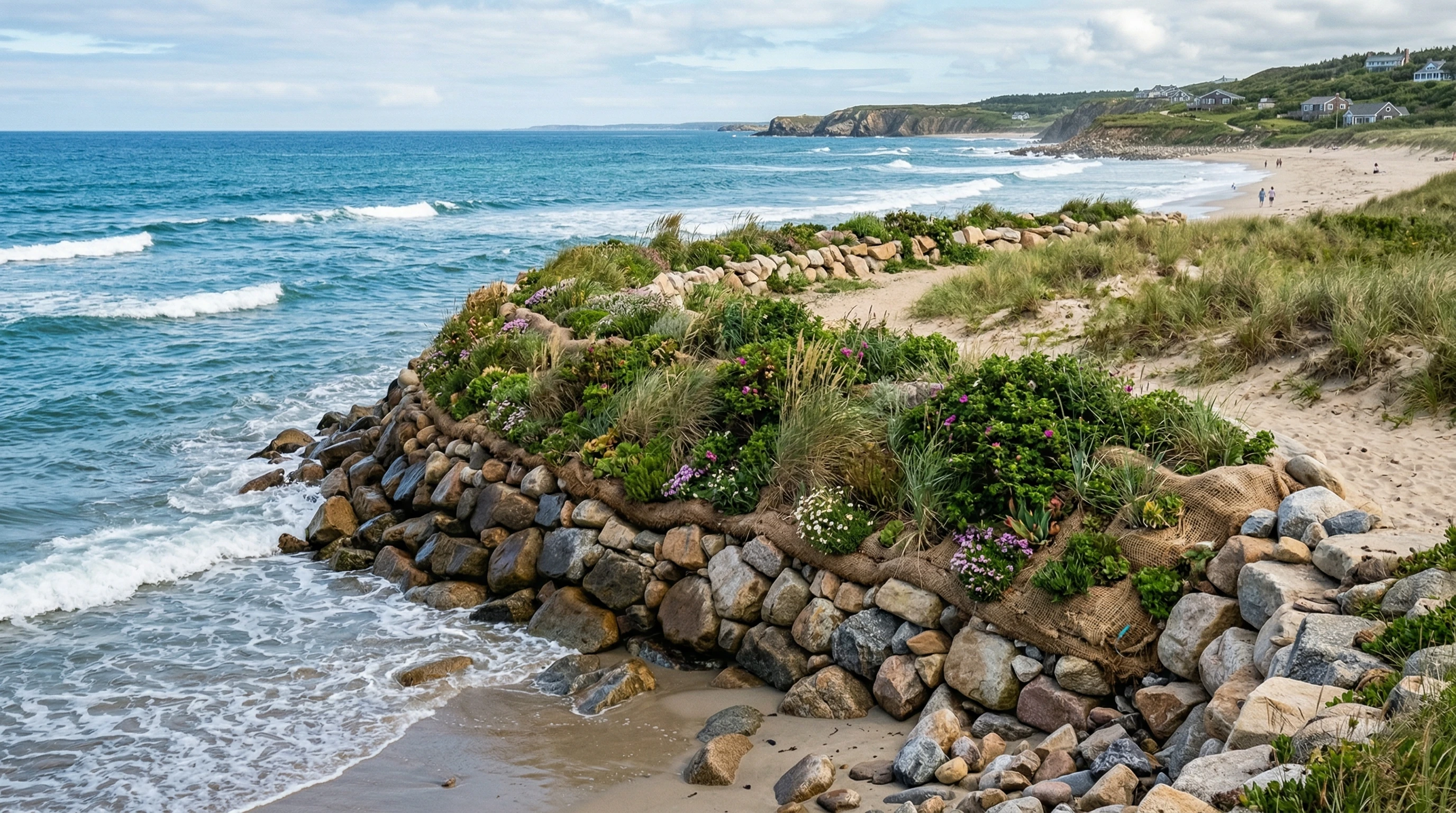
Understanding Sustainable Seawall Construction
Traditional seawalls, usually made from concrete or steel, have long been used to protect coastlines. However, I’ve noticed these types can create problems over time. They often block natural sand movement, reflect damaging wave energy, and put nearby habitats at risk. Over decades, the effects can become much more severe, requiring frequent repairs or even complete rebuilds, which adds to costs for both property owners and local governments.
Sustainable seawall design works to reduce these issues. The main goal is to balance shoreline defense with ecofriendly materials and construction techniques that support local ecosystem restoration and keep the area resilient. Achieving both strength and low environmental impact is crucial for lasting performance and maintaining the biodiversity of our shores.
This growing trend is also connected to new coastal regulations and increasing awareness about threats like coastal erosion, sea level rise, and habitat loss. More projects today require assessments to figure out how your chosen building methods will affect the shoreline and the plants or wildlife living in the area. Taking these extra steps at the beginning helps build a project with staying power and gets community support—it’s a win-win for everyone involved.
Core Principles of Ecofriendly Seawall Design
In my experience, a sustainable seawall goes beyond appearances. Here are the main ideas I always pay attention to:
- Use of Local and Natural Materials: I often use stone, oyster shells, recycled wood, or biodegradable barriers that naturally fit into the environment and give strong protection.
- Resilient, Flexible Shapes: Curved or terraced seawalls scatter wave energy in a gentler way than flat straight walls, which means less erosion and scouring at the base.
- Bringing in Living Shoreline Features: Adding native plants, natural reefs, and small tide pools helps fix up habitat and makes water quality better.
- Adaptive Engineering: I regularly stick to approaches that allow the structure to adjust as needed, so repairs are targeted at specific sections instead of having to replace the whole wall.
Each site is different. From local soil types and wave patterns to unique community priorities, every detail counts. That’s why I always look at these factors before even starting the design process.
How to Start with Sustainable Seawall Construction
Planning ahead shapes how well a sustainable seawall stands the test of time. If you’re a property owner or developer thinking about a new seawall or upgrading an existing one, here are the main steps I recommend:
- Talk to Local Authorities and Experts: Start by checking what coastal development rules apply in your area and find a builder who knows ecofriendly approaches.
- Size Up the Site: Doing a full review of shoreline erosion patterns, soil strength, and current habitats will guide what type of wall makes sense.
- Pick the Right Materials: I help clients compare options—from interlocking stones to mixed walls with planted terraces—so the final result looks natural and supports local wildlife.
- Incorporate Natural Buffers: Add plants, sand dunes, or shell reefs to lessen wave impact and help the ecosystem bounce back.
- Plan for Ongoing Maintenance: I always make it simple to access the seawall for checks or repairs so small issues don’t turn into big problems down the line.
Teaming up with local conservation organizations can help speed up approvals and make sure your seawall is part of a bigger plan to fix up habitats on the coast. Sometimes, these groups help with funding or provide the plants and materials you need.
Common Challenges in Building Sustainable Seawalls
Ecofriendly seawalls aren’t without their obstacles. Here are common issues I run into and how I work to solve them:
- Permitting and Regulatory Roadblocks: Environmental permits take time, and what’s required changes from place to place. Working with regulatory agencies early, and focusing on how your project steps up local habitats, can really smooth the way.
- Material Sourcing: Getting local, low-impact materials on schedule is sometimes tough. I choose suppliers with records of environmental responsibility and reach out to local quarries or recycling centers.
- Balancing Cost and Durability: Some sustainable materials might cost more upfront but save money for maintenance later. Helping clients see the entire life cycle cost is key, not just what they pay on day one.
- Changing Coastal Conditions: Erosion, tides, and storms are unpredictable. That’s why I include modular features that make repairs quick and affordable.
Permitting and Local Regulations
My experience shows that clear, early conversations with planning departments help move things forward, especially if you can show how the project gives a boost to local habitats. Public meetings, community forums, and even social media updates are effective tools for sharing your plan and getting community buy-in before the first shovel hits the ground.
Durability Against Severe Weather
Sustainable seawalls need to stand strong during major storms and periods of high water. I lean on stepped or gently sloped shapes to spread out wave energy, reducing stress on the wall. Features like built-in drainage holes, deep anchors, and layers of geotextile fabric help keep everything in place—even when conditions are rough.
Tips for Choosing Sustainable Seawall Materials
Picking the right materials makes a huge difference in your seawall’s sustainability and how well it blends in with nature. Here are some great options I use frequently:
- Natural Stone: Boulders and cobbles provide both strength and little pockets for marine life to thrive.
- Geotextile or Biodegradable Mats: These help stabilize the wall’s base and encourage vegetation to fill in naturally.
- Engineered Oyster Reefs: Shell-filled bags placed along the water’s edge soak up wave energy while helping oyster populations grow.
- Planted Terraces: Local grasses and marsh plants keep soil in place and filter runoff, serving as a living buffer for your wall.
Each material comes with its own pros and cons when it comes to looks, how tough it is, and cost. Often, the best route is to mix materials to fit your property’s shape, expected upkeep, and the needs of the nearby wildlife.
Benefits of Sustainable Seawall Practices
Switching to ecofriendly methods pays off in many ways. Here are some of the improvements I’ve seen in recent projects:
- Less Shoreline Erosion: Gentle energy breaks up waves, which slows down how quickly sand and soil get swept away.
- More Wildlife Habitat: Living shoreline additions and natural materials help fish, crabs, birds, and other animals make their comeback along the coast.
- Cleaner Water: Plants and oyster reefs filter runoff, removing sediment and harmful stuff before it hits the water.
- Stronger Community Resilience: Ecofriendly seawalls are often simpler to fix after storms and get wider public support, especially when several properties team up on a project.
Homeowners often say they feel peace of mind when native plants start to grow around their seawall, knowing their shoreline is safe and the scenery is even more eye-catching. Local agencies also sometimes highlight these projects as success stories in restoring and protecting the coast.
Frequently Asked Questions
Here are some questions I hear a lot about sustainable seawall construction:
Question: How do I know if a sustainable seawall is right for my property?
Answer: Most properties can include at least some ecofriendly elements, but getting a site assessment from a coastal engineer is the best way to choose the right combo of techniques, based on your shoreline shape, soil, and wave action.
Question: Is a sustainable seawall as strong as a traditional one?
Answer: With smart design and the right materials, sustainable seawalls protect just as well. Their flexible features and scheduled upkeep help them last through storms and floods.
Question: Will building a sustainable seawall cost more?
Answer: Some greener options are a bit pricier to start, but they’ll likely save money later through reduced repairs and lower environmental impact. Plus, many places now have grants or tax breaks for going green on the shoreline.
Sustainable Seawall Building in Action
Switching to ecofriendly approaches does more than just help the environment. From my projects, I’ve seen how living shoreline features, flexible wall shapes, and local natural materials create seawalls that look beautiful, stand up to tough weather, and support local communities. Over the years, the long-term bonuses include tougher coastlines, healthier habitats, and less stress about future storms or changes in the climate.
If you’re planning a coastal property project, put sustainable options up front in your plans. Work with experienced pros and connect with local conservation partners to make your greener, more resilient seawall project a reality. By changing how we build on the shore, we’re protecting the coast and investing in thriving communities for generations to come.