
Construction changes landscapes, uses a lot of resources, and makes waste. Because of this, I pay close attention to how every step of a building project can affect the natural environment. To keep environmental damage down, I mix careful planning, smart resource use, and picking better building methods. If you want to reduce your impact during construction—whether you’re a contractor, project manager, or a homeowner starting a home project—there are practical steps you can take.
Understanding the Environmental Impact of Construction
Any construction job, big or small, affects air, land, water, and local wildlife. Activities like clearing land, moving soil, operating heavy machines, and storing building supplies create noise and air pollution. Construction can damage water quality, soil health, and destroy habitats. The International Energy Agency points out that the built environment sector produces about 37% of worldwide carbon emissions, with a big part coming straight from construction work.
Big projects use heaps of raw materials, produce huge amounts of waste, and often rely on fuels or chemicals that can leak into the ground or water. Even smaller jobs can add up risks if you don’t take the right precautions. I find that figuring out where the biggest risks are—like erosion, chemical runoff, or waste piles—makes it much easier to plan for steps that really help.
Key Steps for Limiting Environmental Damage During Construction
Keeping the mess down starts before anyone even grabs a shovel. Planning, training, and following best practices are crucial. Here’s how I handle this:
- Site Assessment and Planning: I start by checking the site carefully to spot things like streams or wildlife zones. Early planning means I can dodge sensitive areas and set up drainage and stormwater management before problems start.
- LowImpact Design: When I get the chance, I choose layouts that blend in with the land rather than flattening everything. Simple tweaks, like changing where a road or fence goes, can save plenty of trees, slopes, or green space.
- Regulations and Permits: Local laws tell you how to control soil erosion, stormwater, and waste. I see these rules as a solid starting point for building in a way that respects the environment.
Smart Material Selection and Waste Reduction
I watch what comes into and leaves the worksite. Choosing materials with recycled content, low energy needs, or local origins gives a boost to sustainability. Some handy strategies I use:
- Buy Local: Picking up materials from nearby suppliers cuts down on transport emissions and usually supports better sourcing practices.
- LowEmission Materials: Using things like fly ash cement, FSC certified wood, or recycled steel lowers the carbon footprint but keeps quality up.
- Construction Waste Management: Sorting waste on site lets more materials go for recycling or be repurposed. Using reusable formwork and prefab parts helps cut down trash, too.
The EPA says construction and demolition create over 600 million tons of waste per year in the US. Planning and sorting can help bring down that number, job by job.
Protecting Soil, Water, and Air During Construction
Soil and water often take the hardest hit. Losing topsoil to runoff or letting toxins seep into waterways can have long-lasting effects. Here’s what I do:
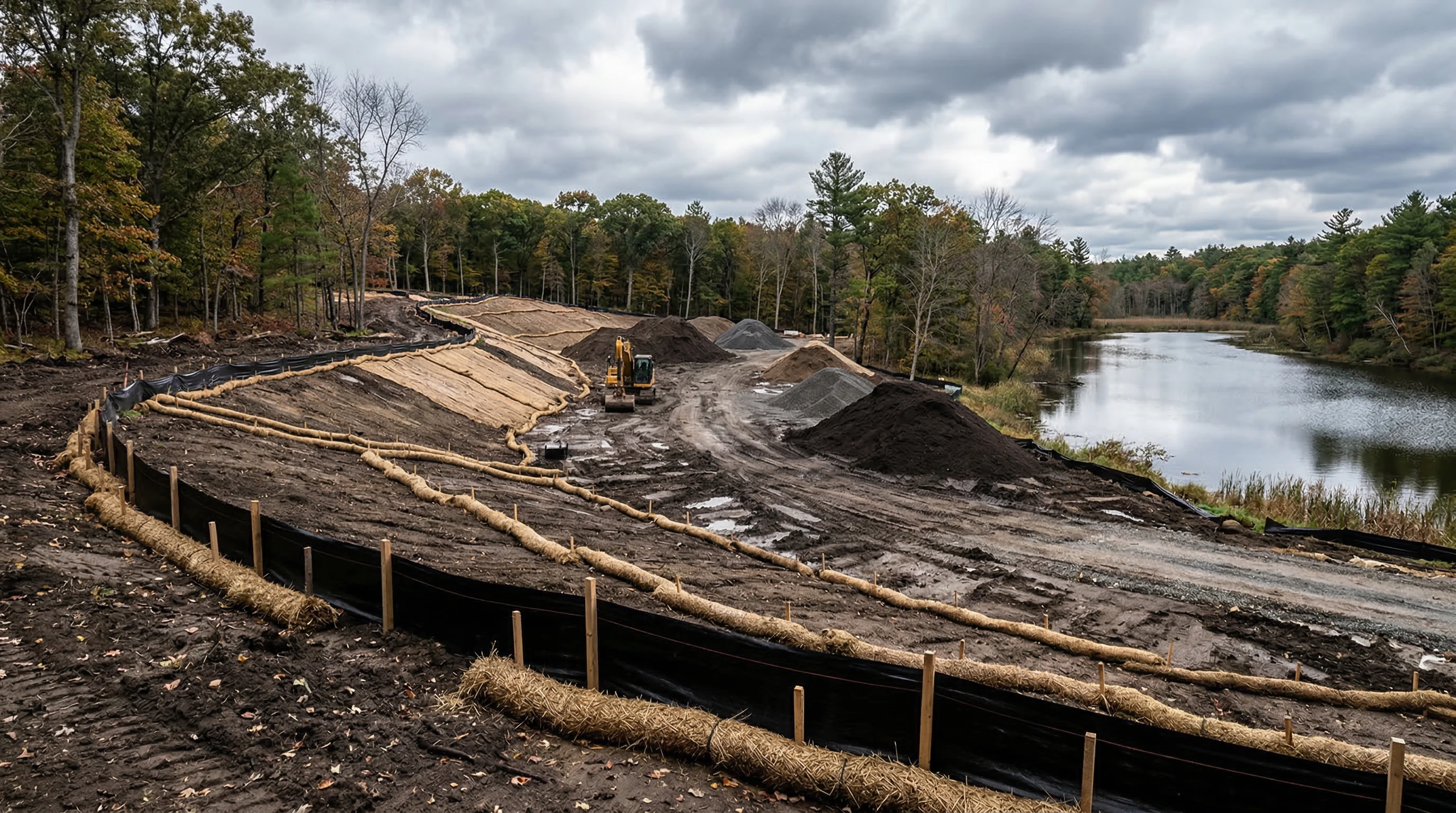
- Erosion Controls: Tools like silt fences, straw wattles, and planting ground covers are solid ways to keep soil in place during wind and rain.
- Water Management: Digging channels and making collection ponds blocks dirty water from heading offsite. I watch for fuel leaks from machines, and keep chemicals far away from drains.
- Dust and Air Quality: To battle dust, I spray dirt roads with water, keep materials covered, and enforce low speeds for trucks. Swapping in electric equipment or fitting emission controls also keeps air cleaner.
Sustainable Site Practices for People and Wildlife
Protecting the living things in and around the site is a top priority for me. Good site management doesn’t just protect wildlife and plants—it also builds community trust. Here’s my approach:
- Limit Disturbance: I mark boundaries and keep vehicles on specific tracks to avoid unnecessary damage and reduce soil compaction.
- Protect Existing Trees and Habitats: Temporary fencing around important trees or animal areas gives both nature and workers a clear buffer zone.
- Restoration: After construction, I replant grass, bushes, or native plants to restore the landscape. Using mats during the work protects tree roots and keeps the ground in better shape.
Common Challenges and How I Face Them
- Weather: Rain and wind can ramp up erosion and runoff. I always check the forecast and adjust my control methods when a storm is on the way.
- Project Timelines: Tight schedules sometimes push eco steps aside. I remind myself that taking shortcuts usually means more repair work—and extra costs—down the road.
- Budget Pressures: Green choices can cost more upfront. I make the case by pointing out they’ll save money long term through avoiding fines and cleanup bills.
Monitoring and Adjusting My Methods
I do walkarounds and frequent checks of the worksite. If I catch muddy water leaving the grounds, dust clouds building up, or neighbor complaints, I step in and correct things. Sometimes it means fixing a silt fence or moving fuel supplies anywhere safer. Keeping notes and photos helps when it’s time to show inspectors or clients that everything’s above board.
RealExample: A Small Housing Project
One project I ran involved a few homes built close to a protected wetland. We planned every detail so that stormwater wouldn’t drain into this sensitive area. Using silt fences, keeping machinery out of the wet zones, and putting native grass back in as soon as the sites were done meant the wetland stayed untouched and we dodged expensive regulatory headaches.
Technology and Smarter Construction
Technology has made it much easier to keep tabs on environmental impact. Here are some tools and trends I use or keep tabs on:
- GPS and GIS Mapping: These help plan work zones, map out sensitive areas, and let you track progress without harming key spots.
- Ecofriendly Machinery: Hybrid or electric equipment is quieter and pollutes less. As more gear like this hits the market, it gets easier to run jobs cleaner.
- Building Information Modeling (BIM): BIM software lets you see how your material choices, layouts, or site tweaks affect energy use, runoff, and waste—before you even start building.
Some projects are even starting to use drones or sensors to monitor site runoff and make adjustments fast, cutting down damage before it happens. Keeping up with new tech can mean better results for each job and smaller environmental footprints over time.
My Checklist for Reducing Environmental Damage on Any Construction Site
- Get a full site assessment and spot sensitive areas early on.
- Plan lowimpact access roads and storage spots for materials.
- Pick sustainable materials and local suppliers when possible.
- Have erosion, sediment, and dust controls set up before breaking ground.
- Train everyone on the crew about the eco practices and why they count.
- Check controls regularly and update them as site conditions change.
- Restore plant life and site features as soon as construction wraps up.
- Keep clear records (photos, notes, receipts) for proof during inspections or permit checks.
Frequently Asked Questions
Question: What are the most effective ways to control erosion during construction?
Answer: Silt fences, sediment basins, and planting fast-growing ground covers work well; plus, keeping earth disruption to smaller chunks at a time always helps.
Question: How can I cut construction waste?
Answer: Sorting waste on site, reusing materials, and recycling things like concrete, metals, and cardboard all keep materials out of landfills.
Question: Which ecofriendly materials should I put first?
Answer: I look for FSC certified wood, recycled bricks or aggregates, and paints or finishes low in VOCs. These choices mean less pollution and often a smaller carbon footprint overall.
Choosing Sustainable Construction Pays Off
Every construction job—no matter the size—can be less damaging when I plan, use better materials, and protect soil and wildlife. These steps help the neighborhood, the environment, and my business thrive. Choosing sustainable construction methods pays off with smoother projects, cost savings over time, and better relationships with clients and the public. I always keep these strategies in mind, and encourage others to do the same, because every small action adds up when it comes to protecting our environment during building projects.