
Living near the water can be both calming and visually stunning, but it brings real concerns when it comes to property protection. Coastal erosion, storm surges, and strong waves threaten shoreline homes and businesses every year. From my own experience working with property owners along lakes and waterfronts, I know that safeguarding these properties means taking proactive measures against wave impact. This guide covers what wave dissipation designs are, how they work, and what you need to consider when planning to protect your waterfront property.
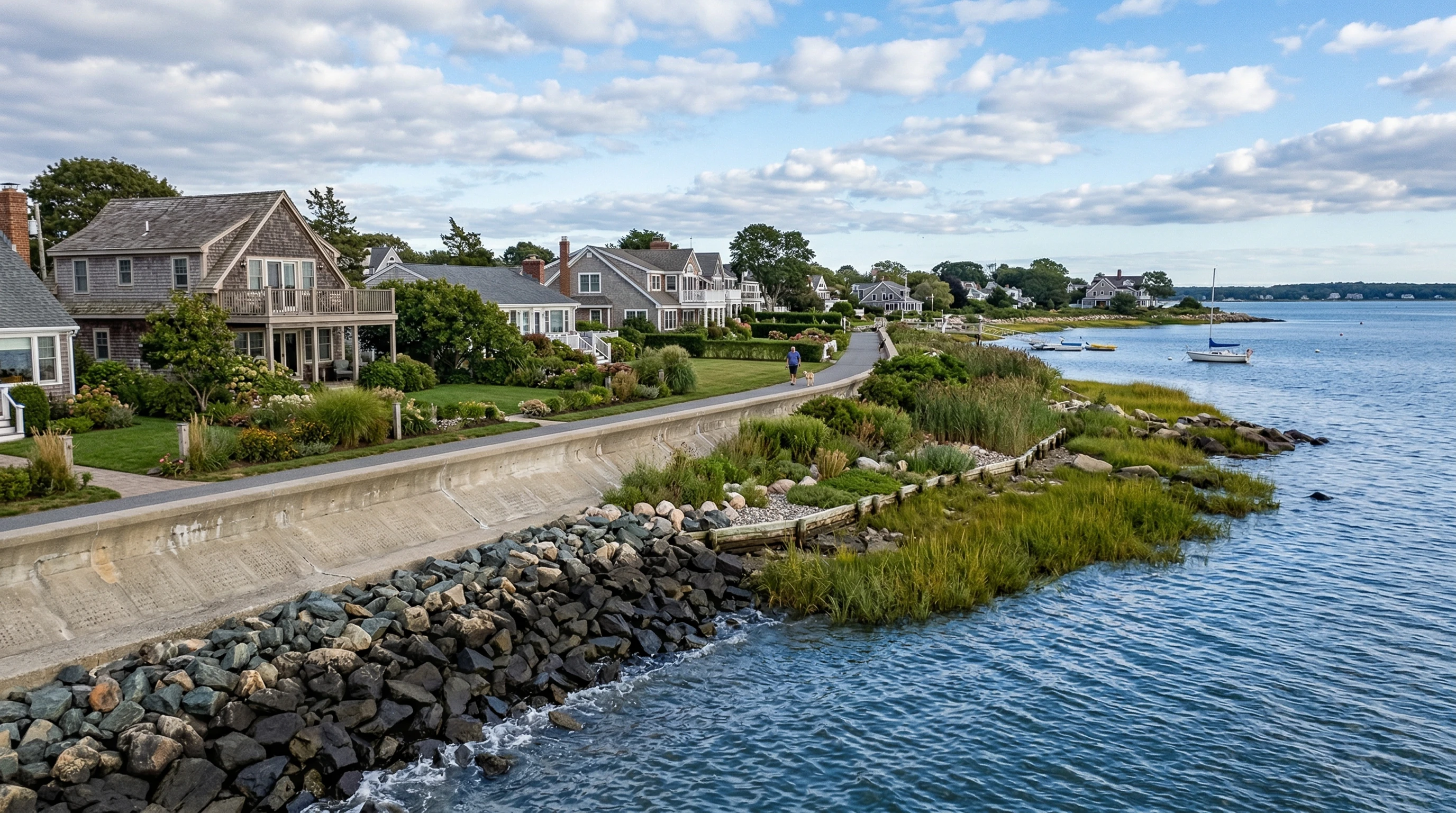
Wave Dissipation Designs Explained
Wave dissipation designs are features or structures built to lessen the energy of incoming waves before they hit your waterfront property. Waves can pack a lot of force, especially during storms or high tides. Without protection, this energy leads to erosion, flooding, and sometimes damage to buildings or landscaping. By using wave dissipation techniques, I reduce the impact of waves so that fewer issues land on my doorstep and help preserve property value.
Designs for dissipating waves are used in both residential and commercial settings. These could be engineered seawalls, riprap structures with large rocks, living shorelines using plants, or special barriers crafted specifically for breaking waves. Each option functions differently, but the idea boils down to this: break up and absorb the wave energy so less force reaches the shore. The United States Army Corps of Engineers offers all-in-one guidelines on coastal protection, highlighting how critical these systems have become for sustainable shoreline management (usace.army.mil).
Recently, there has been more focus on combining traditional engineered structures with nature-based solutions. For example, seawalls may be installed alongside plantings, or riprap may be strategically arranged to mix hard and soft protection, simultaneously reducing wave energy and boosting habitats. This blend offers both durability and visual appeal.
Types of Wave Dissipation Structures
Several types of structures help protect against wave damage. Choosing one depends on your shoreline, regulations, and personal preferences. Here are some popular options:
- Seawalls: Seawalls are vertical or near-vertical structures built parallel to the shoreline. I find them effective in areas where space is tight or where other options aren’t practical. However, poorly designed seawalls can sometimes send wave energy elsewhere, so professional design is very important.
- Breakwaters: Breakwaters are offshore barriers placed out in the water, either floating or secured to the seabed. Their main job is to intercept and absorb wave energy before it reaches land. I often see these used in marinas or busy harbors and sometimes near waterfront communities.
- Riprap: Riprap involves layering large rocks or concrete pieces along the shoreline. The irregular surface scatters wave energy, reducing impact. Riprap can blend well with natural settings if installed with care. Sizing and placement of rocks matter for best results.
- Revetments: Revetments are gently sloped structures, using rocks, concrete armor units, or even geotextiles. These create a buffer and absorb wave impact more gradually, helping to slow down water movement and add stability. I find this approach works well where gradual slopes are possible.
- Living Shorelines: A living shoreline uses vegetation, natural fiber logs, and sometimes small rock sills. By mixing plants and other materials, these shorelines absorb wave energy while also supporting water quality and wildlife habitat. I’ve noticed a growing preference for this approach in areas with conservation goals or softer aesthetics.
Steps to Get Started With Waterfront Protection
Protecting my property from waves takes more than just picking a structure and dropping it in place. Careful planning pays off, both in cost savings and effectiveness. Here’s how I usually start the process:
- Assess the Site: Understanding the unique conditions of your shoreline is key. I measure tide levels, look at storm history, and check on currents to get a thorough picture before making decisions. Checking for previous erosion or changes in shoreline shape also helps.
- Consult Local Regulations: Waterfront protection can be tightly regulated by local or state agencies. Getting the right permits and checking for environmental rules is the only way to dodge delays and extra expenses down the road.
- Choose the Right Design: Based on my site assessment, I match the structure type—seawall, riprap, breakwater, or living shoreline—to the specific needs of my property and budget.
- Work With Professionals: I always advise teaming up with coastal engineers or experienced contractors. Expertise matters for selecting the right materials, installing them properly, and mapping out plans for ongoing maintenance.
- Plan For Maintenance: Even the best designs need regular checkups. Inspecting after storms, replacing rocks or plants, and patching up worn sections keep protection strong year after year. Keeping a yearly checklist helps stay on top of this.
In some cases, joining efforts with neighbors or community groups can make it easier to invest in larger, shared solutions that handle greater stretches of shoreline. Group projects often get public funding support or technical assistance as well.
Key Considerations Before Investing
Installing wave dissipation structures involves more than thinking about budget and what looks best. From personal experience, these are the areas I focus on:
- Budget: Costs depend on the design, materials, shoreline length, and labor. While living shorelines are sometimes less expensive to put in, more engineered structures like seawalls have higher upfront costs. Ongoing maintenance is another important item for my budget.
- Environmental Impact: Some designs, like living shorelines, give a boost to habitat and water quality. Others, like concrete seawalls, can interfere with natural coastal processes if not carefully managed. Balancing protection with responsible stewardship is important for long-term value.
- Longevity and Durability: The structure needs to handle both everyday conditions and the worst storms. From my own repairs and upgrades, I’ve learned that spending a little more on quality materials helps avoid a lot of hassle later on.
- Community and Neighbor Impacts: Shoreline protection can affect neighboring properties by shifting erosion or changing wave action. Discussing plans with neighbors and local authorities helps dodge conflicts and surprises, and sometimes leads to group projects or cost-sharing opportunities.
Seawall Longevity
My experience shows concrete and steel seawalls tend to last the longest, often 30 to 50 years or more with regular inspections and care. Wooden versions look great in more natural settings, but they may need replacing sooner due to rot or marine pests. Modern coatings and treatments can extend the life of all materials, so it pays to ask professionals about upgrades.
Benefits of Natural Approaches
Living shorelines are designed to adapt over time. Plants grow deeper roots, adding stability and naturally filtering runoff. These methods also offer a softer look, appealing to waterfront property owners looking for both a solid barrier and a natural view. Wildlife such as fish, birds, and invertebrates benefit from the improved habitat, making the property more enjoyable for years to come.
Permitting and Regulatory Challenges
Most areas require a permit before starting any shoreline work. Requirements could include environmental impact studies, proof of property lines, and sometimes engineering drawings. Stepping through this paperwork takes patience, but it ensures your project stands up to flood, wildlife, and land use regulations. More information can often be tracked down at your state’s Department of Environmental Protection or similar agency. I also recommend talking to a local conservation group—they sometimes provide insights or advocacy that can speed up the process and ensure best practices.
Advanced Tips and Optimizations
Once a basic structure is in place, there are extra ways to give a boost to protection and property value over time:
Mixing Methods: Some shorelines benefit from combining approaches. Adding riprap to the base of a seawall or including native grasses in a revetment adds both function and resilience. Mixing strategies also helps tailor your defenses to changing water levels and more extreme weather.
Incorporating Drainage: Good drainage systems behind barriers prevent water buildup, which can cause pressure and potential failure. I always double-check that drains are clear and sloped properly during installation and maintenance. In areas with heavy rainfall, adding French drains or weep holes can add another layer of protection.
Routine Inspections: After major storms, I look over my structures for any movement or damage. Fixing issues quickly helps avoid larger problems, like undermined seawalls or scattered riprap. Photographing the shoreline over time makes it easier to spot changes or problem spots.
Considering Sea Level Rise: Waterfront protection strategies need to plan for higher average water levels in the coming decades. I’ve begun talking to professionals about structures that can be upgraded as conditions change, and about using flexible designs that can be raised or reinforced over time.
Practical Applications of Wave Dissipation
Wave dissipation isn’t only for luxury homes or busy marinas. I’ve worked on everyday lakefront cottages, community parks, and even small business waterfronts. For example, mixing riprap and plantings helped a neighbor slow down erosion, save their fishing dock, and enjoy more birdlife along their stretch of shore.
- Residential Shorelines: Keeping family property, landscaping, and play areas safe with long-lasting structures. Homeowners may also qualify for insurance savings with documented protection in place.
- Business Properties: Protecting docks, rental cabins, or waterfront cafes from flooding and the costs that go with it. Eye-catching landscaping and well-placed barriers can even attract customers.
- Community Parks: Using living shorelines so everyone can safely enjoy public beaches, support sustainability, and guard picnic spots from erosion. Some parks use creative design to add educational signage or viewing platforms atop protective features.
Frequently Asked Questions
Question: How do I pick the right wave dissipation design for my property?
Answer: I start by checking local regulations, then study my shoreline, tides, and what kind of protection I need. A site visit with a coastal engineer often helps decide between solutions. Don’t forget to ask about future-proofing for climate change.
Question: Will installing a seawall or riprap affect marine life?
Answer: Some hard structures can change habitat for fish or birds, but alternatives like living shorelines improve conditions for wildlife. Finding a balance between design and ecology is possible with the right planning and local expert guidance.
Question: Are wave dissipation structures permanent?
Answer: Many last a long time, but every structure needs some maintenance. Materials, installation quality, and wave energy levels all affect how often repairs will be needed. Routine inspection catches issues before they get serious.
Final Thoughts
Protection against waves isn’t just about following a template. It means understanding your shoreline, knowing your options, and teaming up with experienced professionals. The right wave dissipation design keeps your property safer, adds value, and can even support a healthier waterway. I check local guidelines, research solutions, and talk with experts to keep my waterfront property secure year after year. Planning ahead, staying on top of regulations, and making improvements as needed give me peace of mind and ensure my shoreline adventure stays beautiful and resilient.