
Securing your boat at the dock is one of the most important steps to protect your investment and keep those stress-filled nightmares about floating away at bay. Whether you’re docking up for a quick lunch or leaving your boat overnight, having the right tools and accessories on hand makes the whole process smoother and safer. I’ve spent more than a few weekends fussing with lines and hardware, and I’ve learned which gear is worth keeping on board for hassle-free docking. Here’s my all-in-one guide on what to use to get your boat settled at the dock, whether you’re a seasoned boater or just starting out.
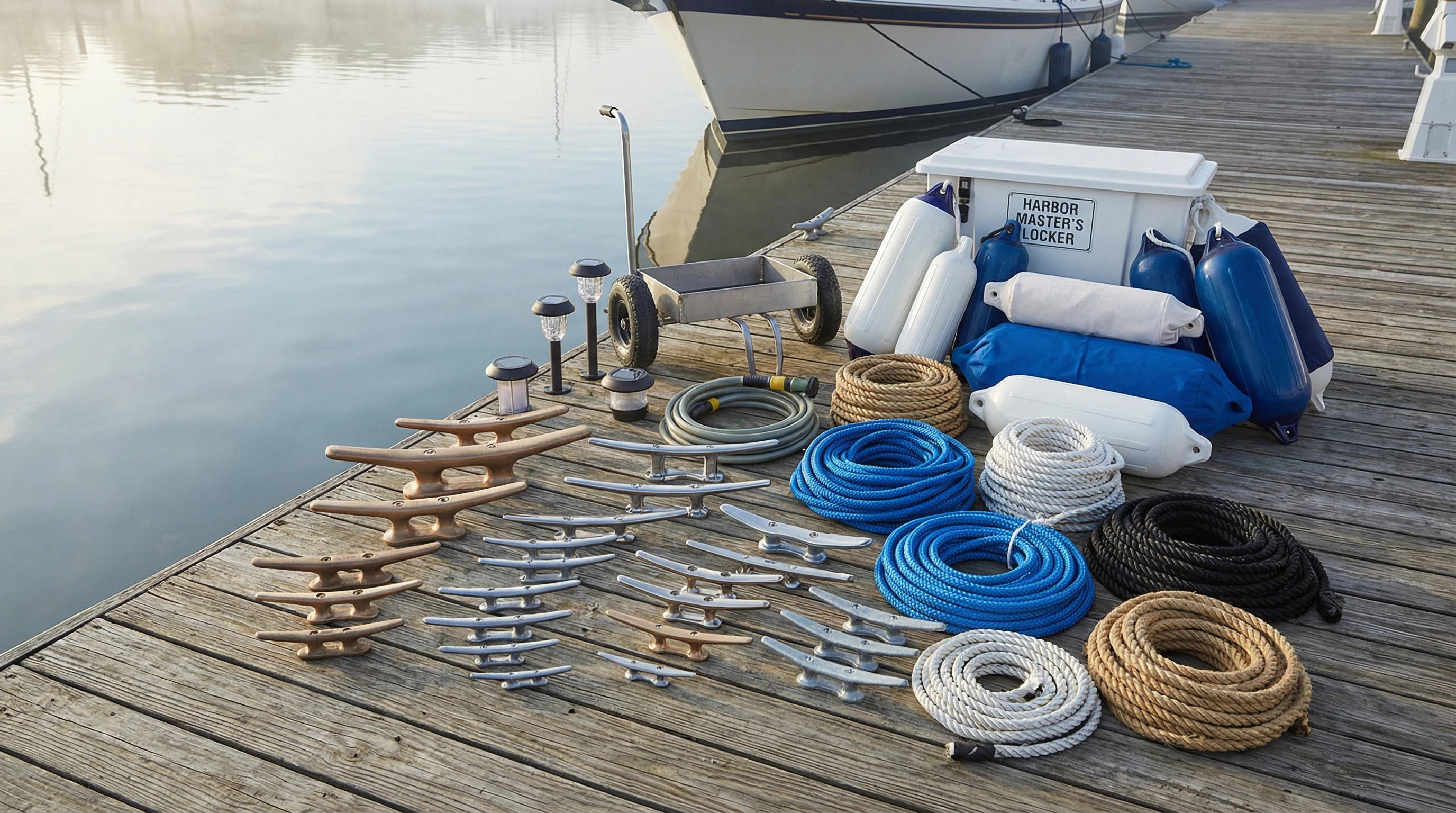
Dock Lines and Ropes: Your Number One Tool
Good dock lines are at the core of safe docking. These ropes do the heavy lifting when it comes to keeping your boat exactly where you left it. There are a few things I always look for in a reliable dock line:
- Material quality: I recommend double braided nylon for most cases. It holds up against sun, salt, and stretching.
- Correct length and thickness: Go for lines roughly 2/3 the length of your boat (for bow and stern) and the same length as your boat (for spring lines).
- Spliced eyes: Pre-tied loops at the end save major time and frustration when tying to cleats.
It pays to have extra lines on board in case you need to double up during storms or secure to a different style of dock. Swapping out worn or faded lines is a good habit, seen as sun and salt water will chew through anything over time. For newer boaters, learning a few go-to knots—like the cleat hitch or bowline—can really make the job quick and secure.
Fenders: Preventing Scuffs and Dings
Fenders are basically soft bumpers for your boat, hanging between the hull and the dock or other boats. These pads save on expensive fiberglass repairs by absorbing the impact. A few tips from my experience:
- Size matters: Bigger boats need larger or more fenders. Pick fenders with the right diameter for your vessel’s weight and length.
- Placement counts: Hang fenders before you enter a slip and move them according to the dock’s layout (side tie, bow in, etc.).
- Proper mounting: Invest in good fender lines or adjustable fender hangers. These gadgets keep fenders at the perfect height and secure, so they don’t drift out of place.
Fender quality has a direct impact on hull protection. While cylindrical styles are the standard, I sometimes use flat or specialty corner fenders for tight spots or odd shaped docks. Keeping a couple of spare smaller fenders on board can help in unfamiliar marinas or when docking next to rough pilings.
Cleats, Chocks, and Hardware to Match Your Setup
The hardware mounted on your boat and dock determines how effectively you can tie off and adjust your lines. Here’s a quick rundown on what I find really useful:
- Dock cleats: Sturdy and spaced out along the dock. Aluminum or stainless steel versions last longer.
- Boat cleats: Make sure your own cleats are robust and well fastened. Add extra if needed for multiple line options.
- Chocks and fairleads: Help guide lines around the deck or through gunwales, protecting both the rope and your boat’s finish.
A quick check before every docking session is worth the time. If any hardware is loose or rusty, replace it sooner rather than later. Overlooked cleats or chafed lines are a common reason for dock mishaps during rough weather. I also recommend keeping a basic tool kit on hand for emergency fixes, which can help you avoid a small issue turning into a major headache.
Shock Absorbers and Snubbers: Adding Extra Flex
Marinas and dock areas aren’t always protected from wakes, wind, and rolling waves. That’s why I started using dock line shock absorbers (also called snubbers). These devices slightly stretch or flex when the boat moves, softening sudden jolts that can snap lines or jostle your boat.
- Material: Heavy duty rubber or stainless steel springs hold up best to saltwater environments.
- Simple to use: Most require just looping your dock line through the snubber before tying up, and they work with the ropes you already have.
- Where they help most: High traffic or unprotected docks where waves and wakes are a regular thing.
If you dock in a calm, protected spot, you might skip these, but for busier areas or overnight stays, having a couple on hand gives real peace of mind. Snubbers are especially great for overnight stays during windy weather, so your lines last and your boat doesn’t suffer unnecessary movement.
Chafe Guards: Saving Your Lines from Wear
Chafed dock lines wear out fast, which isn’t just annoying—it can be expensive and unsafe. This is especially true for boats that move around with tide and current shifts. I use chafe guards wherever lines run over sharp edges, rub against cleats, or pass through fairleads.
- Easy to install: Velcroon guards, heavy canvas sleeves, or even sections of old firehose get the job done.
- Check high wear spots: Inspect your lines every week, especially if you’re docked somewhere with lots of movement or strong currents.
Replacing a worn chafe guard is a lot cheaper than losing a whole line or having your boat drift off in the middle of the night. Taking care of these small details will make your lines last much longer and ensure you don’t get caught off guard by a sudden snap overnight.
Anchor and Backup Mooring Devices
There are situations when the dock space isn’t the most secure. If I’m not totally confident in the dock’s hardware or if strong winds are expected, I keep a simple anchor ready to deploy as added backup.
- Lightweight anchors: Quick to set and retrieve for temporary backups, especially with smaller runabouts or pontoon boats.
- Stern anchors: Provide extra stability if you’re and want to avoid swinging into another boat or the dock.
I’ve used this backup plan a few times when rough weather hit while I was docked in exposed spots. It can really help keep your boat steady when conditions turn. Even during less severe weather, a backup anchor can help you avoid rubbing against another vessel or the dock itself.
Power Cords and Shore Power Accessories
Keeping your boat powered while docked is pretty handy for longer stays. Having highquality shore power cords and weatherproof connectors keeps things running safely.
- Heavy duty shore cords: Rated for marine use, with locking connectors if possible.
- Cord organizers: Simple reels or holders prevent tangles on the dock and reduce tripping risks.
Check electrical gear for signs of corrosion, especially if your slip is near saltwater. I use dielectric grease on connectors to help keep rust away. Invest in brightly colored cables or cable covers as well, making it easy for you and others to spot them and prevent accidents at the dock.
Extra Docking Accessories Worth Checking Out
Boaters have come up with some clever products to make docking easier and safer. A few extra items I like to have handy:
- Boat hooks: Super useful for reaching out to grab a line or snag a cleat if you miss your mark.
- Dock steps or ladders: These make it much easier to get back on board, especially at low tide or on floating docks.
- Quick release line clips: Handy for singlehanded docking or tricky angles where tying off quickly is important.
- LED dock lights: These can make docking after dark much safer and give your setup next level cool factor.
Having a variety of gadgets on hand means you can adapt to unexpected situations, like a missing cleat or an unfamiliar dock layout.
Common Questions Boaters Have About Docking Tools
There’s a lot of debate on social media and at the docks about the “best” gear for securing boats. Here are a few questions I get asked pretty often:
How many dock lines should I carry?
Having at least four lines works for most setups: two for bow and stern, plus two spring lines. Extra lines are useful during storms or when you’re rafting up. For larger boats, carrying two or three additional lines is ideal for backup and cross tie situations.
What’s the difference between Three Strand and braided dock lines?
Three strand lines are a bit stretchier, which is good for absorbing shock. Braided lines feel smoother and are often less prone to twisting or tangling.
How do I know if I’m using enough fenders?
As a rule, use one fender for every 10 feet of boat length, rounding up. It’s better to have too many than not enough, especially if neighboring boats aren’t as careful as you. Bringing along a spare or two also helps when docking in unfamiliar slips.
Docking Tips: Real World Scenarios
Practice and preparation do most of the heavy lifting when docking. Here’s what’s helped me avoid headaches:
- Presetup: Get your lines and fenders ready before approaching the dock. This reduces stress and lets you make adjustments on the fly.
- Approach slowly: Use gentle bursts of throttle and steer into the wind or current if possible. Control beats speed every time.
- Double up before storms: Always add extra lines and check all hardware if strong winds are forecasted. If in doubt, it’s better to over secure.
- Assign clear roles: If you have a crew or friends on board, let them know who’s handling which line or fender. Good teamwork speeds up docking and prevents mistakes.
Asking for help or accepting it from dock staff isn’t a bad look, it just gets your boat secured quicker and with less drama. If you boat solo, practice tying lines fast and develop a routine so you stay calm even in tight spots.
Boat Security: Locking Down When You’re Away
Aside from wind and waves, theft at marinas sometimes crops up, so securing entry points is important too. I carry:
- Hatch locks or hasps: Basic locks give peace of mind, even in low crime areas.
- Trailer tongue locks: If you’re on a trailer, secure the hitch before heading home.
- Outboard and fuel tank locks: These help stop would be thieves from grabbing expensive parts or draining your tank.
- Security alarms or cameras: A small, battery operated alarm or motion camera can act as a deterrent and let you know if someone is tampering with your boat.
It’s worth taking five extra minutes before heading out. Losing gear or a whole boat to theft is a bad way to end a weekend. Always double check hatches and valuables before leaving the dock—you’ll appreciate that peace of mind on the ride home.
Wrapping Up
Bringing together dock lines, fenders, secure hardware, and a few smart accessories means you’ll spend less time worrying at the dock and more time enjoying your boat. Most products mentioned here are sold at local marinas or boat supply shops, often with advice right from the folks behind the counter. My best tip is to inspect your gear every trip, replace anything that looks worn, and don’t skimp on quality. Safe docking really comes down to the details, and the right tools make it all a lot easier. Don’t forget, sharing tips with fellow boaters can also lead you to stumble upon new gear or better ways to dock.
Happy boating, and here’s to always finding your boat right where you left it!