
Wood seawalls aren’t just practical for protecting waterfront property. They also make a big difference in the first impression your home or business gives off. If you’re after a solution that boosts curb appeal while keeping costs reasonable, wood seawalls definitely deserve a closer look. I’ll walk you through what makes them effective, how you can maximize their visual impact, and what to think about if you’re considering this upgrade.
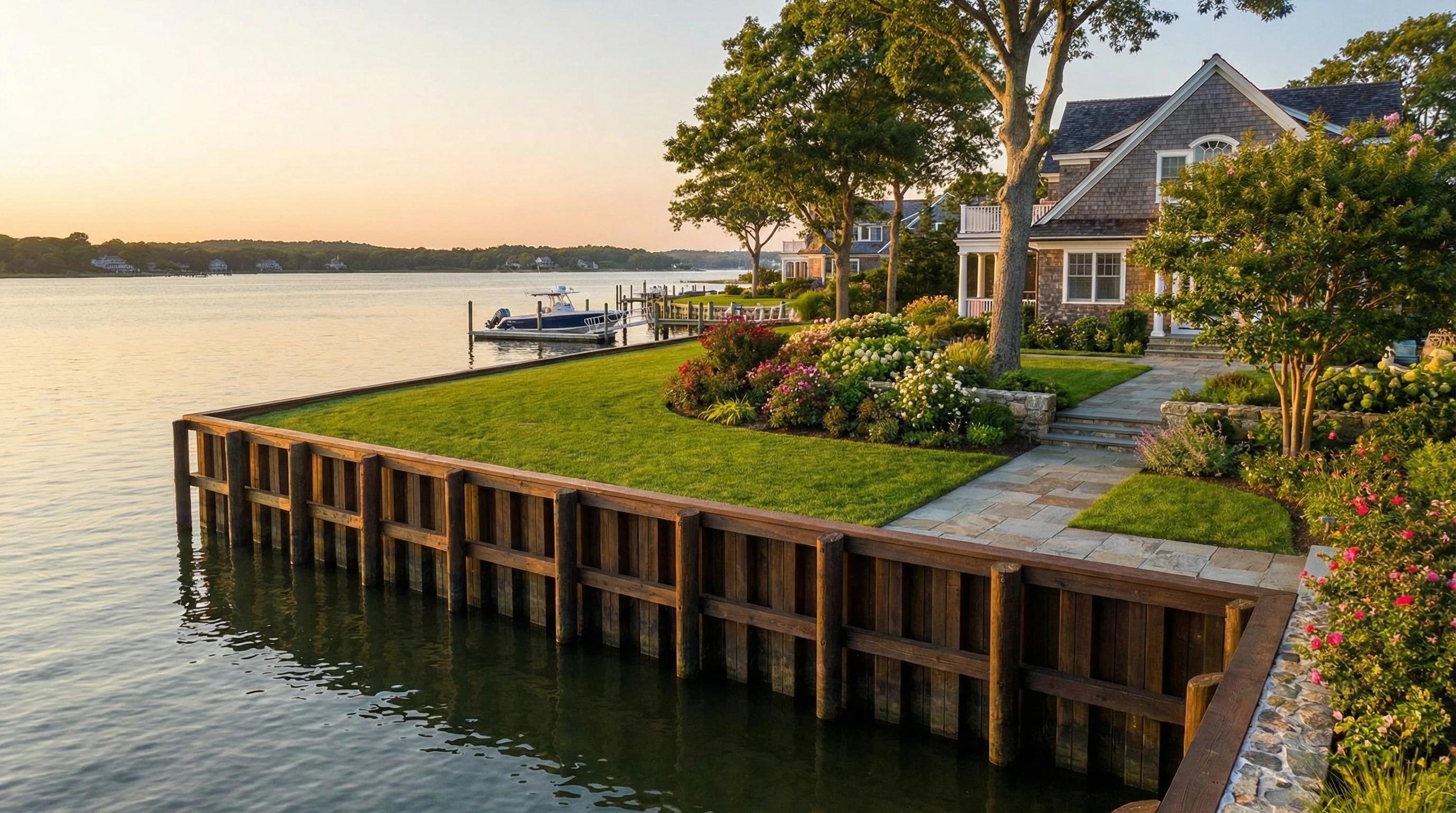
Affordable Shoreline Protection With Wood Seawalls
Having a property by the water definitely comes with perks, but shoreline erosion and flooding are headaches I’ve seen too many people face. Installing a seawall is one of the best ways to secure your land, and prices for some materials like steel or concrete can put a serious dent in your budget. Wood seawalls stand out as a friendly alternative when you want good looks, performance, and cost savings all in one.
Wood has a long history in marine construction. Plenty of older lakefront and riverside communities still use wooden bulkheads that have been in place for decades. Modern wood treatments and building methods have made these seawalls way more durable, so you no longer have to worry quite so much about rot or insects that used to hurt these walls years ago. I prefer wood for its natural look and warmer feel compared to the hard lines of concrete or metal. Not only that, but the wood seems to make the surrounding landscape more inviting and comfortable, helping your property feel like a true retreat.
Think about the overall vibe: wood seawalls fit seamlessly into both rustic and modern landscaping, and with the right plan, they stand the test of time. By choosing quality materials and making smart style choices, you not only protect your shoreline but also create an environment that makes visitors and passersby take notice. In many waterfront neighborhoods, the properties with the best-looking wood seawalls are the ones that people point out as examples of excellent maintenance and design. Wood instantly draws the eye, especially when surrounded by green grass, blooming flowers, or even a carefully tended pathway down to the water’s edge.
What You Can Expect From Wood Seawalls
A wood seawall is basically a retaining wall built from treated lumber that can handle constant exposure to water. It holds soil in place, breaks the force of waves, and keeps your shoreline intact during storms. With the right wood type and construction quality, these structures protect your land for years—especially if you give them occasional checkups.
Here are a few ways a wood seawall helps:
- Stops erosion: By holding your soil in place, you keep your yard or landscaping from washing away during rain or big wake activity.
- Reduces flooding risk: In areas where water levels rise, a solid wall acts as a barrier to unwanted water on your property.
- Makes areas safer: Edging your shoreline sharply with a wall makes it easier to add a dock, steps, or launch points for kayaks and boats.
- Improves resale: Neat and well-maintained wooden seawalls can add value since buyers like knowing the shoreline is protected and attractive.
Another thing to keep in mind is the flexibility in design. Since wood is easy to cut and shape, you can really customize your wall to fit specific features like boat slips, garden beds, or patios. Some property owners even add decorative caps or latticework on top for a more personal touch.
How Wood Seawalls Boost Curb Appeal
Wood seawalls offer a much warmer, natural look compared to gray or industrial looking alternatives. They blend nicely with lawns, gardens, or wooded settings. If your goal is to make your property look inviting and kept up without creating an eyesore, wood is a smart pick.
There’s also a lot of flexibility. You can choose from a horizontal or vertical plank style, stain the wood in different colors, or even plant greenery on top. In my experience, pairing a wood wall with stone borders, dock lighting, or deck accents ties everything together. The end result is a shoreline that draws the eye while looking like a natural extension of your landscape.
You might consider adding subtle lighting along the top of the seawall or installing walkways that connect directly to the wall. These kinds of enhancements turn an ordinary seawall into a centerpiece—and they make entertaining by the water much easier. If you’re planning to sell anytime soon, realtors often mention well-designed seawalls in listings, since buyers pay attention to both protection and appearance.
Key Factors That Affect Cost
The big draw for most people is the price point. Wood seawalls are almost always less expensive to put in than concrete or steel. Still, there are a few things that can nudge the total cost up or down:
- Wall height and length: The bigger the wall and the longer the stretch of shoreline, the more materials and time you’ll need.
- Wood type: Pressure treated pine is usually cheapest, but cypress and tropical woods like ipe or greenheart last longer in marine settings and might cost more upfront.
- Soil and water conditions: If your shoreline is super steep or has tricky soil, you might need extra reinforcement such as tiebacks or a thicker wood profile.
- Labor costs: Hiring a pro guarantees a lasting installation, but you’ll spend a bit more on labor than if you’re able to do some prep work or finishing touches yourself.
- Accessories and design extras: Decorative post caps, extra-wide boards, and special stains or finishes can add style and longevity but may come with added costs.
If you take the time to shop around for materials and labor, you can often lock in lower costs, especially during off-peak construction months. Some owners choose to handle demolition or cleanup themselves, reducing the scope of professional work and saving even more. Overall, flexibility with wood gives you more control over both style and size-related costs than most other seawall materials.
Wood Seawall Basics: Construction and Maintenance
A properly engineered wood seawall holds up well for years, but a few best practices make a serious difference in performance and appearance:
- Use the right lumber: Only work with lumber specifically pressure treated for ground and freshwater or saltwater use. Standard fencing or decking boards will not cut it.
- Install proper drainage: A wall needs weep holes or drainage pipes so water does not build up behind it, which can lead to bowing or overturning.
- Anchor deeply: Support posts should go several feet into the ground—at least below the frost line—so that the entire wall stays solid during bad weather or high water.
- Finish with care: Carefully sealing ends and exposed surfaces helps keep out moisture and UV rays, extending the wall’s life. Regularly staining the wood every few years gives extra protection and keeps the color bright.
Maintenance for wood seawalls mostly means regular visual inspections. You’ll want to:
- Check for rot, cracks, or termite damage.
- Look at fasteners and ties for rust or corrosion.
- Seal or stain wood every couple of years to lock out moisture and UV damage.
- Remove debris: Clear away any driftwood or plant material that builds up behind or in front of the wall after storms or high water. Keeping surfaces clean cuts down on mold and extends the life of the wood.
Staying on top of these tasks not only makes your investment last longer, but it also keeps the wall looking fresh and attractive, which matters if you want that extra curb appeal.
Things to Consider Before Installing a Wood Seawall
As with any home project, a little planning early on makes everything smoother and can spare you headaches later on. Here’s what I’ve learned from years of living by the water and helping friends with their seawalls:
- Permits: Many regions require permits for shoreline work. Be sure to check with your local government or township office before starting construction so you don’t run into problems later.
- Neighbor impact: Sometimes, the way you place your wall can affect neighboring properties by pushing erosion onto their shoreline. It’s best to chat with neighbors or consult an engineer so the solution works for everyone.
- Choosing a builder: Look for contractors with experience in marine projects. Ask for photos of their recent work or visit properties where they’ve installed wood seawalls.
- Environmental concerns: Treated wood is generally safe, but picking the right product for your area’s water conditions helps lessen impact on local habitats. Working with local suppliers can sometimes help you track down eco-safe, locally sourced options.
Comparing Wood to Other Seawall Materials
Wood may not last quite as long as high-end steel or sheet pile concrete, but the savings in upfront cost can be substantial. In some cases, a wood wall will eventually need repairing or even replacing after a couple of decades, but you’ll pay about half as much at installation, and you get a style that looks great right away.
Composite materials are another newer option, but costs tend to be a little higher than basic wood, and the look is often less “classic.” If cost effectiveness and curb appeal matter most, wood is usually the top pick—especially for lakes, ponds, and quiet riverbanks where pounding waves aren’t as common or severe. In these settings, the look and price are hard to beat.
Frequently Asked Questions
If you’re weighing the pros and cons, these are some common questions I get from friends and neighbors about wood seawalls:
Question: How long do wood seawalls actually last?
Answer: With modern pressure treatments and proper upkeep, you’ll usually get 15-30 years out of a wood seawall. In low-traffic, freshwater spots, I’ve seen them last even longer with regular maintenance.
Question: Are wood seawalls environmentally friendly?
Answer: Pressure treated wood is much safer than it used to be, and many products are approved for use in sensitive areas. If you’re worried about the environment, ask your builder about the most up-to-date, eco-safe products for your shoreline.
Question: Can I build or repair a wood seawall myself?
Answer: Smaller projects are definitely DIY friendly, especially if you have a bit of carpentry experience. For long or wave-exposed shorelines, though, a contractor’s help is valuable. Professional installation really increases lifespan in tough conditions.
Question: What maintenance is required?
Answer: Big issues to watch for: cracking, splitting, shifting planks, or loose fasteners. I recommend a yearly walk along the wall and quick touch-ups as needed every couple of years.
Worth Knowing Before You Get Started
Choosing a wood seawall is a practical investment in the look and protection of your property. You don’t have to spend a fortune to improve your waterfront and secure your land against erosion. The natural appearance, relatively simple repair process, and lower upfront cost make these seawalls worth considering for many homeowners and small businesses.
Before starting work, get clear on local rules, talk with pros if you’re unsure about installation, and schedule maintenance check-ins so your seawall keeps looking sharp for years. A beautiful, sturdy wood seawall does more than hold back water. It gives your property a boost in style and peace of mind. When maintained right, it highlights your shoreline’s charm, making your entire property feel more inviting while still tough enough to withstand what nature throws at it.